
Photos taken by Sam Lam (Maryland Institute College of Art), Student Correspondent for CET Japan, Spring 2026
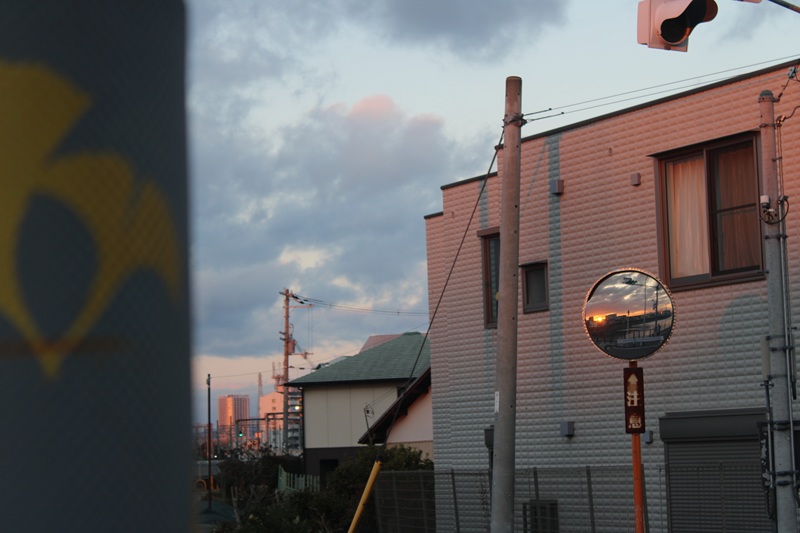
Ginkgo Leaves and Sunset Glimmers
Whilst on a convenience store run in my neighborhood, I stopped by the river and took a moment to take in the view and reflect on the time I’ve been in Japan so far. The ginkgo leaves depicted can be found on pedestrian crossing signals; ginkgo trees are strong, pollution-tolerant, and long-lived—some even survived the atomic bombing of Hiroshima—so they symbolize endurance and recovery. The ginkgo leaf is also the symbol of the Tokyo Metropolitan Government, which is where the motif comes from, while in Osaka it’s a plum motif that can sometimes be seen on official materials.
OsakaJo (Osaka Castle)
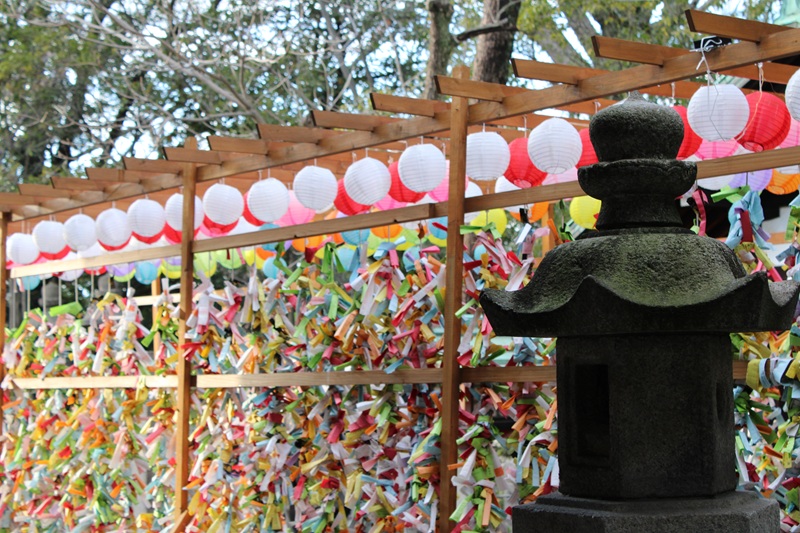
Visiting Hokoku Shrine by Osaka Castle, my group and I got to see the Omikuji tying rack. When receiving an unlucky fortune, tie the fortune here and “leave” your bad fortune at the shrine. The sunset was approaching and we got to bask in the light at the top of Osaka Castle while wishing for academic success.
Old Osaka Tour
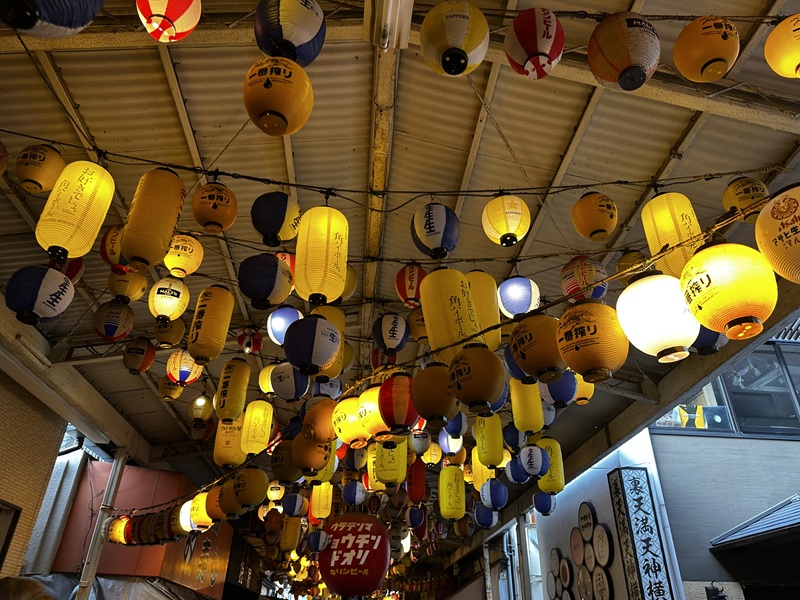
During CET’s program trips to Old Osaka, we got to explore Tenjimbashi-suji 6-chome where rich history and the Osaka Museum of Housing and Living resides. Locals frequent the various cheap and “imperfect” produce shops while enjoying the bright nature that can be found in surrounding shops, decorations, and people. During our visit at the Museum of Housing and Living, we delved deeper into the history of “Naniwa” which is Osaka’s previous name from the Nara-era.
Upstanding Work Ethic
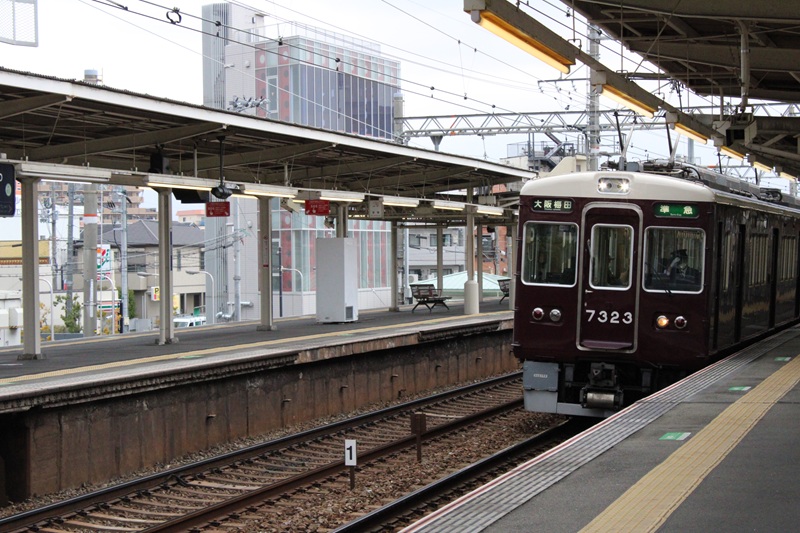
Utilizing the train system everyday, I got to see the upstanding work ethic of the train conductors and their respect to the train’s customers. By chance I snapped the untenshi(driver) saluting to me and learned more about the staff who work in tandem with each other to keep the trains speedy and on time.
While the untenshi operates the train’s movements, utilizing shisa kanko (pointing-and-calling), the shachō (conductor) works in the furthest cart in the back, ensuring passenger safety also using shisa kanko, controls the train’s doors, and is responsible for the operational announcements and/or special information. Upon further understanding their responsibilities, my appreciation for their work ethic and concentration increased tenfold, now I always observe them in admiration.
Yatta! FujiSan!! (At Last Mount Fuji!)
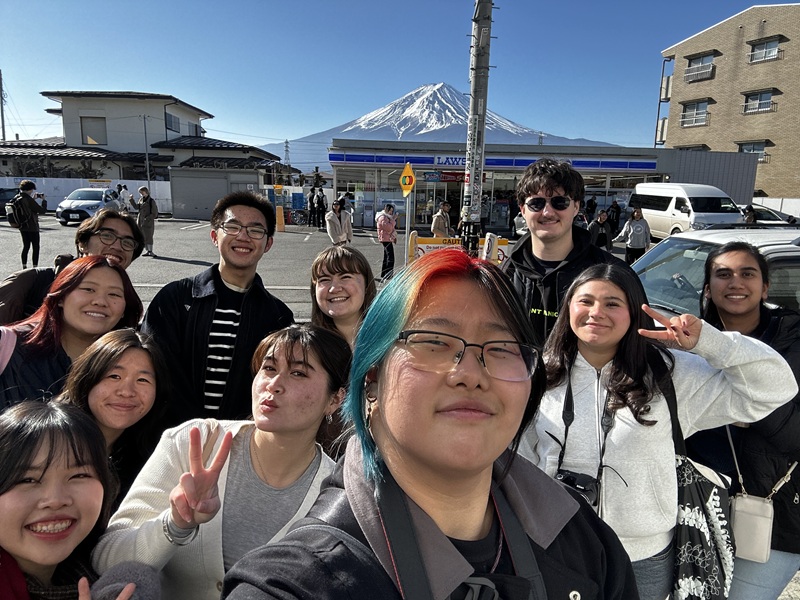
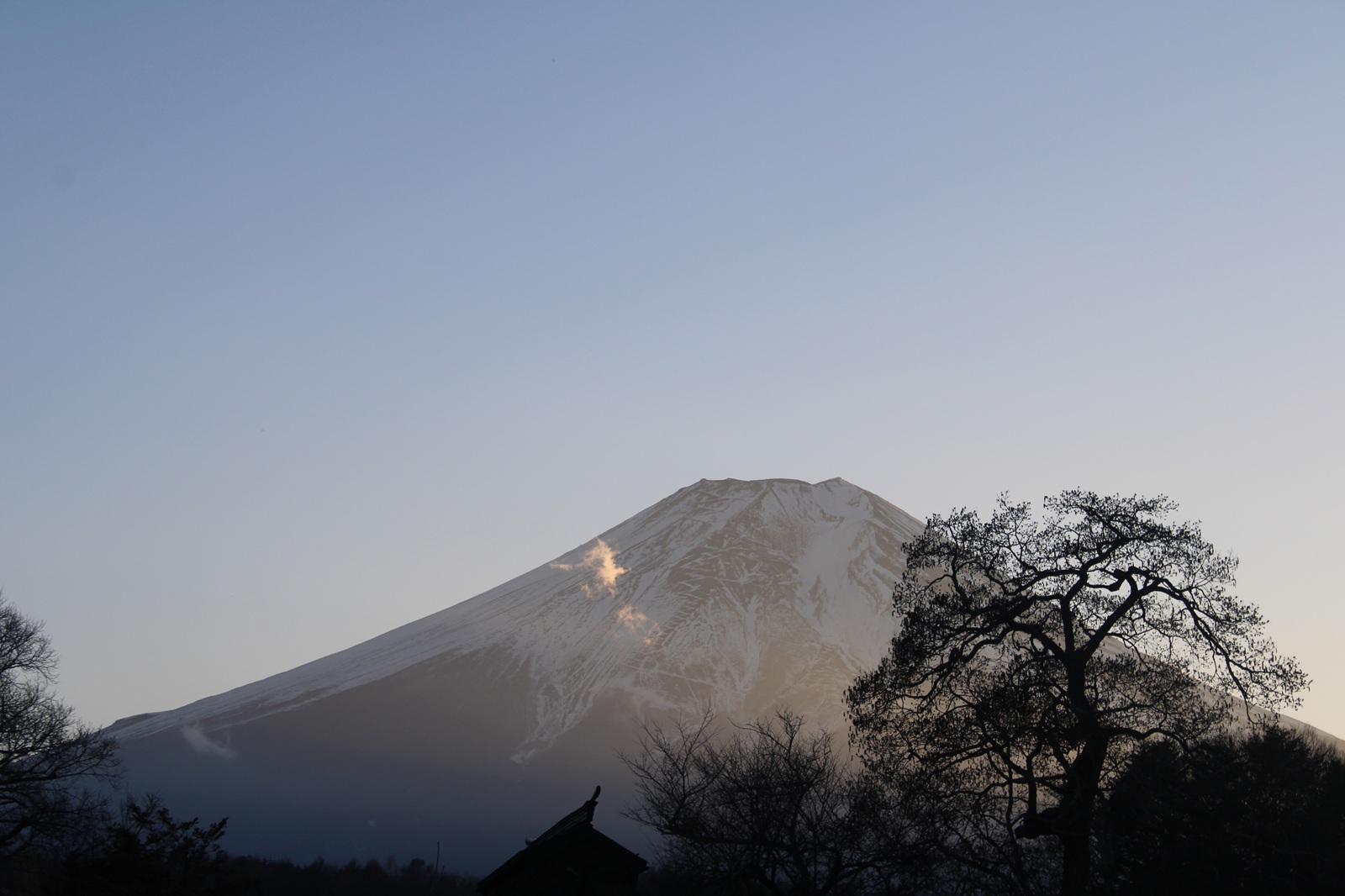
Half of the CET students visited Mount Fuji together! We were in Kawaguchiko, Yamanashi prefecture checking out the Mt.Fuji Panoramic Ropeway, Chureito Pagoda, and Oshino Hakkai, a cozy village famous for their eight springs of aquifer water and a Natural monument of Japan, while being part of the Mount Fuji World Heritage Site. We lucked out on our trip and had super clear skies, which is usually rare to see Fuji-san in its full glory!
Kagawa Day Trip
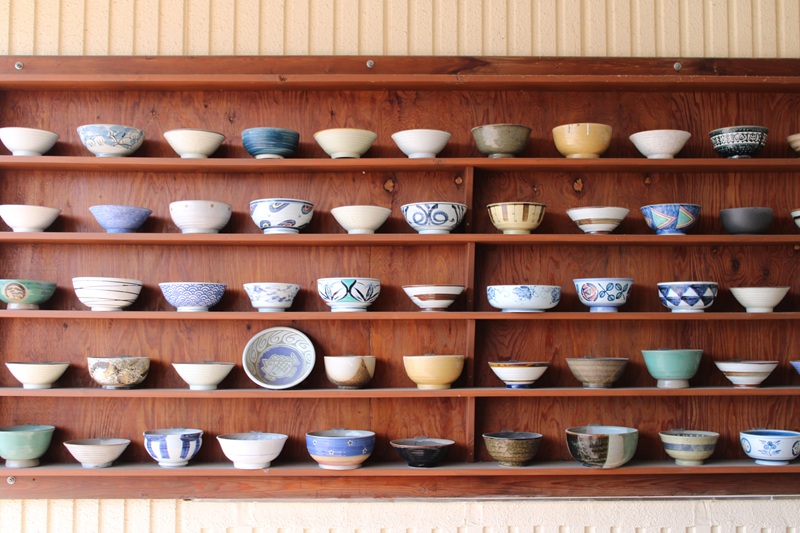
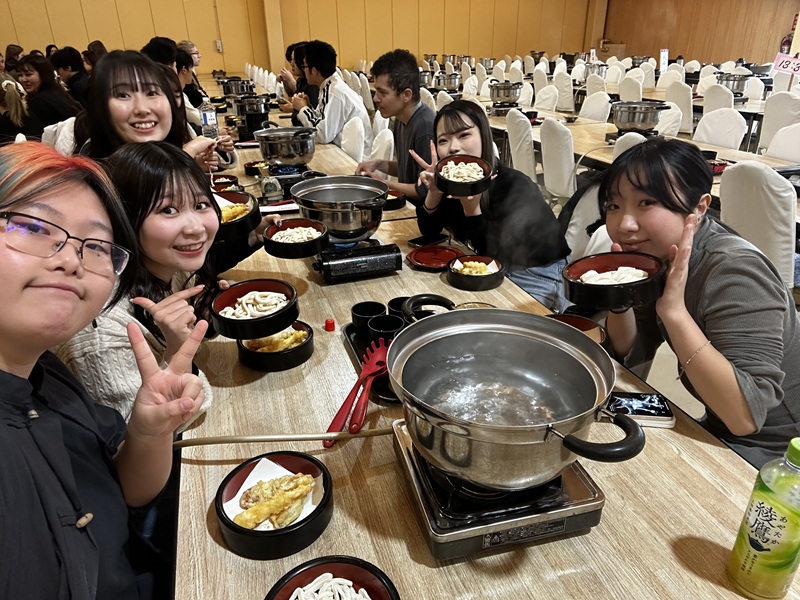
As a program, we went to Kagawa to make udon at a specialty udon school. While there we went through the process of shaping the dough, cutting them into noodles, and cooking them. In groups of 4-5 people, we shared noodles and laughter. Outside the school we also enjoyed vanilla and sugar cane soft ice cream while looking at the impressive display of ceramics. I thought about what kind of udon and toppings would be served in them…
表参道金比羅山 Omotesando Konpira-san
After making udon and graduating as udon professionals, we went to Kotohira-cho, where Konpira-san is located. Omotesando Konpira-san refers to the lower section of a bustling traditional shopping street leading up to 785 steps to the main hall and a total of 1368 steps to the inner shrine of Konpira-san.
Kamiyo-ame candy is the recommended yuzu-flavored candy here with its golden lemon color that can be seen being sold by some nice old ladies on your way up. While going up, I trailed off and enjoyed some shinrin-yoku (forest bathing) and komorebi (sunlight peeking through the leaves), which was much needed after bustling city life and everyday exams.
Until next time!