
Written by Diego Alberto Felix-Trejo, (University of Michigan), Student Correspondent for CET Brazil, (Social Justice), Spring 2026
Why I Chose to Study Abroad in São Paulo, Brazil
When choosing to study abroad you’ll most likely notice that the most popular destinations are in Europe. It’s the home to many cultures that have been shipped to the US and over the years sold to us as a “high class” experience. People exoticize the unknown. As a Spanish speaker I’ve seen how many hispanic countries have been exoticized for the general US audience. Because I knew Spanish I was able to learn about the histories of many countries, and although there are many translations on Brasileiro history and culture, it’s better to learn about a culture through its own voice.
I wanted an opportunity to struggle through another language. I grew up speaking Spanish in the US, I took Spanish classes and saw how my classmates put in effort to pick up a second language. I wanted to struggle and learn to communicate in a new language. Although English is the primary second language taught in schools, most people speak primarily Portuguese. It can be difficult, but it’s a unique learning opportunity. There’s no better way to learn than from making mistakes!
When people first think about Brazil, most people think about Rio de Janeiro. I remember looking up videos on YouTube to learn more about São Paulo and I watched a video of a man giving a tour of the city center and at the end the video he commented on how São Paulo doesn’t get enough love. I agree with this man. São Paulo is literally the largest city in the Americas. There’s a lot to explore and a lot to learn!
Eu entendo um pouco (I understand a little)
The first thing I want to say is that the CET staff here have been soooooo kind and helpful! I have an incredible Brazilian roommate who has been so kind and helpful, practicing Portuguese with me at home!
With that said, I think my biggest struggle so far is being able to hold a long conversation. At home I didn’t take a Portuguese Class, I only studied it through Duolingo and listened to some music in Portuguese. In all honesty, I’ve still been able to do a lot because the local people here in the Perdizes neighborhood are really gracious.
Exploring More of São Paulo
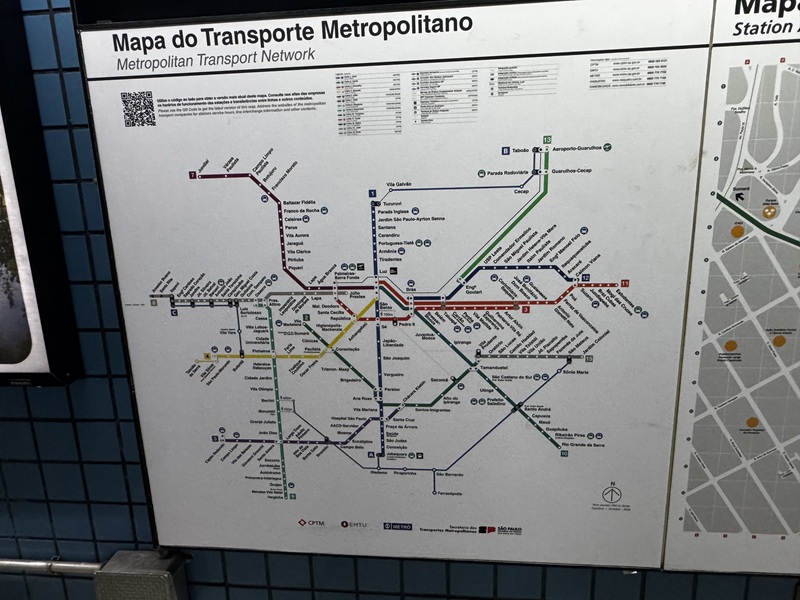
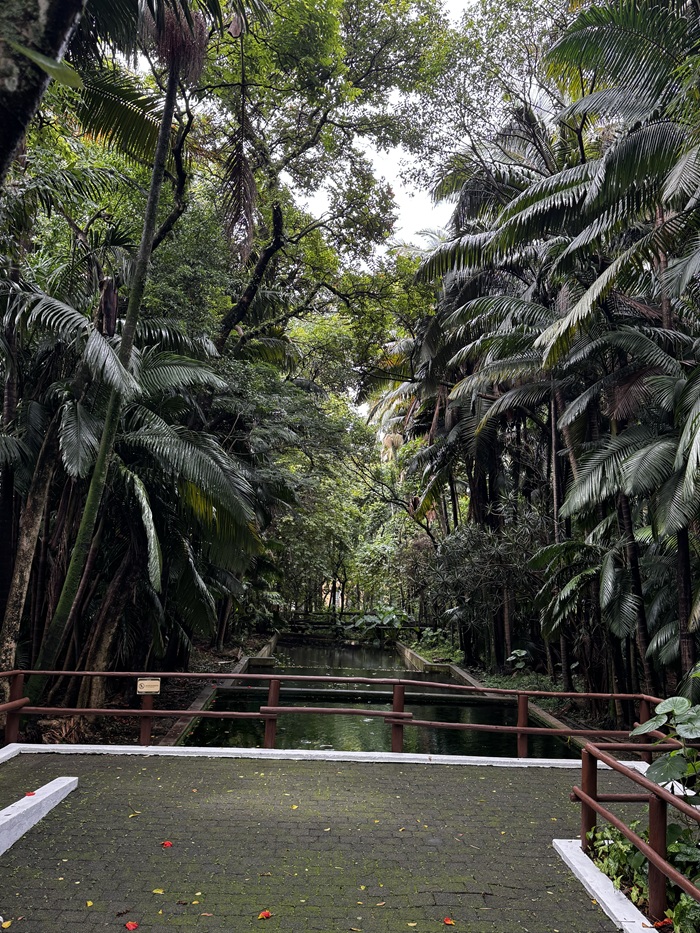
This week we took a tour through the city, and first, I’d like to point out how accessible the city is! The metro lines are pretty clean, even though the spirit of carnival is fresh in the air and people are flowing through.
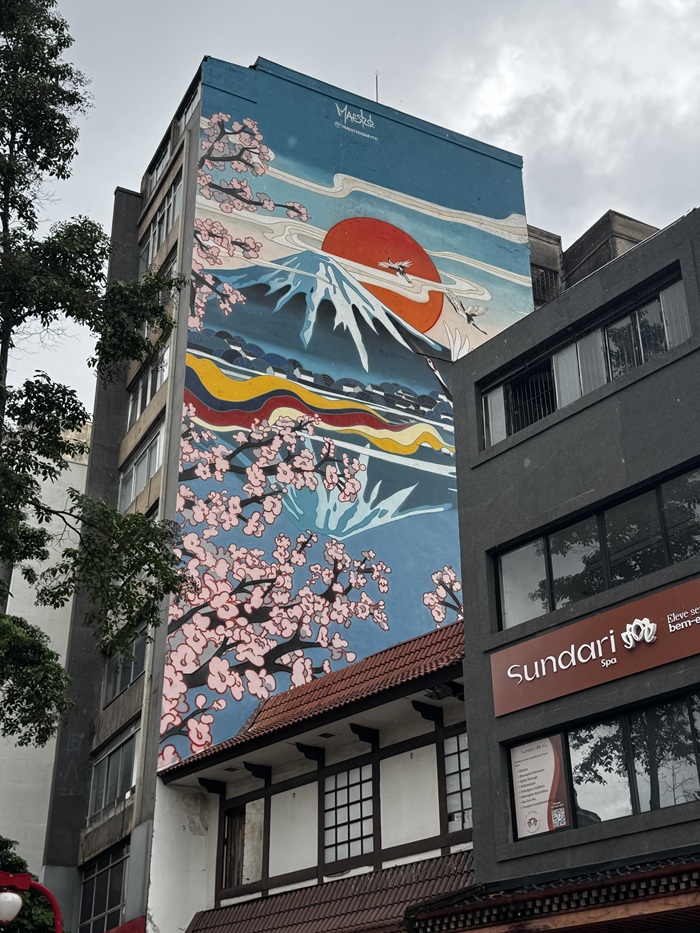
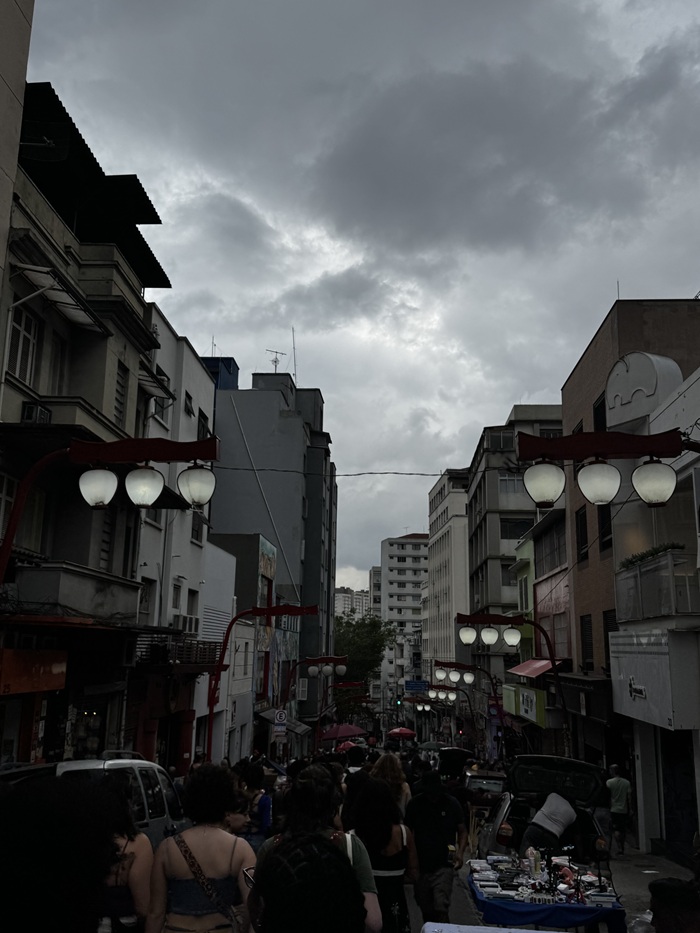
Our first stop was Liberdade. Exiting the station, we were hit by the incredible smell from food stalls, with street markets spilling down multiple streets.
Liberdade has a somber history, where Praça da Liberdade was once an execution site for enslaved people. The name Liberdade was partly inspired by an event where Francisco José das Chagas led a revolt against unfair labor and was sentenced to be lynched. The rope broke multiple times which was seen as a sign from God, seeing this, the crowd cried Liberdade (liberty). Yet, the execution was carried out.
We walked down the street from the station and entered the Sé Metropolitan Cathedral. Sé, serves as the city’s main Catholic church and has served as a landmark in many social movements throughout the country’s history.
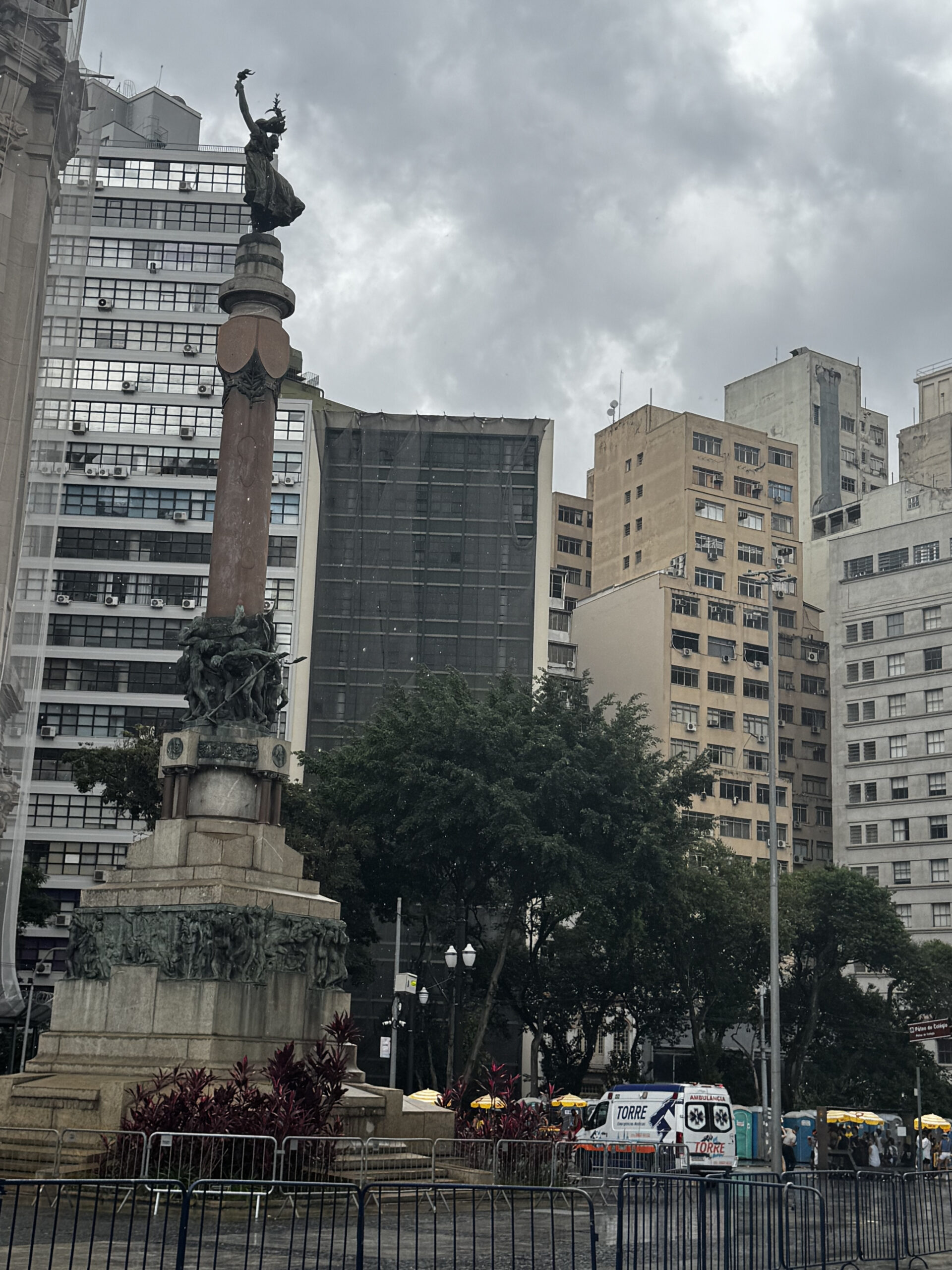
We eventually made our way over to Pátio do Colégio, the place where it is said to be the founding place of São Paulo. The monument in front of it is called Glória Imortal dos Fundadores de São Paulo (Immortal Glory of the Founders of São Paulo) being a portrayal of how colonization can be romanticized through its gross depiction of indigenous groups being saved by the Jesuit Founders of the city.
It’s important to keep history alive, and to look at who is telling the story. In just one week, São Paulo has shown me it’s a place where you must look deeper; past the skyscrapers and crowds. This tour revealed how a city can layer over its roots, hide and twist history.