
Written by Diego Alberto Felix-Trejo, (University of Michigan), Student Correspondent for CET Brazil, (Social Justice), Spring 2026
You’ll get plenty of time to settle into the rhythm of São Paulo. Classes begin the second week after you arrive, but that first week feels easy because it’s syllabus week. During the third week, we had time off while most of the city observed Carnaval. That’s truly one of the best times to explore and enjoy the best of what the surrounding neighborhoods have to offer.
Carnaval Break
The word Carnaval traces back to its Latin roots: carna– meaning meat, and –vale meaning farewell. It takes place in the days leading up to Ash Wednesday, which marks the beginning of Lent.
With São Paulo being the largest city in the country, there was plenty to do and plenty of free events to attend. During Carnaval season, you’ll quickly pick up the word bloco (or bloquinho), which refers to a street parade. As the name implies, these parades take up entire city blocks, with multiple happening each day, each with its own dedicated theme. And while Carnaval is closely associated with samba, you’ll hear all different types of music! Many blocos feature bateria schools—large percussion ensembles that play iconic songs arranged to fit their specific theme.
I went to a bloquinho called Filhos de Gil, which refers to Gilberto Gil. He’s a beloved musician from the state of Bahia with many classic hits like “Aquele Abraço,” “Andar com Fé,” and “Palco.”
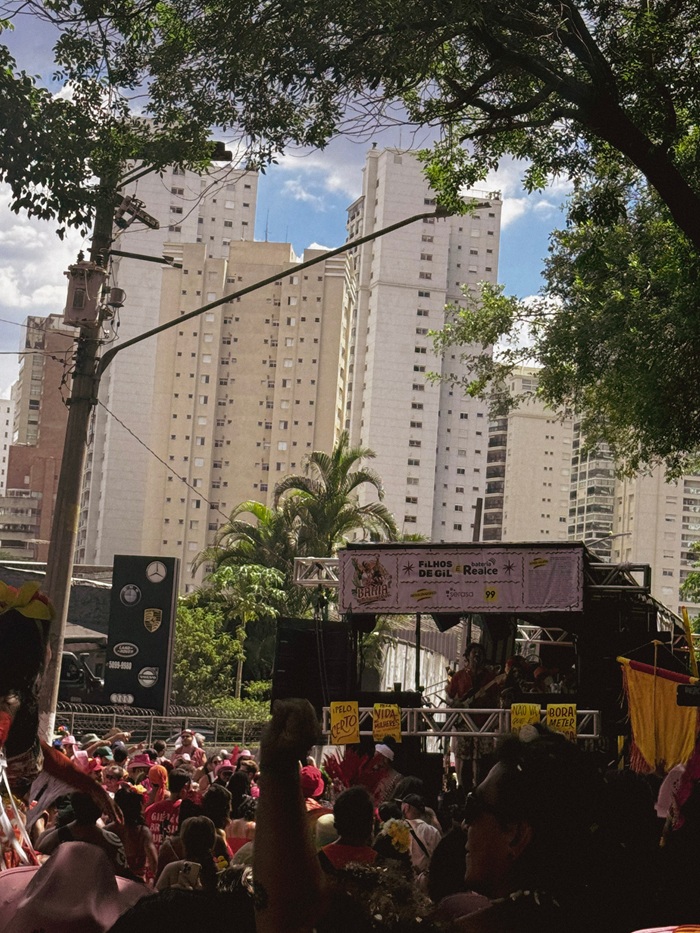
You might be surprised to learn there was even a bloquinho dedicated to anime fans in the Liberdade neighborhood. At “Bloco Otaku”, you’ll hear iconic anime themes arranged in samba style, each arrangement will absolutely blow your mind!
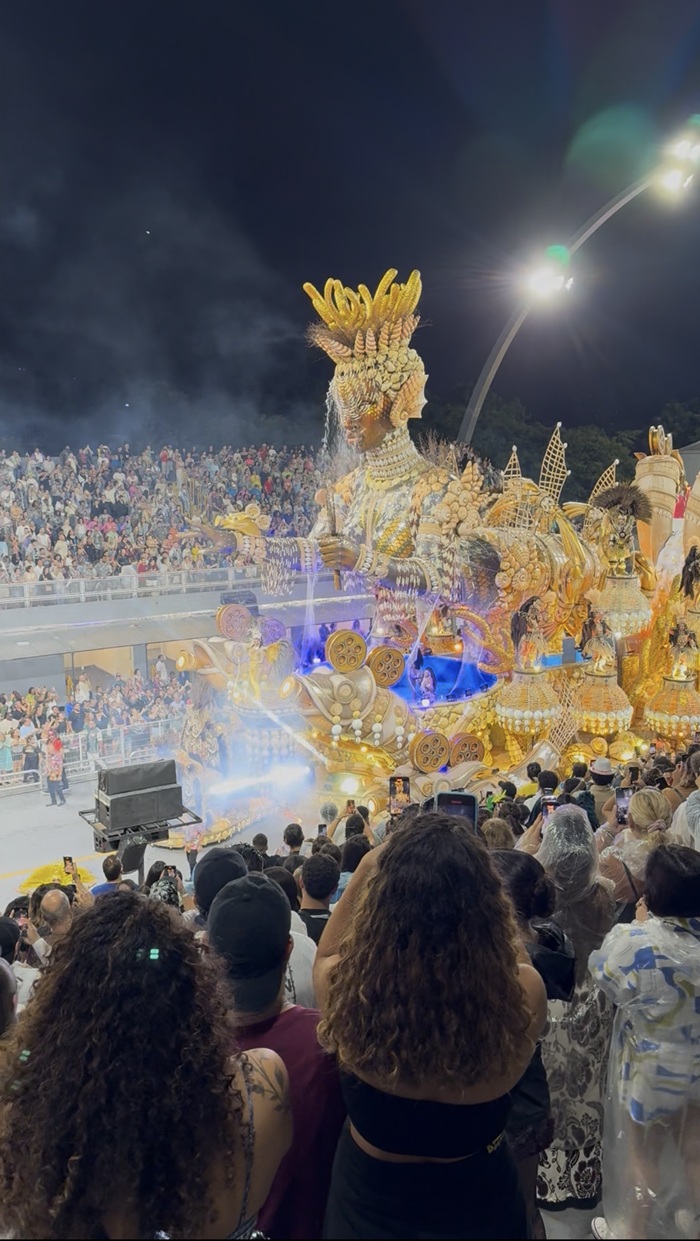
At the end of the Carnaval week, I visited the Sambódromo to watch the champions parade. This is the kind of parade you typically imagine when you think of Carnaval—and honestly, I can’t blame you. I arrived late, around midnight, and there was still plenty to watch, as the show doesn’t end until 7 AM. You’ll have an easier time finding tickets for the parade in São Paulo than you would in a city like Rio. Here, you’ll see incredible, detailed floats up close.
Welcome Week at the Pontifícia Universidade Católica (PUC) de São Paulo
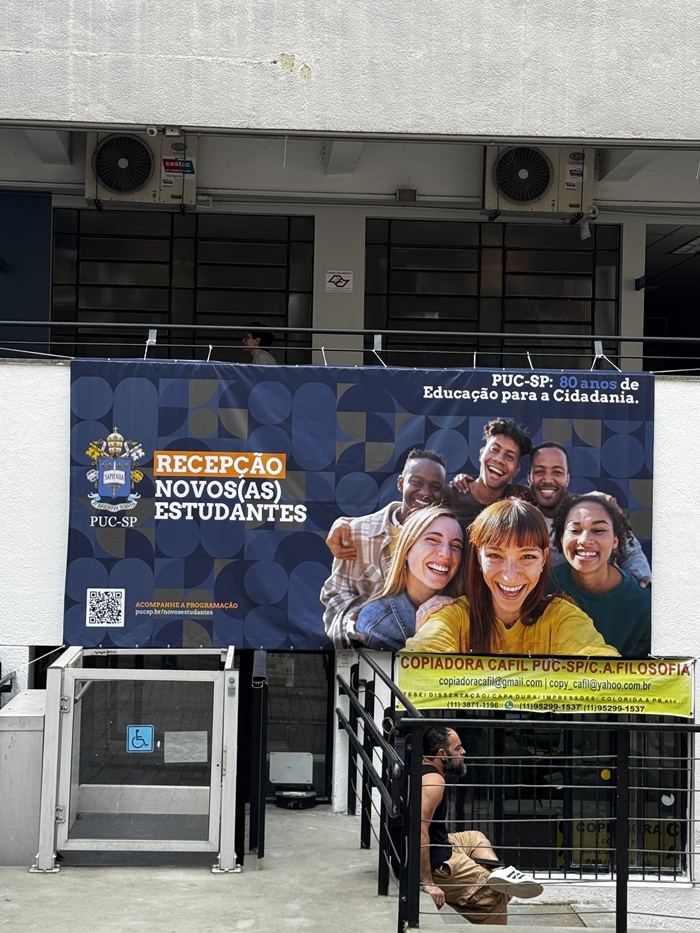
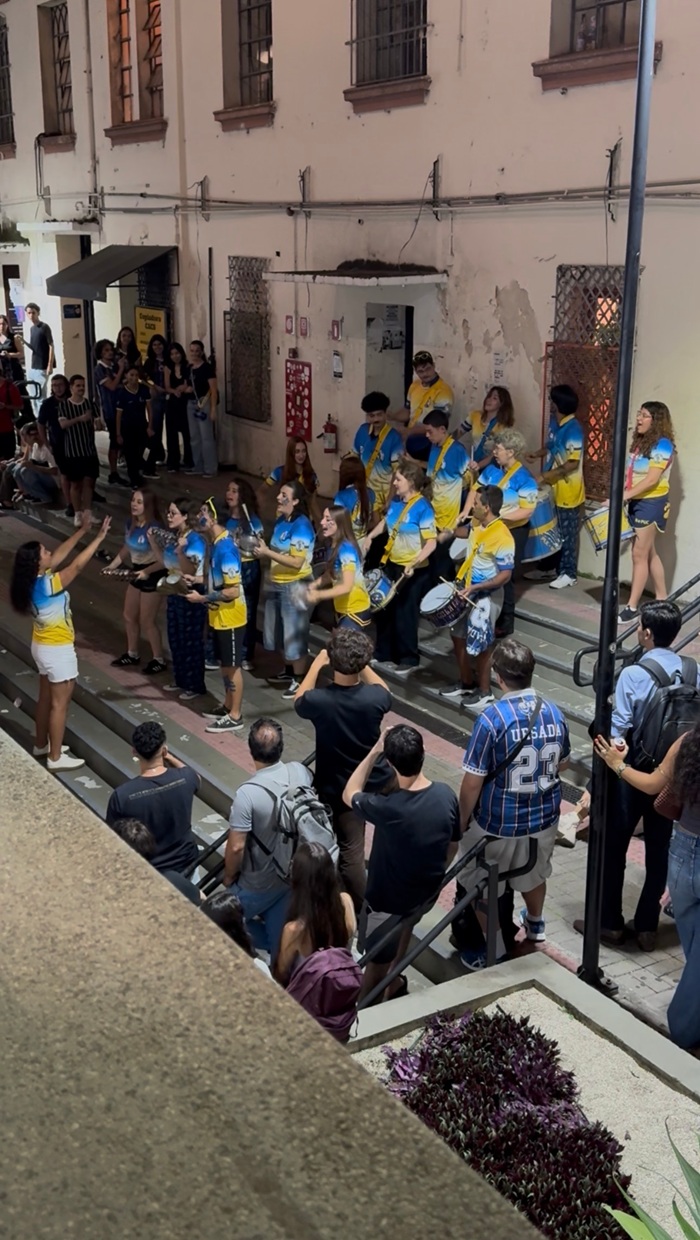
Universities typically begin the week after Carnaval. Although our CET classes started earlier, we still got to see the welcome day activities for regular students at PUC. (Fun fact: PUC is pronounced like “Pookie.”)
On welcome day, we watched a student bateria group perform at the center of campus. A huge crowd gathered while, inside the school, free popsicles and popcorn were handed out to onlookers.
After the bateria performance, students rushed outside the main entrance to the food trucks and bars in front of the school. A large banner hung from the top floor, and we even saw some students set off fireworks!
Fruits and Açaí
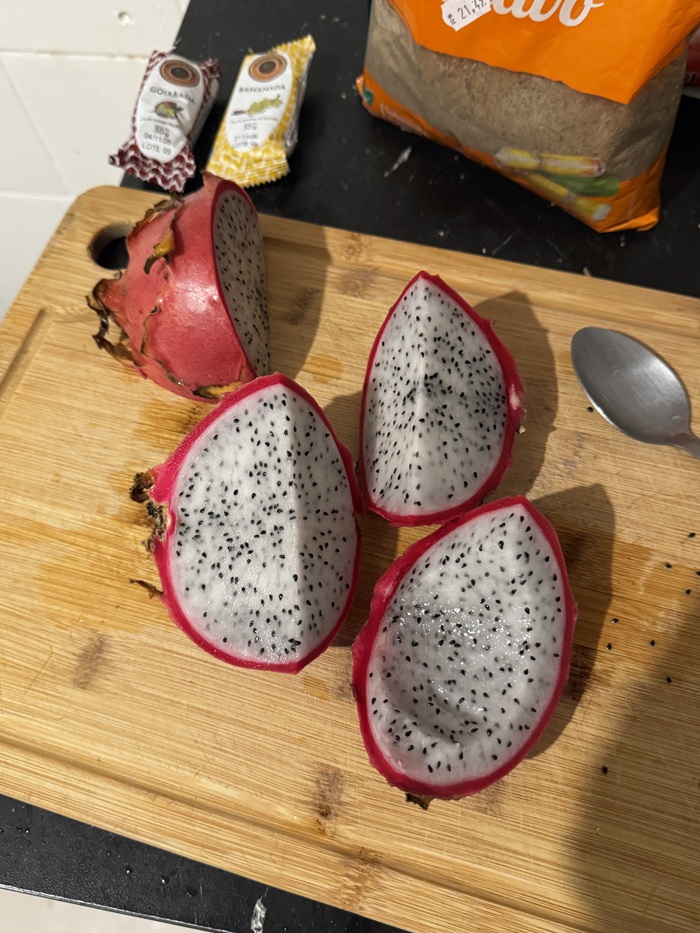
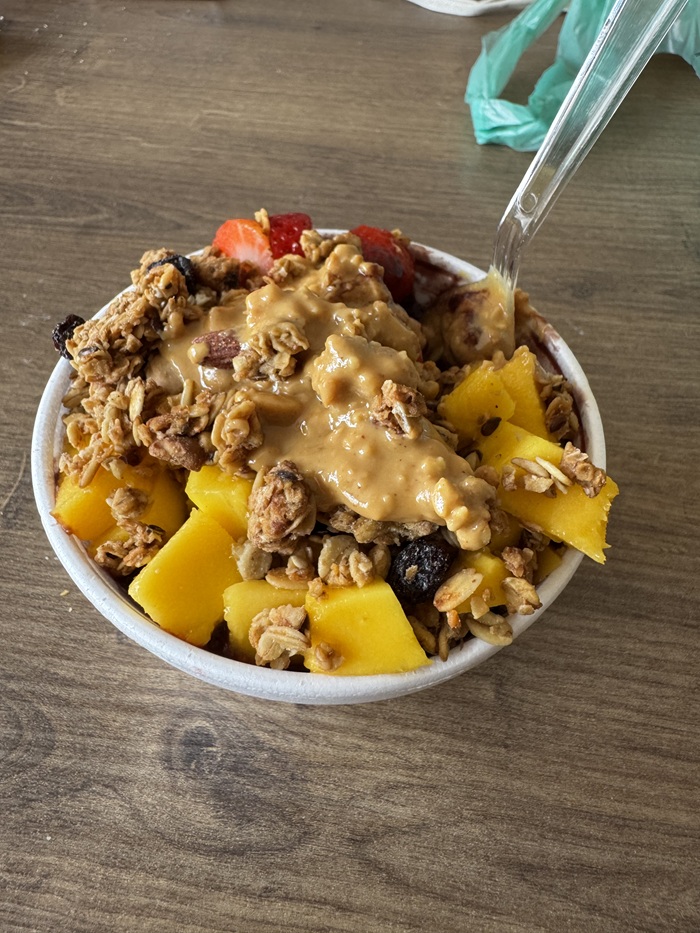
With all these celebrations happening, you might be wondering if I’ve eaten an unhealthy amount of fried food. But honestly? I haven’t had this much fruit in my entire life. There are so many options, and everything is incredibly sweet. There was a stretch where I started every morning with fresh mango and Greek yogurt.
One of my favorite fruits is dragon fruit, here it’s called pitaya. Although it’s not traditionally very sweet, here it has a stronger honey-like sweetness you can’t get enough of.
And the last thing you might be wondering: Is the açaí any better than in the U.S.? The answer is yes! It’s so much better! The portion sizes are larger, there are plenty of toppings to choose from, and I don’t have to live with the guilt of spending an absurd amount of money on a single bowl like I did back home.