
Written by Rayan Lahlou-Nabil, (Northwestern University), CET Jordan in Barcelona, Fall 2026
Coming from the city of Chicago, where people are constantly walking in and out of subway stations, checking their phones, listening to music through their AirPods, and saying “excuse me” as they rush to clock in for work, Barcelona was completely different.
When I arrived at orientation, one of the first questions I asked Anna and Caterina, our student support staff, was, “Is it true that Spanish people take a siesta?” I was hoping they would say yes. Instead, they explained that the traditional siesta is more of a myth in the city of Barcelona. It is much more common in some surrounding towns and smaller communities.
However, as the weeks went on, I started to understand that the siesta is about much more than taking a nap. Walking through Barcelona, I noticed something that was very different from what I was used to in Chicago. People seemed to move at a slower pace. Instead of rushing down the street with their eyes glued to their phones, I would see people sitting outside with a coffee, talking with a friend, enjoying a meal, or simply taking their time.
At first, it felt strange. I was so accustomed to looking at the clock and thinking about what I had to do next. In Barcelona, I began to realize that not everything had to feel like a race. The slower pace taught me something I did not always make enough time for in America: time itself can be enjoyed. I started spending more time exploring, talking with people, trying new foods, and allowing plans to unfold naturally instead of constantly worrying about what came next.
I also began to see similarities with my own Moroccan and Arab background. In Arabic, there is a strong emphasis on المجتمع (al-mujtamaʿ), meaning community, and on spending time with family and friends. Whether it is sitting together for a long meal, drinking Moroccan tea, or simply talking, time with other people is often treated as something valuable in itself. Barcelona reminded me of that part of my own culture. One of the biggest things I learned from slowing down was the importance of community. When you are not constantly checking the clock, you become more open to spontaneous experiences and to the people around you.
CET Barcelona did an excellent job creating that sense of community. From little games during orientation to group trips and weekly events, there was always an opportunity to connect with someone new. Some of my favorite memories came from activities that I probably would not have experienced if I had been focused only on my schedule.
And, of course, many of these activities gave me a good reason for a siesta afterward.
Cooking Paella With CET
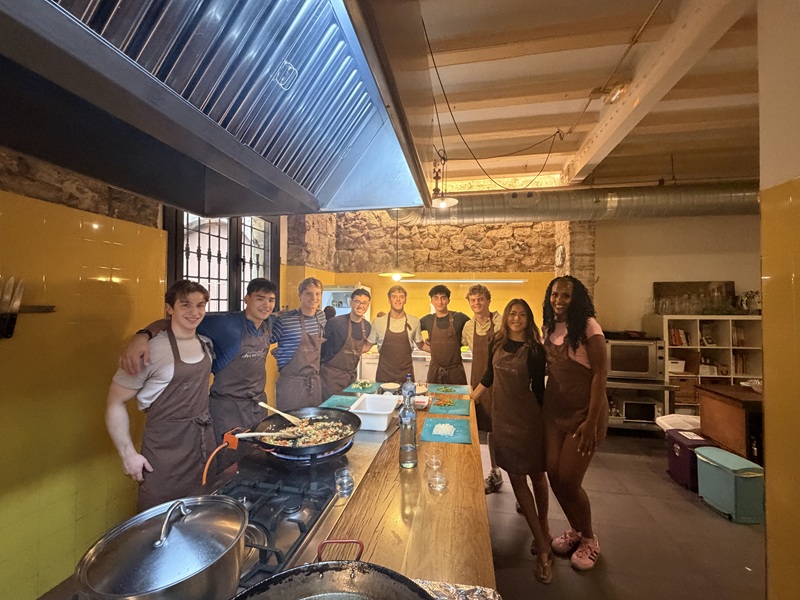
There is no better way to build community and prepare for a siesta than cooking and eating delicious paella. We got into teams and followed the chefs’ instructions before eventually creating a chicken and vegetable paella that, in my completely unbiased opinion, could have won awards. Food has a special way of bringing people together, and cooking alongside people I had only recently met made the experience even better. After all that food, a two-hour siesta felt completely deserved.
A Trip to Sitges
Barcelona itself is beautiful, but the CET Barcelona staff emphasized the importance of getting outside the city and exploring the surrounding areas. During our trip to Sitges, we learned about olive oil production and had the chance to taste some of the local olive oil. Afterward, we enjoyed a beach trip before heading back on the bus. And what better place to practice the art of the siesta than on a bus ride after a long day? Mine lasted about an hour.
Seeing Barcelona From the Water
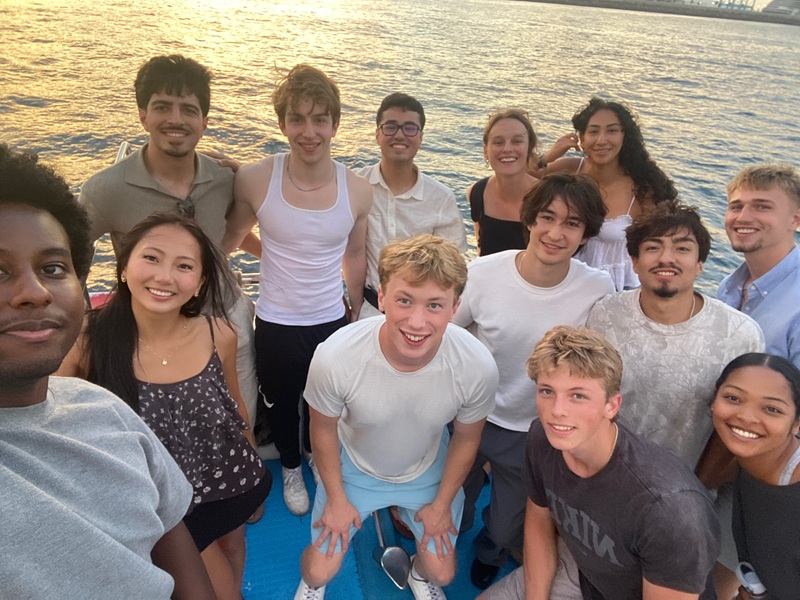
Exploring Barcelona on foot is one thing, but seeing the city from the water gives you an entirely different perspective. CET’s Anna took us on an amazing boat trip. We could see some of Barcelona’s major landmarks while spending time with our friends and enjoying ice cream. Of course, we also took plenty of Instagram-worthy pictures. Being photogenic is not an easy task, so after the photoshoot, a one-and-a-half-hour siesta was earned.
Volleyball With Professionals
A siesta can follow almost any activity, but it is especially enjoyable after exercising. CET Barcelona gave us the opportunity to play competitive volleyball while receiving tips from a professional coach. It was a great way to get active and compete with our friends. As you may have guessed, a two-and-a-half-hour siesta was definitely deserved afterward.
Dinner With an Arab Family
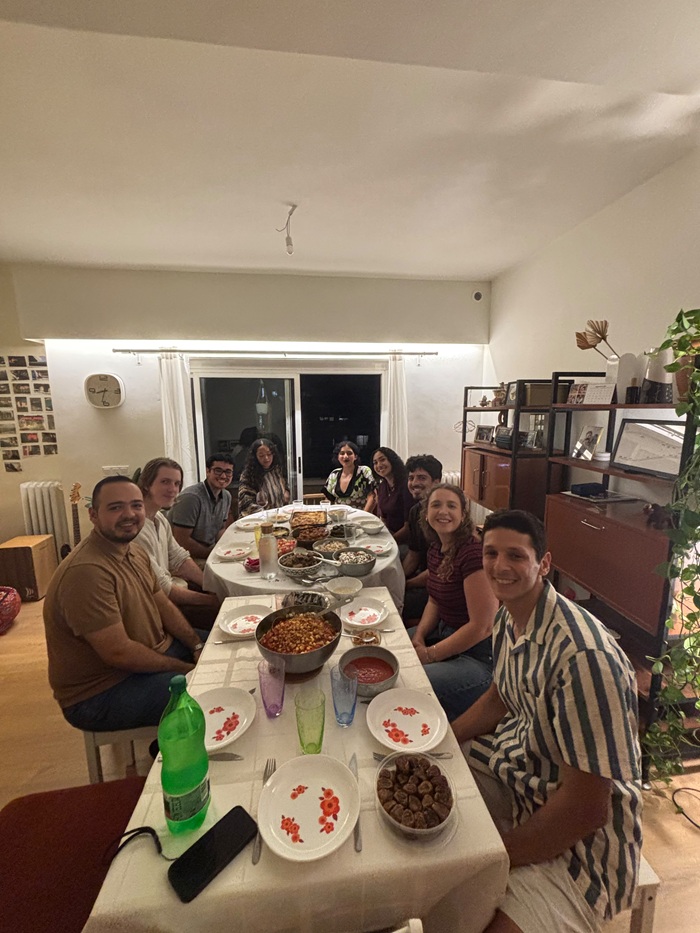
One of the experiences that connected most strongly with my own background was having dinner with an Arab family. Through CET Jordan’s program in Barcelona, my peers and I were able to enjoy a delicious dinner prepared by Chef Youssef alongside his family and friends. Being able to practice Arabic, especially, was great for my learning journey. The food was absolutely delicious, and we were able to take leftovers home to enjoy after the experience. After that meal, my siesta was probably the longest of the entire program: two and a half hours.
I came to Barcelona thinking that learning about the siesta would mean learning how to take a nap. Instead, I learned that it can represent something much bigger in learning how to slow down. The Barcelona lifestyle showed me that productivity does not always have to mean constantly moving. Sometimes, making the most of your day means taking time to eat with friends, explore a new place, or simply sit and enjoy where you are.
I also learned that you can experience a siesta without necessarily sleeping. You can have your own version of a siesta by intentionally creating time to pause. For me, that meant strolling around Barcelona, sitting down for coffee, and spending more time with friends.
So, how can you have your own siesta in Barcelona? I would recommend slowing down. Put away the phone for a little while. Eat with people. Explore without rushing. Talk to someone new. If you have eaten enough paella, then take the two-hour nap. The traditional siesta may not be something that everyone in Barcelona practices. But, the slower rhythm and emphasis on enjoying time are things I will take with me long after leaving Spain.
As I said when I first arrived, maybe the siesta really is in the air.
A special thank you to the CET Barcelona and Jordan staff for taking such great care of us, creating a strong sense of community, and teaching us about the power of the siesta