
Photos taken by Kalina Sabala Montes (Yale University), Student Correspondent for CET Beijing, Summer 2025
After arriving back in Beijing from our trip to Chengdu, we quickly settled back into familiar studying routines. However, we had many events to look forward to upon our return, and many activities to prepare for!
Trying Tea
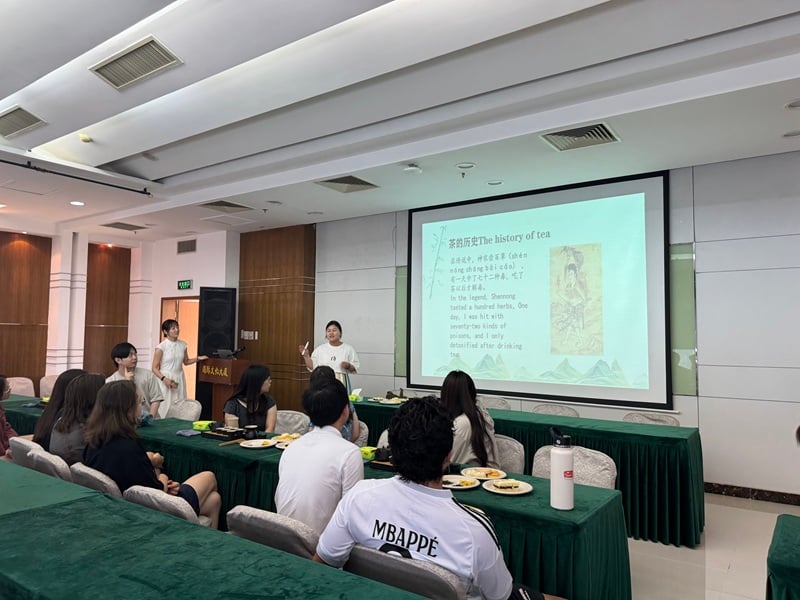
The start of the week began with a Culture Class focused on the history and significance of tea in China. During our class, we learned about the many different types of tea that were often enjoyed and revered in ancient China, including black, red, white, green, chrysanthemum, and jasmine tea. We were taught the correct way to set up all of the equipment, clean your cup, and prepare the tea for serving. Alongside our tea, we enjoyed traditional Chinese snacks such as mooncakes and red bean cakes. Through the careful preparation and methods of serving the tea, we learned just how important this aspect of Chinese culture was in ancient China, and how it still maintains that importance today.
Mahjong Night
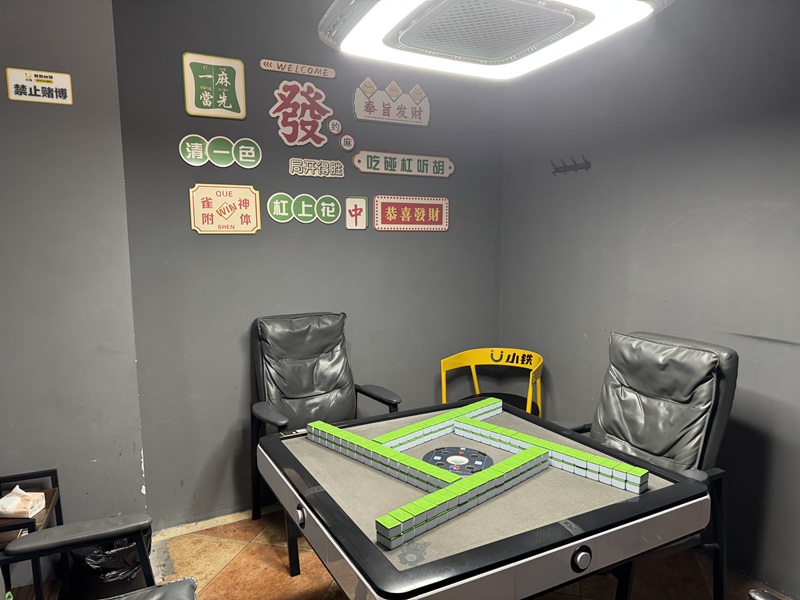
Throughout the week, after classes ended for the day and my homework was completed, I took the opportunity to go on more excursions with my friends and try new activities. Our CNU classmates and roommates invited us to play mahjong one night, where we spent a majority of our time trying to understand the rules of the game. Amidst marveling at the sorting machine that organized our mahjong tiles into an aesthetic layout, we analyzed the meanings of each tile to search for some secret hint that could maybe help us win. Unfortunately, that secret was not discovered from my end, as I was unable to score a single win.
Temple of Heaven Excursion
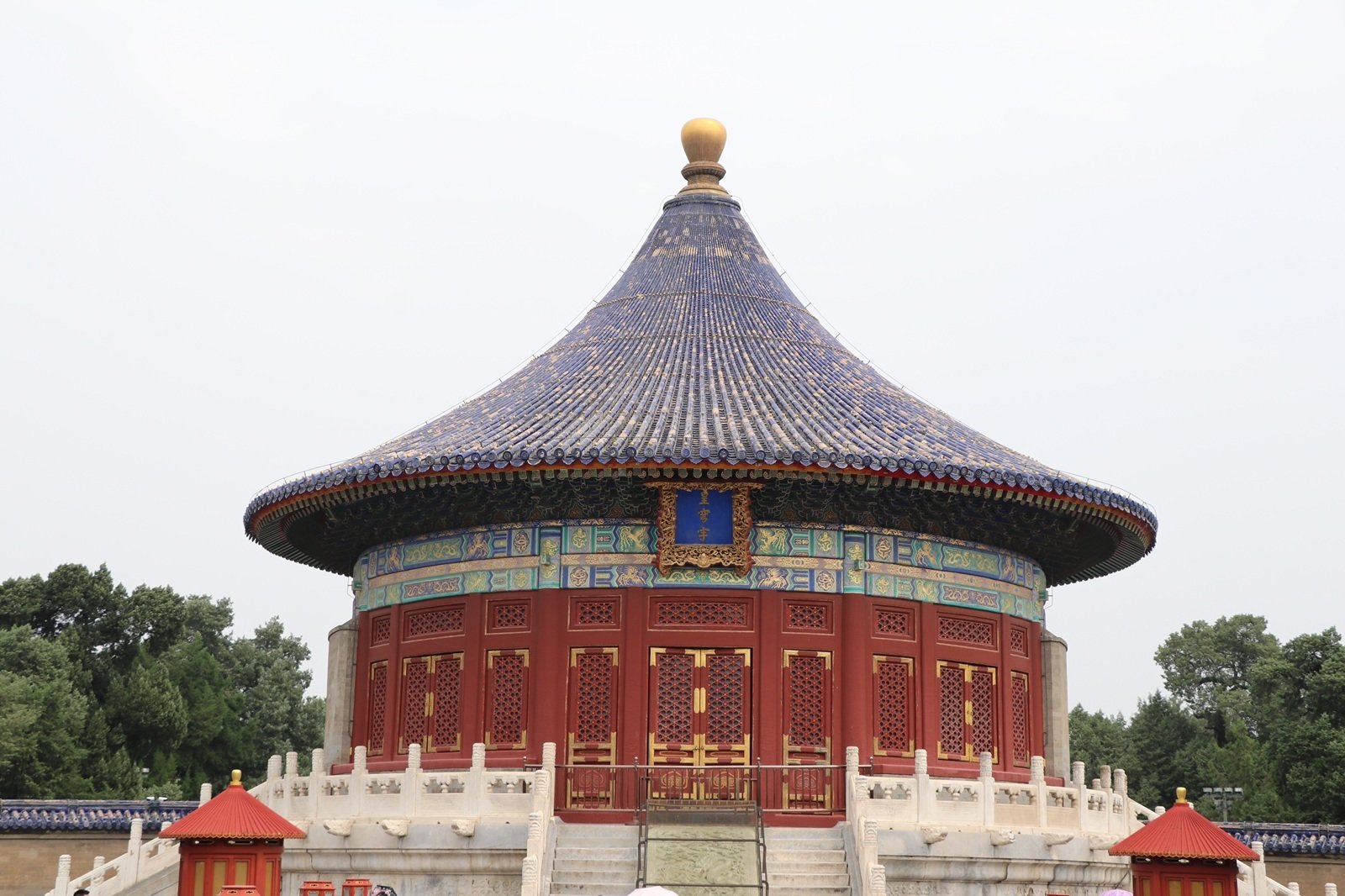
During the weekend, we had the opportunity to join CET Beijing on another excursion, this time to the Temple of Heaven. Armed with my camera (and some bug spray), we traversed the various palaces that made up the popular tourist destination, from the Hall of Prayer for Good Harvest to the Palace of Abstinence. Our classmates from CNU also gave us a brief introduction to the history of the Temple of Heaven, such as all of the various rituals that the emperor would perform in anticipation of an important event.
Shopping & 798 Art District
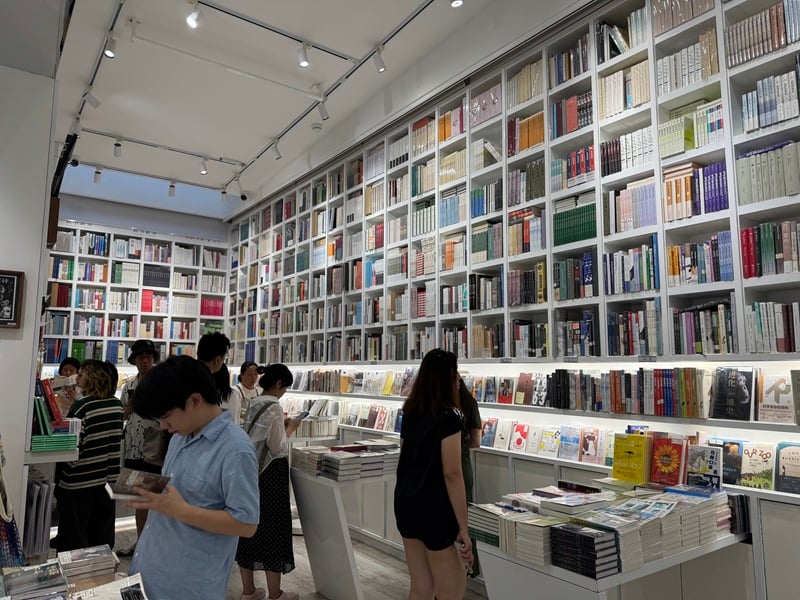
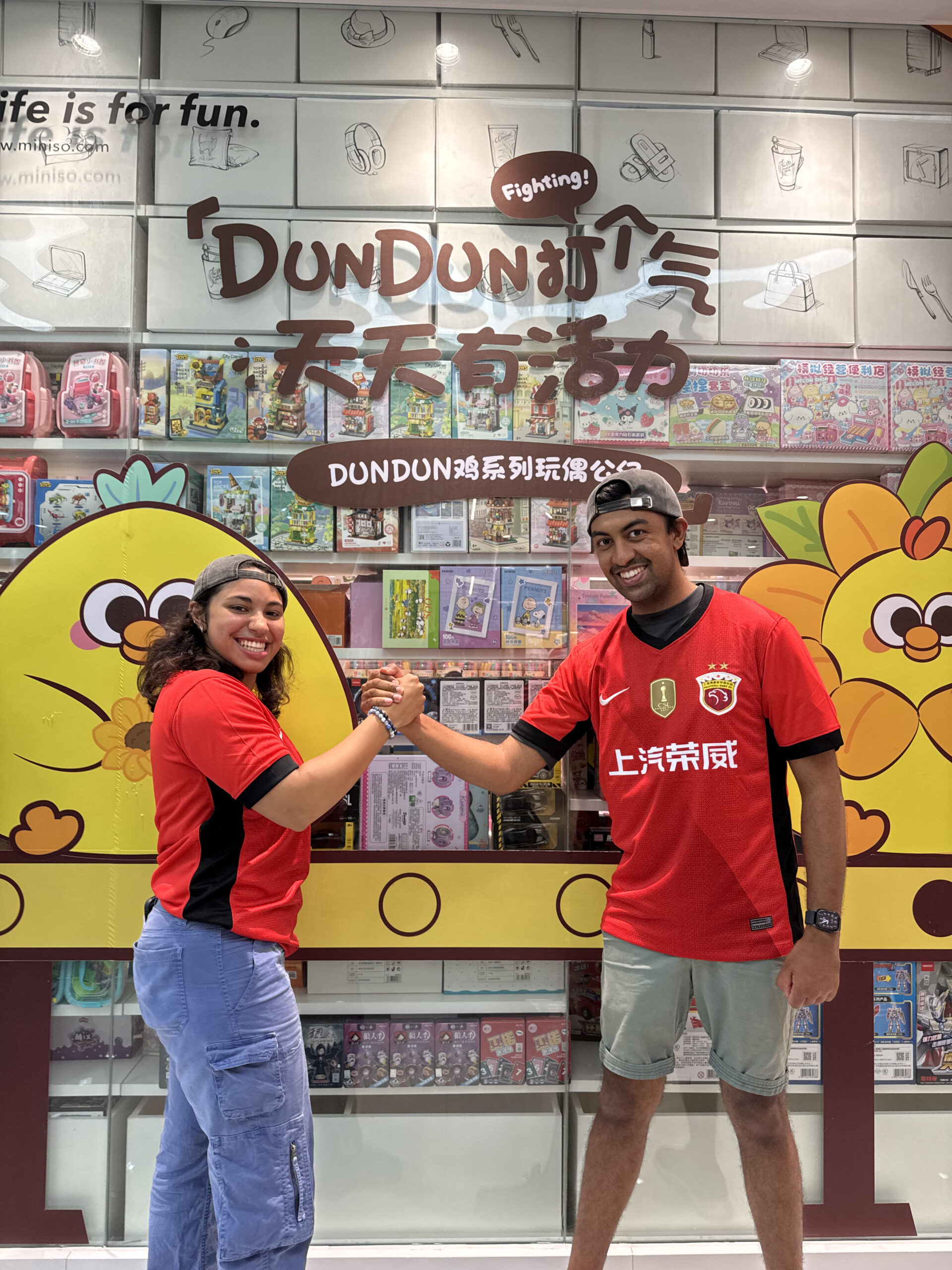
Afterwards, we tested our bartering skills at a well-known shopping center, containing four floors of goodies and souvenirs—all of which could be negotiated for a lower price. While I had previously known that bartering is a significant part of business in China, I had underestimated the seriousness—and usefulness—of conversation. There, my friends and I all bought some souvenirs for our family and friends back home, all the while scoring some amazing deals.
Later that evening, we took the train to the 798 Art District, a former factory compound transformed into numerous art galleries, bookstores, and cafes which celebrate contemporary Chinese art. As we got lost in the streets of the art district, we found ourselves wandering into alleyways filled with stores. Whether the stores were selling clothes, art supplies, jewelry, or snacks, the essence of art and expression always filled the air.
National Arts and Crafts Museum of China
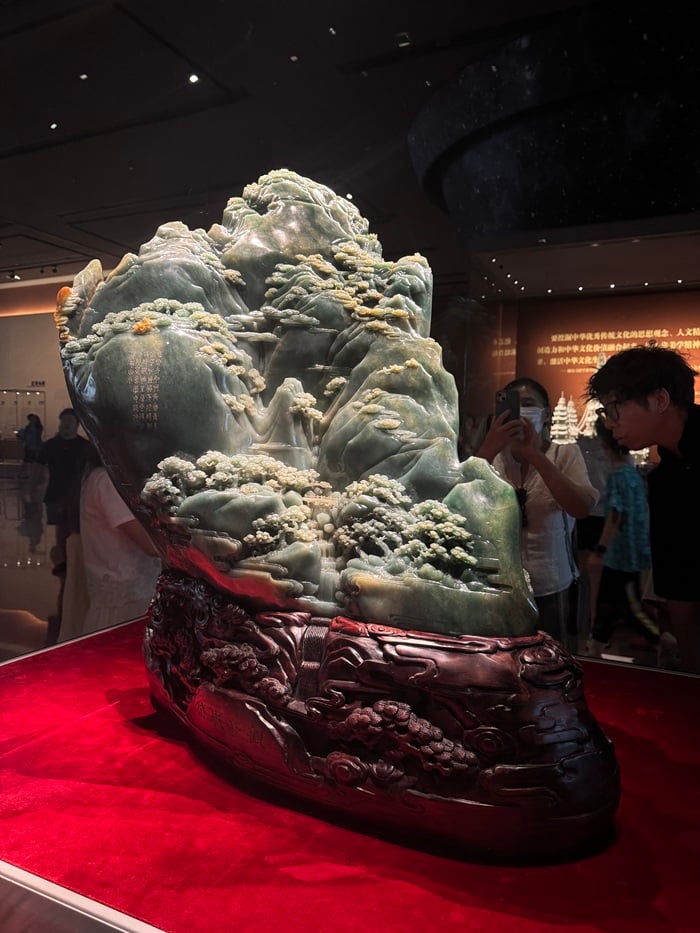
The next day, I was invited to visit the National Arts and Crafts Museum of China, located right next to Olympic Park. We spent hours in the vast museum scouring through all of the diverse exhibitions related to the art, history, and culture of ancient and contemporary China. Certain exhibitions highlighted art made by students from local universities, some discussed the evolution of traditional Chinese medicine, while others highlighted the impact of imperialism on the development of architecture.
Financial Forum
Although our weekend was filled with sightseeing and activities and enjoyment, it was time to return to class and prepare for our next upcoming activity—our Financial Forum. The Financial Forum included presentations from CET students as well as students from Renmin University, discussing the investments made into green finance and renewable energy. Students who were selected for the conference spent the week preparing their presentations, while others (such as myself) prepared for the student-led performances that were set to take place right afterwards.
After a friend jokingly suggested that I should choreograph a dance performance, I decided to entertain the idea a bit further. At Yale University, I’m involved in Sabrosura, a dance group that highlights Latin and Caribbean styles of dance. Once I had stumbled upon a bachata song sung in Chinese, the plan had been set into motion. After precisely one day of choreographing, teaching, and perfecting my newly created dance, we were ready for performance day.
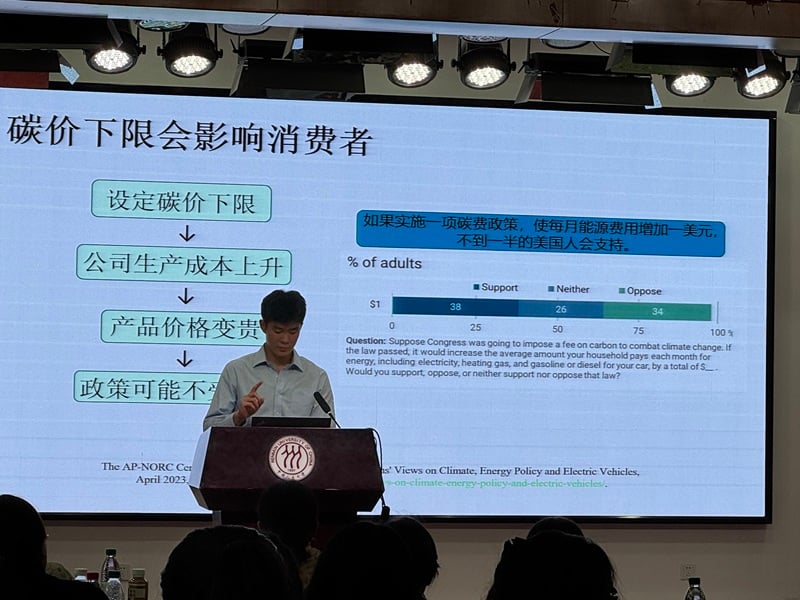
The presentations during the Financial Forum were incredibly well done, with students receiving praise from teachers and students alike for their cohesiveness and public speech abilities. Students discussed the Chinese government investing into programs such as the Silk Road Fund, which allows China to expand their economic opportunities to other countries. After hearing all of the presentations, it was then showtime.
We saw performances ranging from a Chinese rendition of Frozen’s “Let it Go”, a parody skit based on characters from Integrated Chinese I, poetry readings, and instrumental pieces. Our performance was well-received by audiences, who were not expecting the intercultural mix of Spanish and Chinese that we unintentionally represented. However, it also reflected the importance of the Financial Forum as a whole—understanding all of our different cultures, learning about new political and social situations from other countries, and celebrating our shared company.
The highlights from the Financial Forum and performances can be seen here.