
Written by Rayan Lahlou-Nabil, (Northwestern University), CET Jordan in Barcelona, Fall 2026
Coming to Barcelona to learn Modern Standard Arabic and the Jordanian dialect does not seem to make much sense, and honestly, that is true. However, learning Arabic in Barcelona has been one of my best experiences. I have been placed in an environment that has allowed me to see the interconnectedness of humanity firsthand. Whether through linguistic similarities, observing people from different backgrounds interact and live together, much like in America, or being forced to actively seek out opportunities to practice a language rather than having it available around every corner, this experience has taught me a lot. It has also allowed me to hit two birds with one stone, as I have been able to strengthen my Spanish along the way.
My first encounter with Barcelona was special because I initially worried that my Spanish was not good enough. However, situations where I had to speak Spanish pushed me to explain what I was trying to say differently or use an English word and then learn its Spanish equivalent. I should also mention that people in Barcelona generally speak excellent English. They are very supportive of students trying to learn their language and culture. I would encourage future students not to be afraid of making mistakes.

Interestingly enough, when you walk into a supermarket or a small neighborhood grocery store, the vendor will sometimes pick up on your American accent. Then, immediately speak to you in English. My recommendation is to double down and respond in Spanish! It is a great opportunity to continue practicing.
One of the biggest challenges was differentiating between Spanish and Catalan because they are two distinct languages. Before arriving in Barcelona, I had heard that locals might feel disrespected if you spoke Spanish instead of Catalan. However, my experience has been quite the opposite. People have appreciated my efforts to communicate with them in Spanish and immerse myself in their culture.
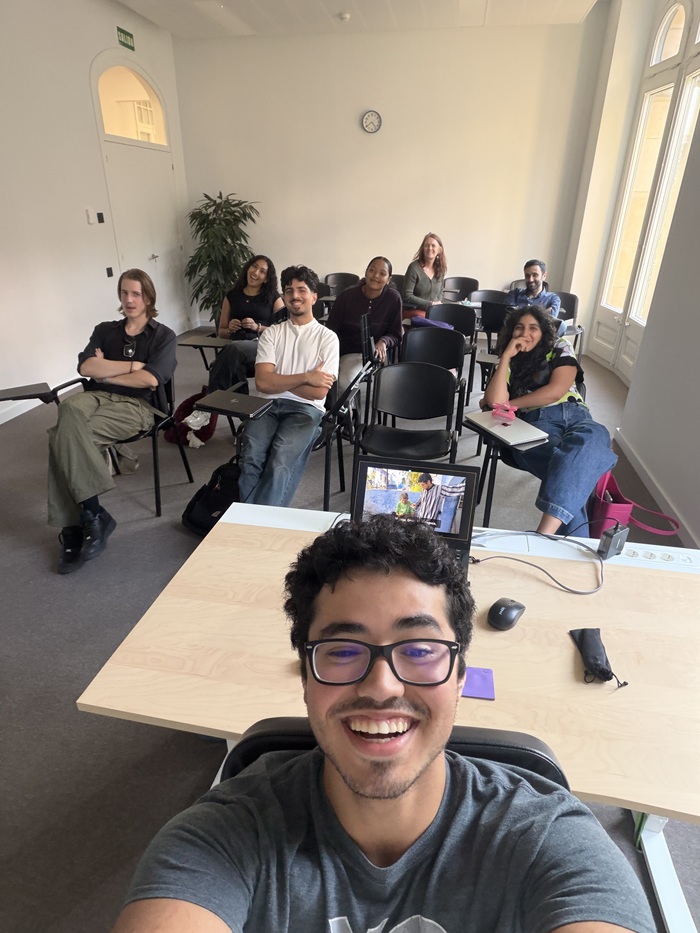
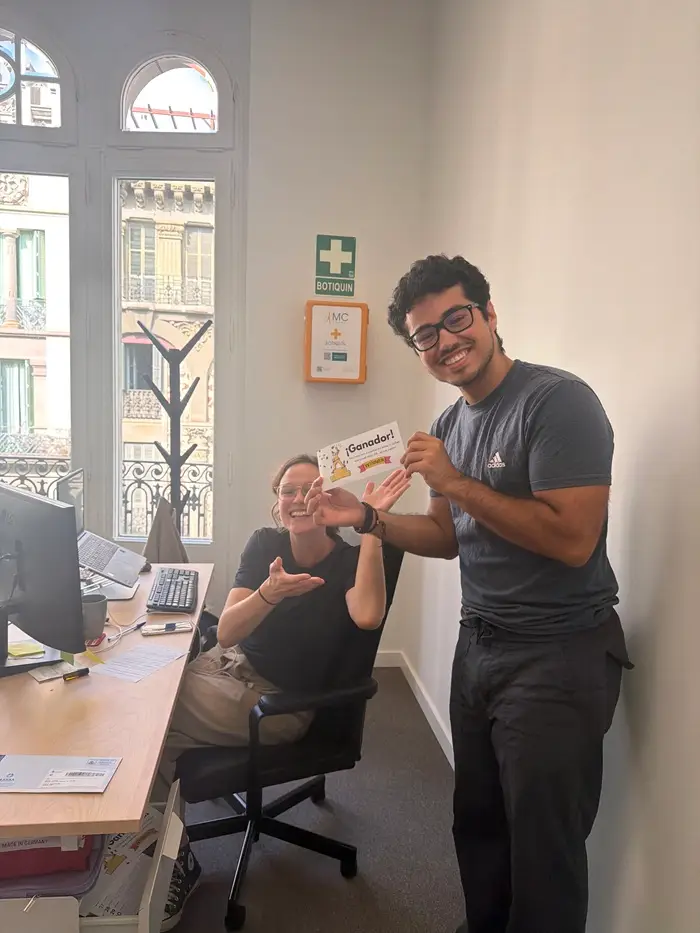
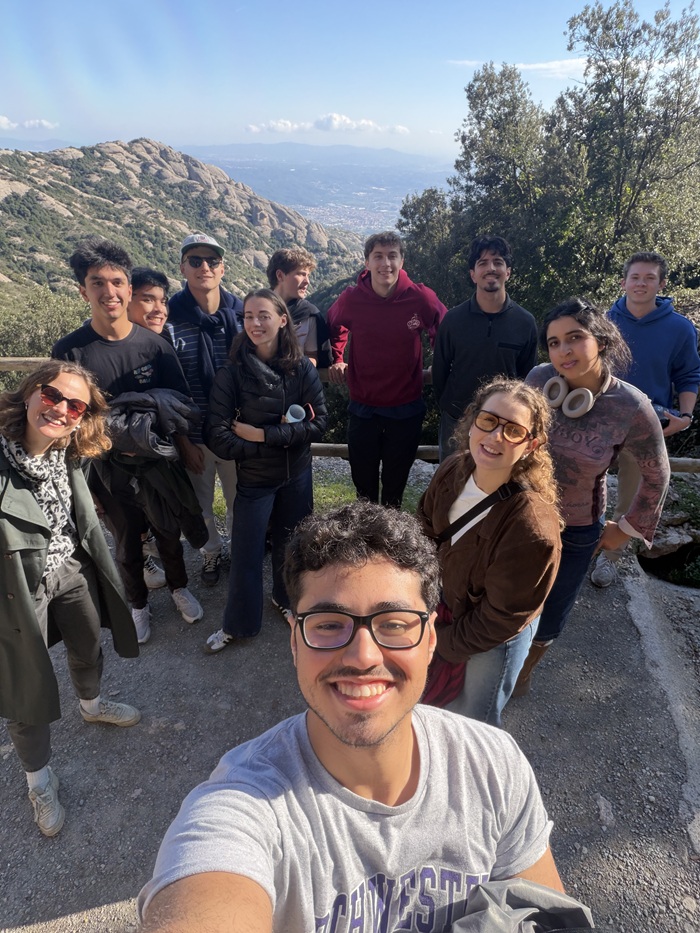
For example, I remember walking into a coffee shop and ordering a coffee in Spanish. The grandmother behind the counter was so happy to hear me speaking Spanish. She even called it the best she had ever heard. Now, we can all agree that she was probably exaggerating, but it certainly made me feel good about my Spanish!
Coming to Barcelona, like any city I have traveled to independently, has also meant gradually picking up on the slang and expressions locals use every day. People in Barcelona absolutely love the word “vale.” Depending on the context, it can mean okay, yes, understood, or simply serve as a conversational connector. While Americans tend to overuse “like,” Barcelonians seem to have their own version: “vale.”
After learning the expression, I became a huge fan and started using it constantly. It even became a small way of connecting with locals. Unfortunately, I have not quite mastered blending in, but I think perfecting my “vale” accent might get me there! Other essential expressions for paying are “Tarjeta,” which refers to paying by card, while “separado” means paying separately. Trust me, these two terms will come in handy throughout your study abroad experience.
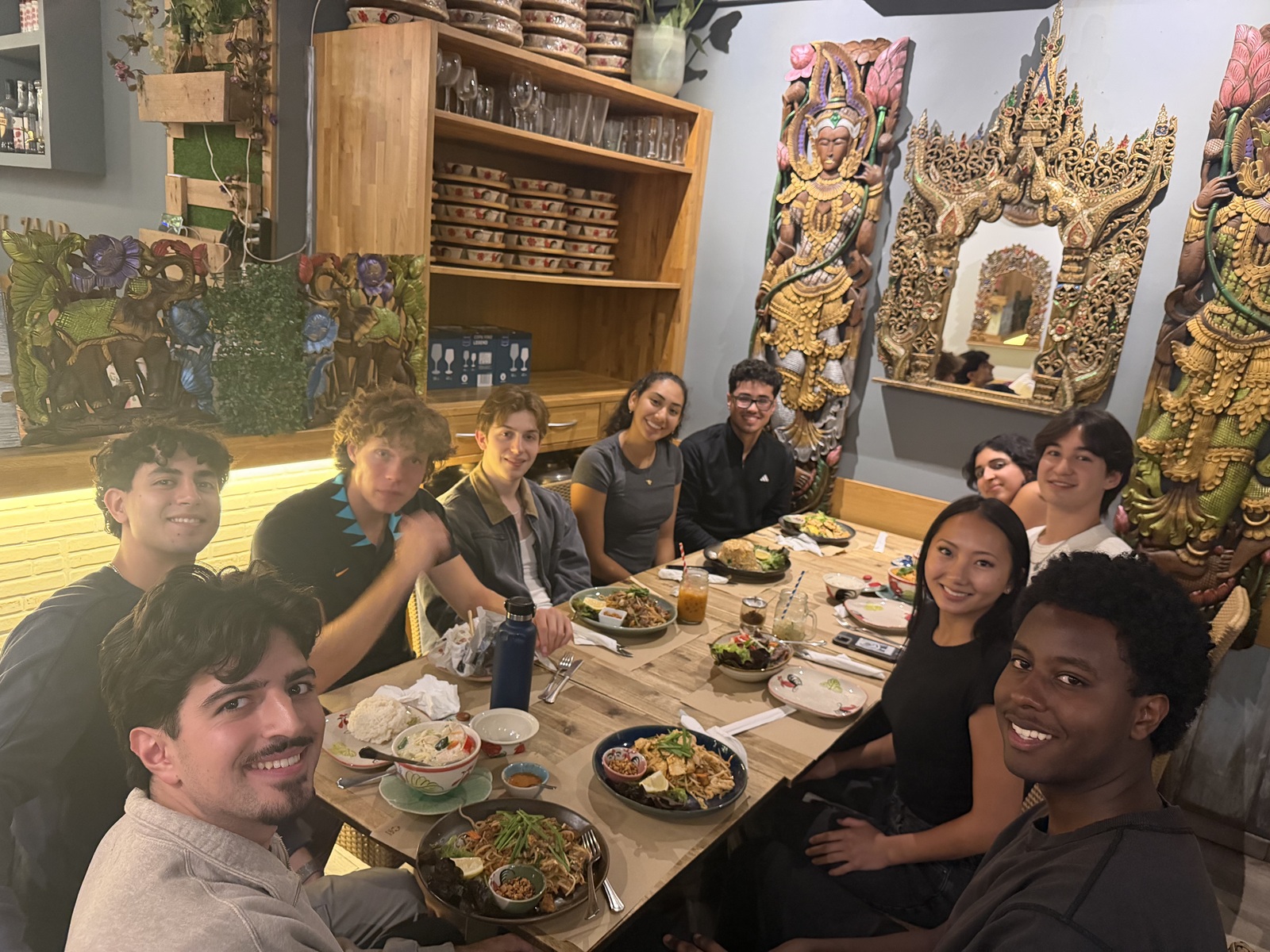
Now, when it comes to learning Arabic, the CET Jordan staff, in collaboration with CET Barcelona, have done an excellent job creating opportunities for us to immerse ourselves in the language. Whether it is organizing dinners with Arabic speakers in Barcelona, establishing an Arabic-only space at the CET Center, or arranging fun trips to local shawarma restaurants, they have made sure that we have opportunities to practice outside the classroom. The Moroccan community in Barcelona has also been wonderful to interact with, as many people have been able to understand our Arabic and help us practice along the way.
My advice for anyone hoping to learn a language abroad is simple: practice as much as possible. I strongly recommend keeping a journal of new vocabulary and expressions so you can revisit and practice them regularly. I also believe having an external source of motivation or accountability is extremely important. This is because it pushes you to continue learning even when it becomes challenging. Finally, remain curious. Ask your professors questions, request feedback, and take advantage of every opportunity to practice.
Ultimately, learning a language is not just about memorizing vocabulary or mastering grammar. It is about putting yourself in situations where you have to communicate, making mistakes, learning from the people around you, and discovering just how connected we really are.