
Photos taken by Yunhan Liu (Yale University), Student Correspondent for CET Beijing, Summer 2026
From subways with cars separated by temperature preferences to bikes that only cost 1.99 RMB (around 0.29 cents USD), getting around in Beijing couldn’t be easier. Plus, all of the public transportation options makes it easy to lower your carbon footprint when studying abroad!
Beijing Metro
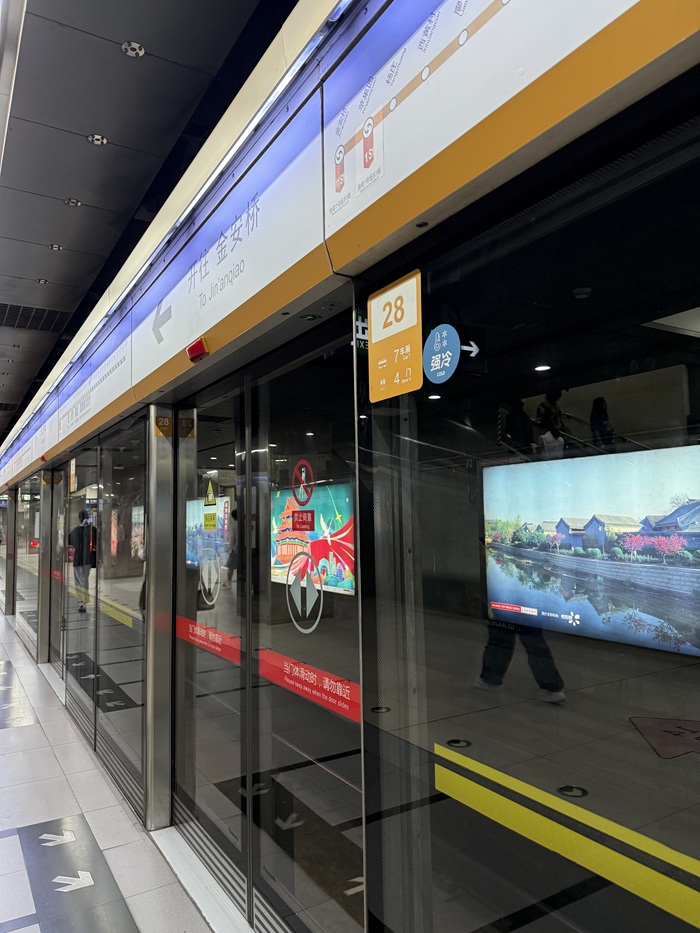
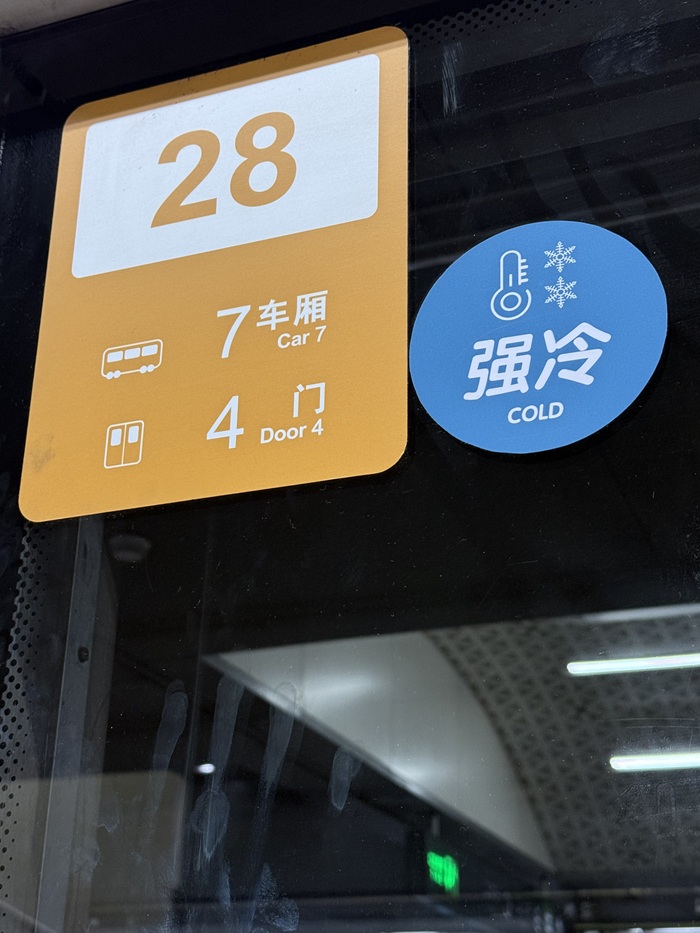
To access the metro, you can directly set up a metro card through Alipay. The price of the ride is calculated based on the distance that you travel. Each time you enter and leave the station, you scan your metro card so that the system can calculate your fare.
The subway cars are even separated by the level of air conditioning offered, so you can choose which car to enter depending on your temperature preferences. Traffic in Beijing can get really bad, especially during peak hours, so I definitely recommend taking the subway whenever possible!
Bike-Share System
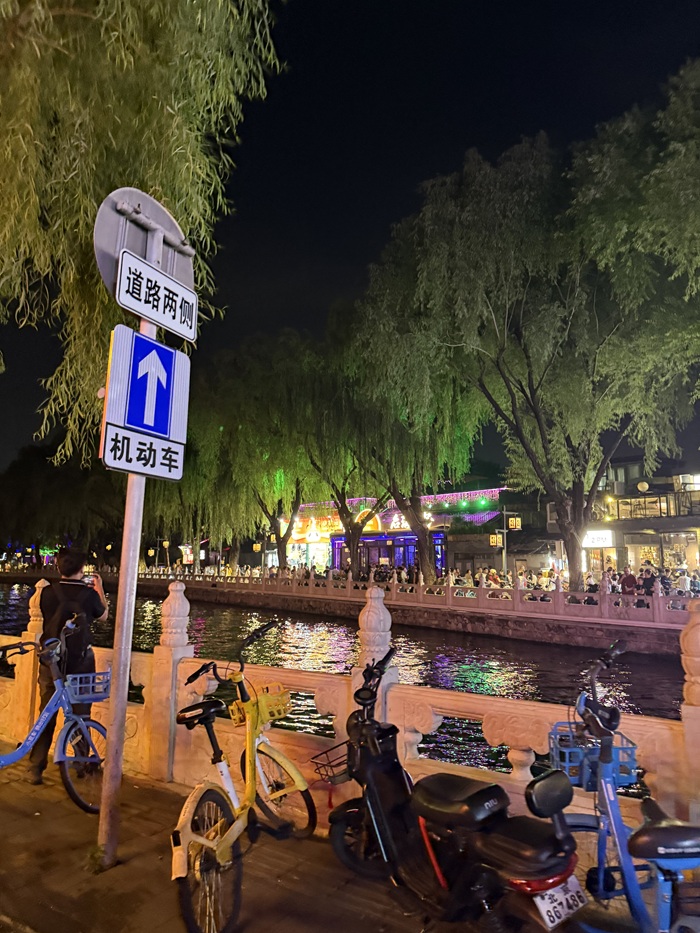
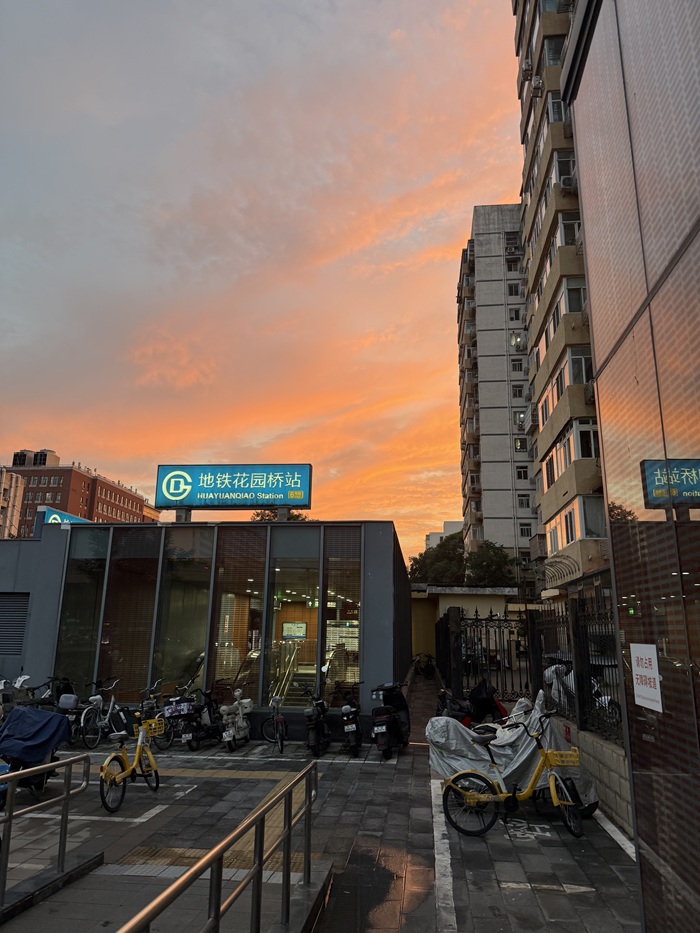
For shorter distances, you can consider using the bike-share system. Bikes can be found on nearly every street. Pictured above are blue and yellow bikes parked in a popular tourist destination. There are three main types of bikes that you will encounter in Beijing:
- Hello Bike (哈啰出行): These sky blue bikes can be easily unlocked using the Alipay app. Since I can’t unlock the other two types of bikes (due to logistical issues), I always opt for this bike. If you run into similar issues with unlocking bikes, my recommendation is to change to another company’s bikes.
- Meituan Bike (美团单车): These bikes are bright yellow, earning them the nickname “小黄” (Little Yellow).
- DiDi Bike (滴滴青桔): These bikes are teal and green and they’re operated by the ride share company DiDi.
DiDi
DiDi is China’s main ride-share platform that can be used directly through WeChat or through their own app. Calling a DiDi is extremely simple, and prices are super affordable. However, because traffic in Beijing can get really bad during peak hours, I usually use Apple Maps to compare transit times.
At the end of the day, getting around Beijing couldn’t be easier. Whether you’re cruising through the neighborhoods around CNU on a 2 RMB bike ride, hopping on the subway to avoid rush hour traffic, or calling a DiDi late at night for a few extra yuan, there’s always an option that fits your preferences.