Written by Diego Alberto Felix-Trejo, (University of Michigan), Student Correspondent for CET Brazil, (Social Justice), Spring 2026
A Note on Portuguese for Spanish Speakers
One thing that made studying abroad in Brazil less intimidating for me was already being a Spanish speaker. There is enough overlap between Spanish and Portuguese that it becomes easier to build confidence quickly, especially when you engage in conversation. I learned far more through daily interactions like ordering food, talking with my roommate, asking questions, and making mistakes! Brazilians were usually very patient, which made practicing feel much more comfortable.
At the same time, some words can completely trick Spanish speakers. Here are a few of my favorite examples:
Coco vs. Cocô: In Spanish, coco usually means coconut no matter how you pronounce it. In Portuguese, you have to be careful, coco means coconut but if you say cocô then the word changes to poop. One little accent mark changes everything, please don’t order poop water!
Borracha: In Spanish slang, borracha can refer to a drunk woman. In Portuguese, borracha means eraser or rubber material in general. Definitely a word that can create confusion in a classroom.
Embaraçada vs. Embarazada: In Spanish, embarazada means pregnant. In Portuguese, embaraçada usually means embarrassed or to be tangled up in a situation. Accidentally mixing these up could lead to a very awkward misunderstanding.
Calabresa vs. Calabaza: In Brazil, calabresa refers to a popular sausage commonly found on pizza. Spanish speakers may connect it to calabaza, meaning squash or pumpkin. The first time I saw “pizza de calabresa,” I wondered why pumpkin pizza was everywhere.
Esquisito: In Spanish, exquisito means delicious or exquisite. In Portuguese, esquisito means strange or weird. This is probably one of the most dangerous false friends because accidentally calling somebody’s food esquisito in Brazil is definitely not a compliment.
Learning Portuguese as a Spanish speaker feels like having a head start, but the similarities can also make you overly confident. Sometimes the words that sound the most familiar are the ones most likely to embarrass you!
Paraty and the Feeling of Transition
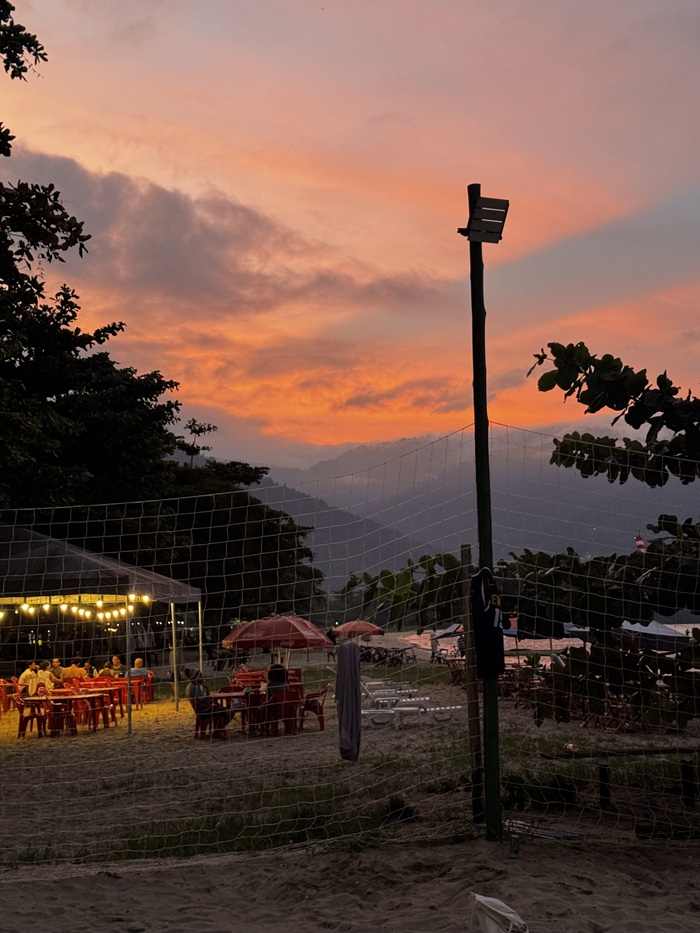
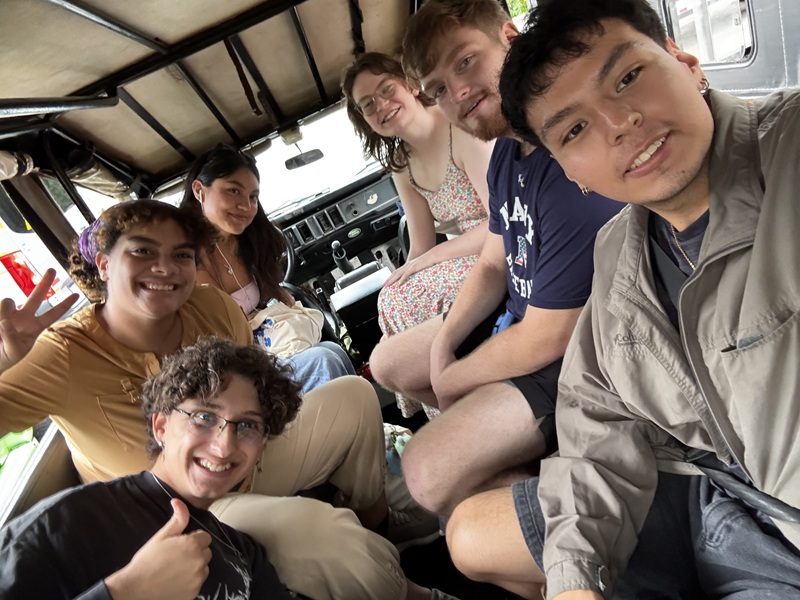
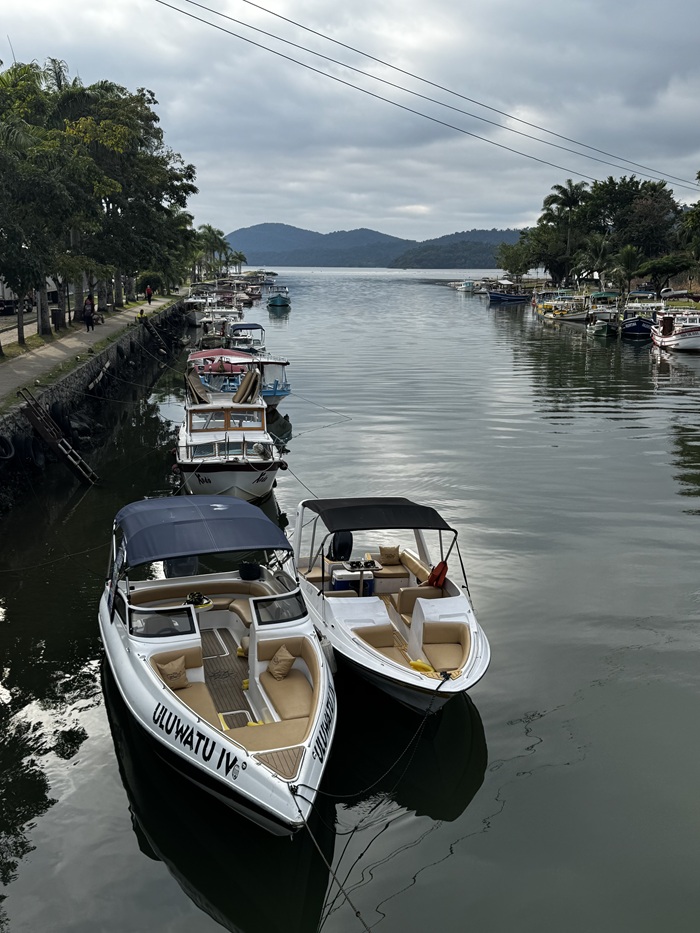
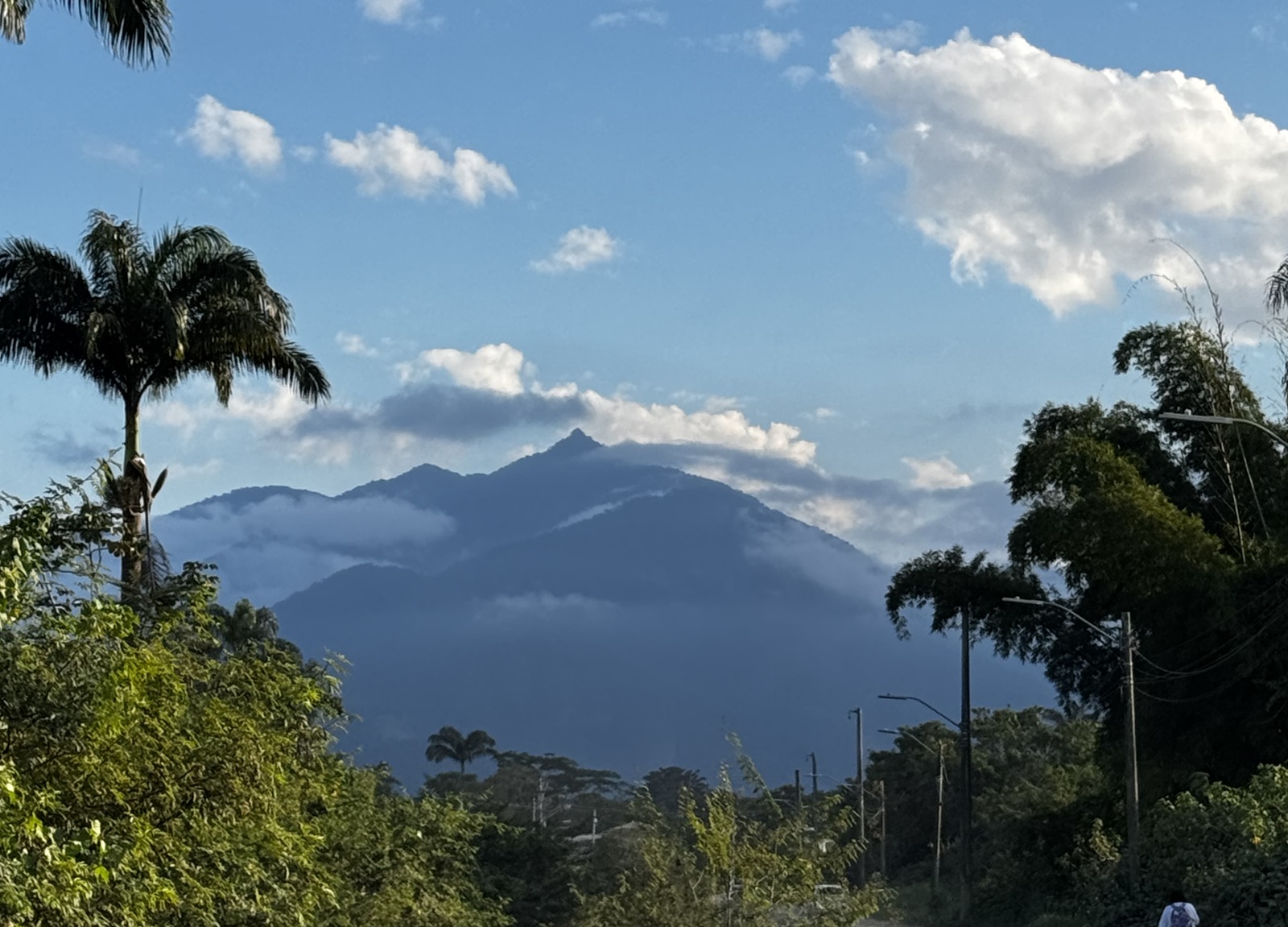
It’s the middle of May. As June 6th begins to feel less like a distant date, the semester is quickly coming to an end. This past weekend, the CET cohort had the opportunity to travel to Paraty, a historic coastal town in the state of Rio de Janeiro. Between the mountains, the ocean, and the preserved colonial architecture, Paraty felt completely different from the fast pace of São Paulo. It was quieter, slower, and in many ways gave me space to reflect on how quickly this semester has passed.
Studying abroad during your final semester takes preparation that goes beyond logistics. Of course there are the practical concerns: graduation plans, moving out, future jobs, and figuring out what comes next after college. But emotionally, it also means beginning the process of saying goodbye earlier than everyone else. While many seniors back home may only begin reflecting once commencement is a few days away, studying abroad made those feelings impossible to avoid. Living in another country while knowing that both the experience and my undergraduate years are ending at the same time has created a strange feeling of being in transition long before graduation actually arrives.
There is always the fear of missing out on “last semester” experiences back home. Yet being here has made me realize how valuable it can be to end college by stepping outside of familiarity instead of staying within it.
Learning Beyond the Classroom
Throughout the semester, Brazil constantly challenged my assumptions. In São Paulo, I learned how history, inequality, development, and resistance all coexist within the same urban spaces. In Paraty, those same themes appeared in different ways through conversations about environmental protection, tourism, traditional communities, and preservation.
Learning more about Caiçara communities especially stood out to me. Caiçara groups, who have historically lived along Brazil’s southeastern coast, maintain strong cultural connections to fishing, the sea, and communal traditions. At the same time, many communities continue to navigate tensions involving tourism, environmental protections, and access to traditional livelihoods. Hearing about these realities while actually being in the region made those conversations feel much more tangible than simply reading about them in class.
Local Culture in Paraty
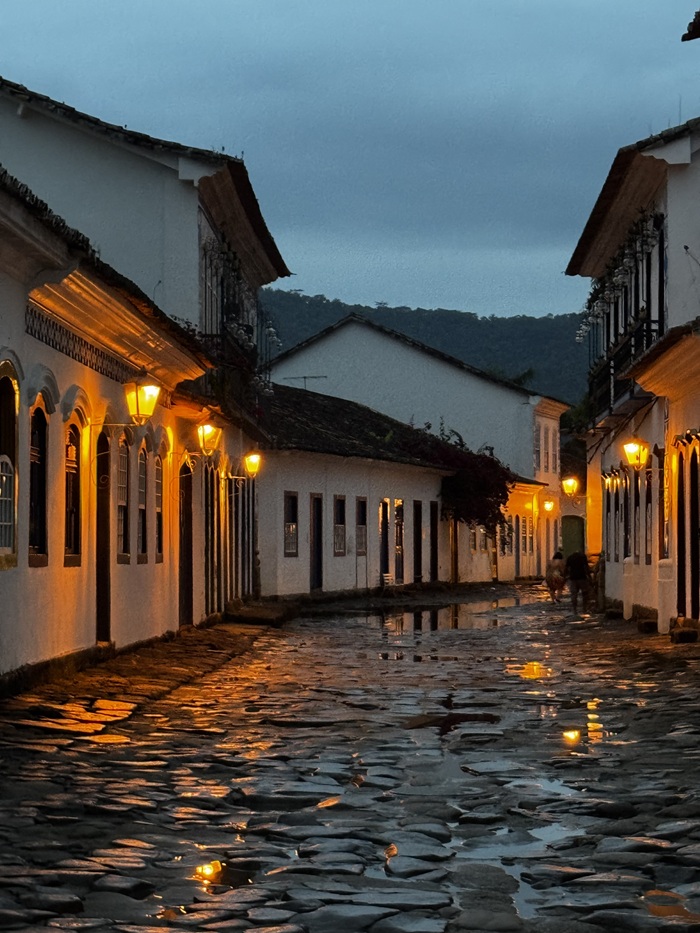
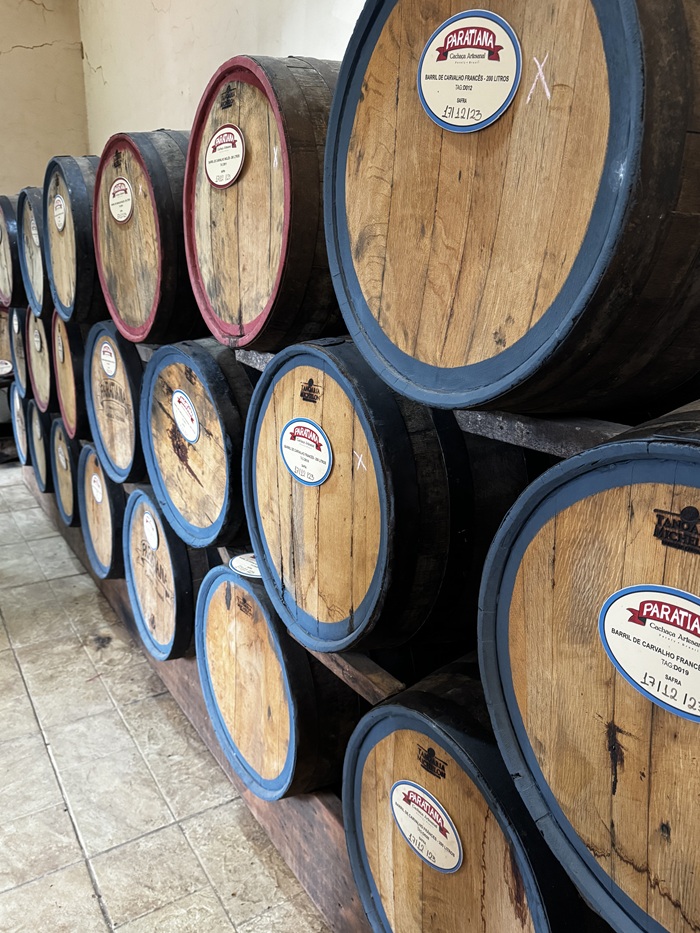
Outside of the academic discussions, Paraty’s local culture also felt incredibly alive. The beaches surrounding the town were some of the most beautiful places I’ve visited during my time in Brazil, with green mountains meeting the Atlantic coastline in a way that almost feels unreal. Walking through the historic center at night, there was live music spilling out from restaurants and people slowly filling the streets after the heat of the day faded. One local specialty that everyone recommended trying was Gabriela, a famous cachaça-based drink from Paraty made with cloves and cinnamon. It quickly became one of those small details that I now associate with the city itself.
A Semester Defined by Small Moments
Some of the most meaningful moments of this program were not major events, but smaller moments: struggling through conversations in Portuguese, navigating public transportation alone, and historic neighborhoods, or listening to people explain perspectives I had never considered before.
Paraty especially felt symbolic of this final stage. The city carries visible reminders of Brazil’s colonial past while also existing as a modern tourist destination shaped by globalization and environmental debates. Walking through the cobblestone streets and along the waterfront, I found myself reflecting on how study abroad changes your sense of time. You become more aware that experiences are temporary, which somehow makes everyday moments feel more meaningful.
When it comes to deciding whether studying abroad is worthwhile, my answer is easily yes. Even doing it during your final semester, with all the uncertainty that comes with graduation, has been worth it. If anything, ending college abroad forced me to reflect more deeply on what I learned, both academically and personally. Brazil became much more than a place I studied in for a semester. It became a place that challenged me to look deeper: at language, at history, at inequality, and at myself.