
Written by Kara Eng (University of Texas at Austin), Student Correspondent for CET Beijing, Fall 2026
A Dream-Turned Reality
I’ve always wanted to visit Taishan, my ancestors’ hometown–or 家乡 (jiāxiāng). But I never thought that dream could become a reality until my time spent here in CET Beijing.
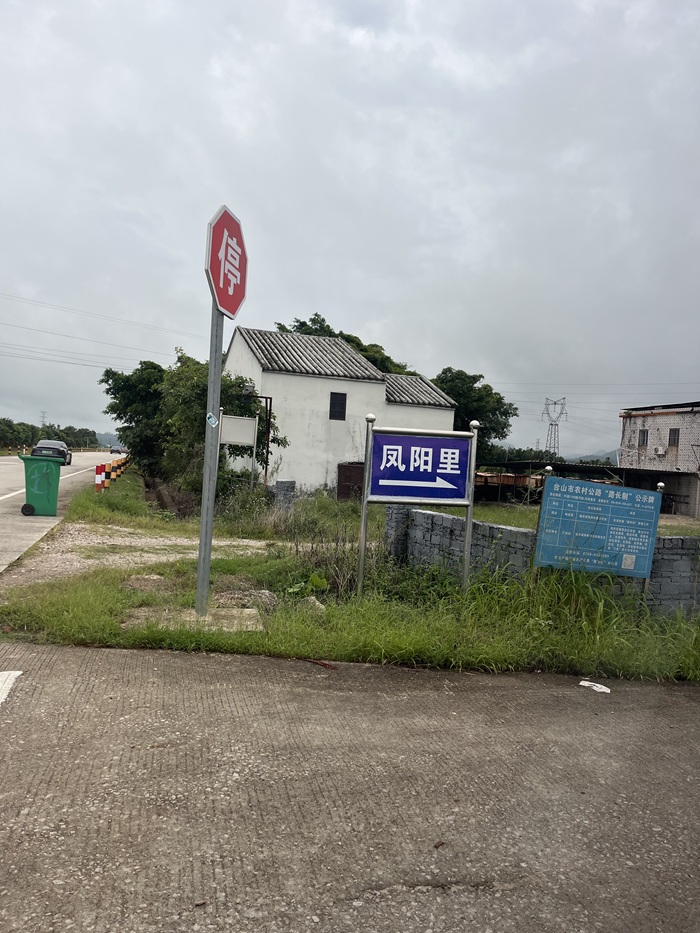
There’s a sort of divine experience you encounter when it comes to going back to your roots. It’s that surreal feeling lingering in your chest as you disembark the bullet train (高铁–gāotié) and set foot in Taishan (台山). I flew 7,000 miles from the U.S. to Beijing. Then, traveled another 1500 miles out from Beijing to Guangzhou, and took a 45-minute taxi ride to the countryside of Taishan. Here, we finally pulled up to the brick-and-mortar structure that my great-grandparents once called home: 凤阳里 (Fèng yang lǐ).
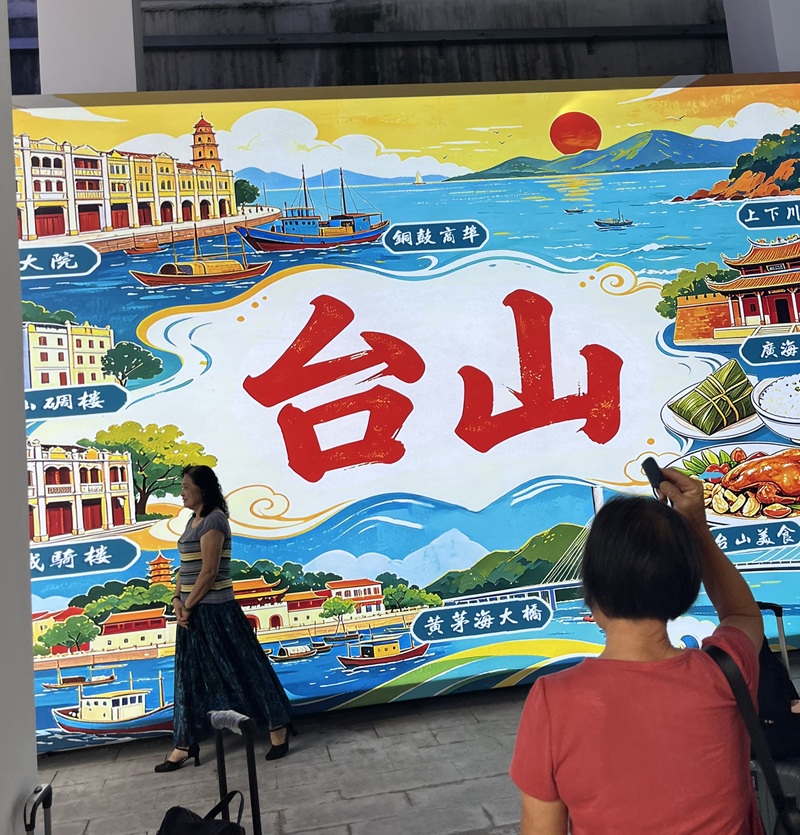
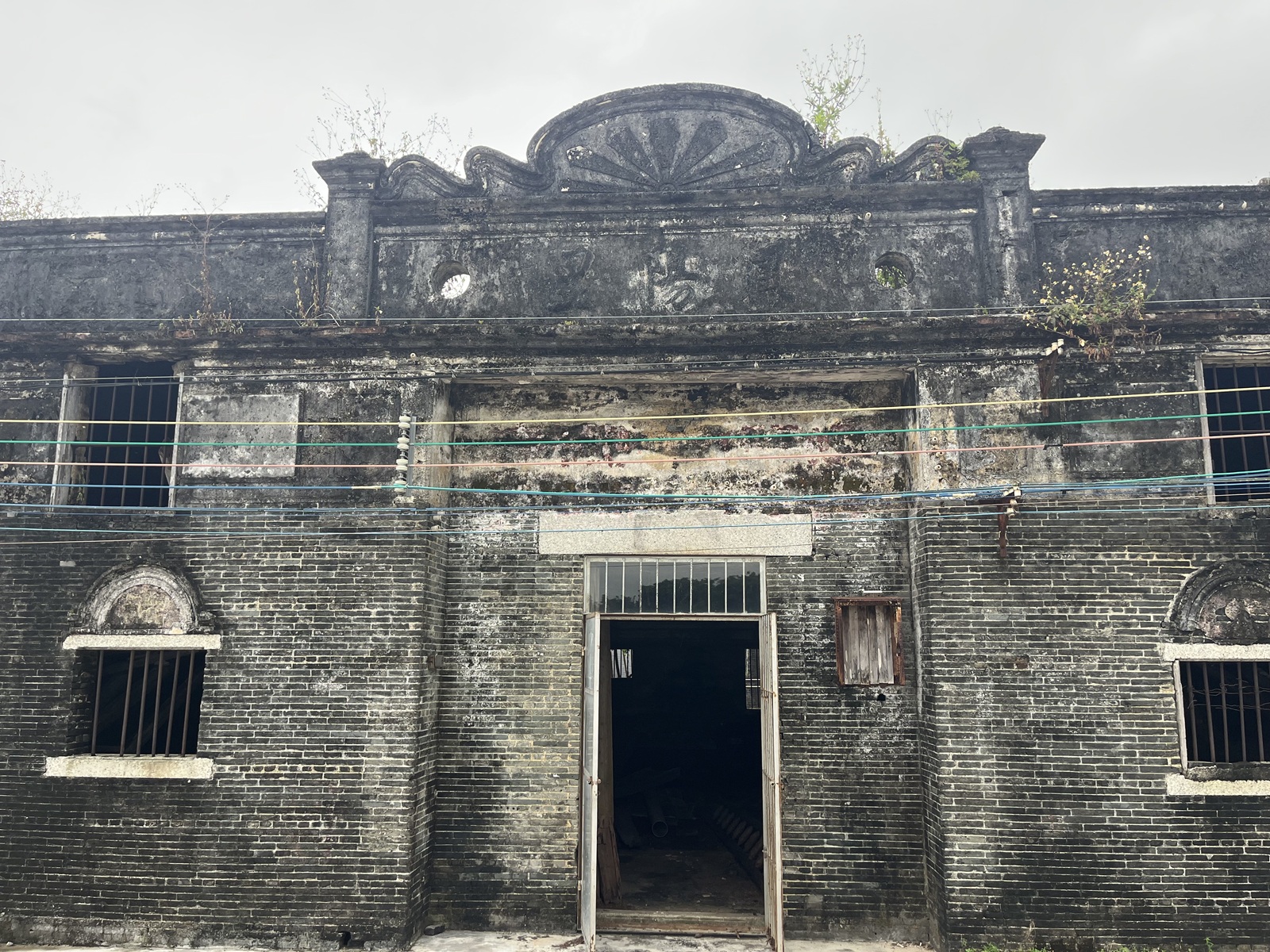
For me, learning more about my cultural heritage and my ancestors’ “why” behind immigrating to the U.S. in pursuit of the American Dream has deepened my appreciation for the same legacy and tradition that I want to continue. In a way, it also gives me a better sense of cultural and familial identity. Going back to Taishan meant I could vicariously relive the past and experience a sense of grounding.
When we finally arrive, I exit the car, standing on a mixture of dirt and makeshift concrete tiles wedged together. I do a 360, surveying the mist-covered mountains overlooking a deep green expansive landscape. I clutch a plastic bag of Beijing snacks, sagging heavily against my hand. Everything feels so surreal.
Though the encounter was brief, this once-in-a-lifetime experience left an imprint on my heart. FaceTiming my grandparents as they translated Taishanese into English for me, drinking tea from tiny, clear plastic cups with distant relatives for the very first time, and walking through the tiny rooms where my great-grandparents and grandparents once lived– all of it felt like an unconventional, semi-impromptu family reunion!
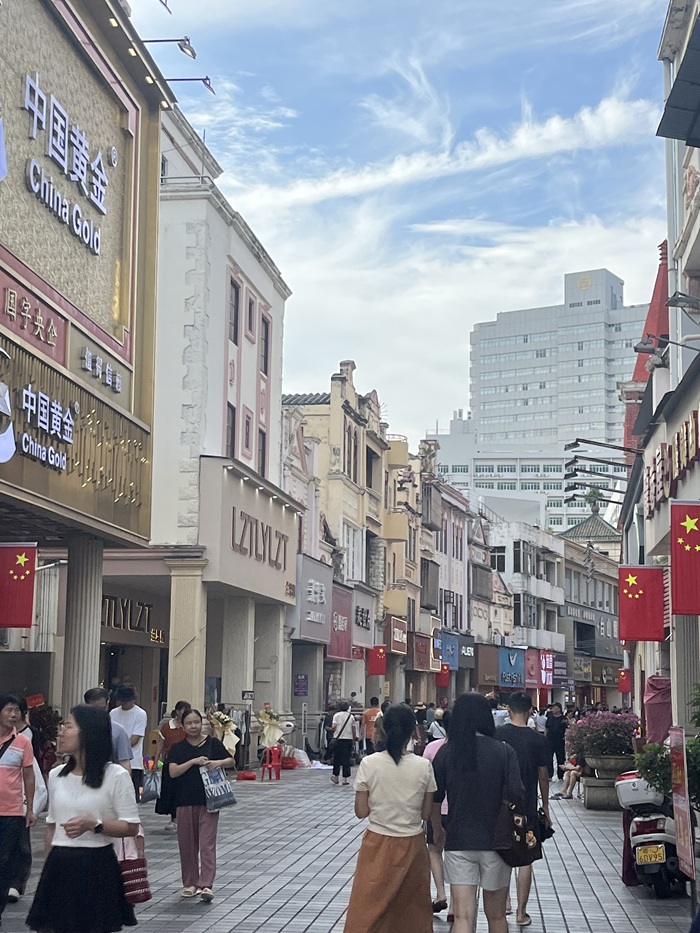
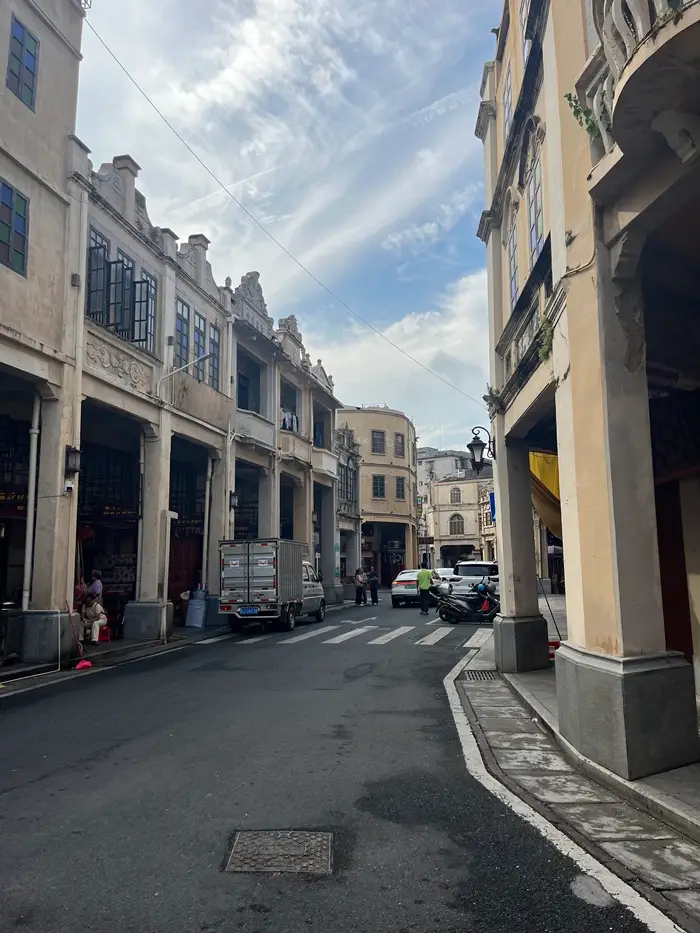
Following the “reunion,” we ventured through the heart of 台山市. Taking in the sights of the European-style architecture (骑楼 – qílóu) laden with colorful stained-glass windows, snacking on both traditional and trendy street foods, and hearing my ancestors’ native dialect, I felt right at home. Given the city’s historical significance and contributions spanning across generations, I take pride in its beauty, especially as a Taishanese ABC.
The blend of both cross-cultural and cross-generational influences scattered across the city continues to spark an eager curiosity in me. With my goal of becoming a bilingual speech-language pathologist in the U.S., my hope is to bridge the two cultures together with a common language: Chinese. And being in 台山市 accomplished just that. It helped me embrace the cross-cultural beauty of both worlds, this time in China and from a historical perspective, spurring me on to continue such profound legacies.
Effective Methods That Improved My Chinese Outside the Classroom
Chat with locals! 跟当地人聊天儿!
Now, you and I both know that the best way to truly improve your language proficiency comes not from the classroom, but outside of it. And what better way to improve than by practicing conversations with locals here in the heart of Beijing, China? Every week or so, my friends and I make plans to visit and jog around the beautiful 玉渊潭 公园 (yùyuāntán gōngyuán). With peaceful backdrops, lush greenery, gentle breezes, soft and dim lighting, and bustling vendors along the paths, what better environment to have conversations with the locals of Beijing?
I will say, though, be prepared to meet some 北京人 whose warm hospitality might also come with thick Beijing accents–北京口音 (běijīng kǒuyīn)! Aside from that, not only did we gain insight into their lives (and enjoy generous offerings of their homemade snacks), but we also walked away with some new Chinese vocabulary!
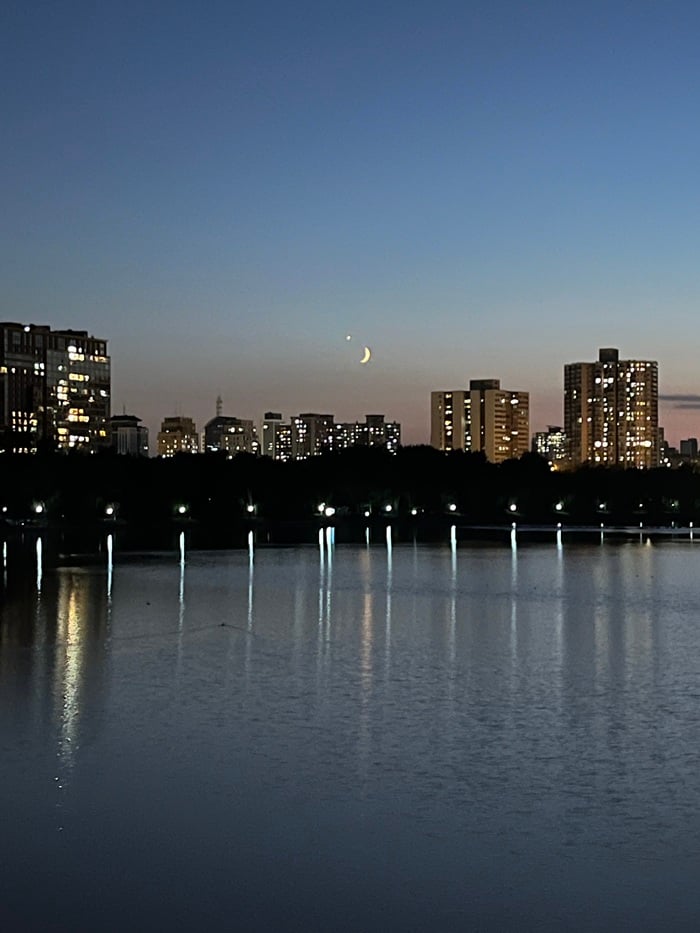
When we mentioned that we’d be visiting the Great Wall, the 阿姨们 (aunties) replied, “不到长城非好汉”–“He who has not climbed the Great Wall is not a true man.” So now, whether at the Great Wall or in simply hearing it in passing, I now tie this quote’s significance to the brief, yet meaningful encounters I’ve made with the local Beijingers along the way.
Travel with your roommate! 和室友一起旅行吧!
Anyone who knows me knows that I am an absolute MATCHA fanatic. Trust me, I liked matcha BEFORE it was trendy. And let me just say, I think I have the best roommate. I even told her myself: “你是最好的室友!–you’re the best roommate!” When she came across a weekend-long matcha fest, let’s just say she did not have to ask me twice!
On our way there, we commiserated over our shared language challenges (for me–Chinese; for her–English). We also chatted about pop culture, Chinese and U.S. cultural differences, our favorite foods and cultural traditions, and even politics! I would highly encourage you to spend the occasional weekend with your roommate!
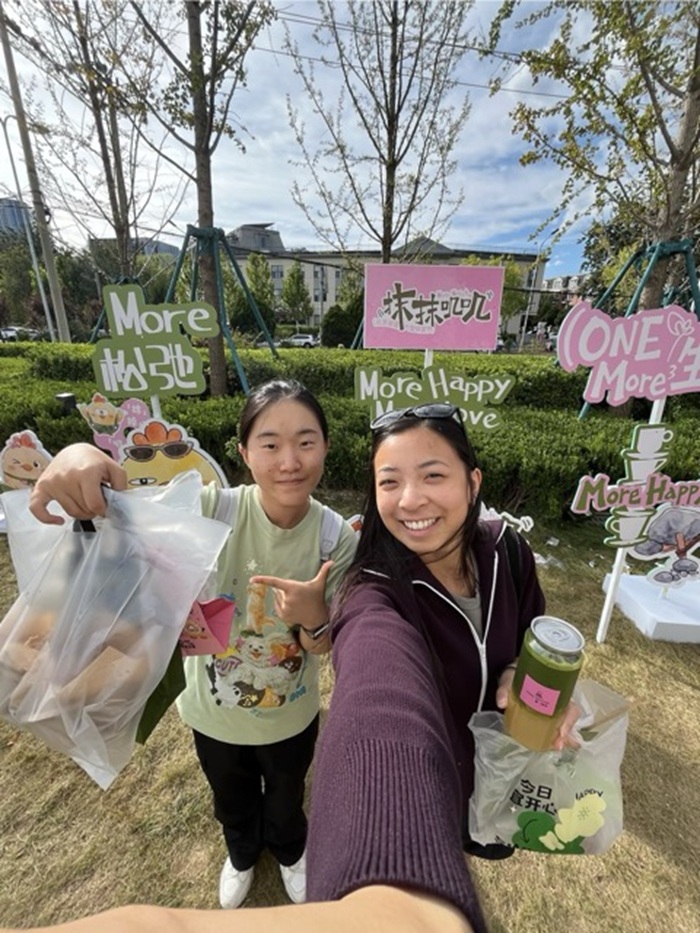
I appreciate how kind, sweet, thoughtful, silly, and helpful my roommate is. She intentionally carves out time to spend with me on the weekends when we’re both free, despite our busy schedules. Not only have I been able to converse in Chinese with my roommate, but we’ve also been able to forge a friendship that I wouldn’t have formed in the U.S.!
So if you’re ever considering studying abroad with CET, I encourage you to advantage of these unique opportunities–whether you’re Chinese-American and want to dig a little deeper into your historical and cultural roots, improve your Chinese language proficiency, visit both trendy and historical sites, or all of the above!