
Photos taken by Yunhan Liu (Yale University), Student Correspondent for CET Beijing, Summer 2026
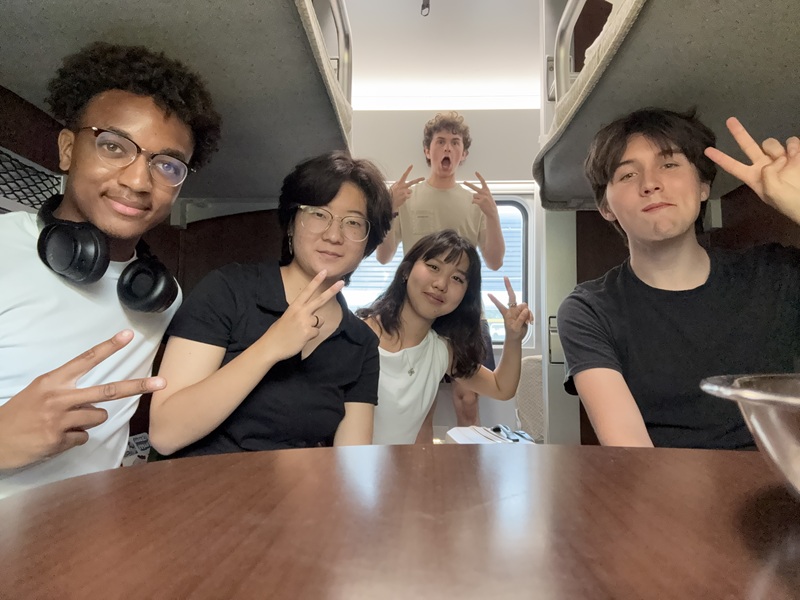
About a month into our program, CET Beijing took us to Chengdu for our Traveling Seminar. Our trip started with a 22-hour train ride from Beijing to Chengdu. While many people know about China’s high-speed railway system (most commonly known as the gaotie), slower trains are still a common option for travelers.
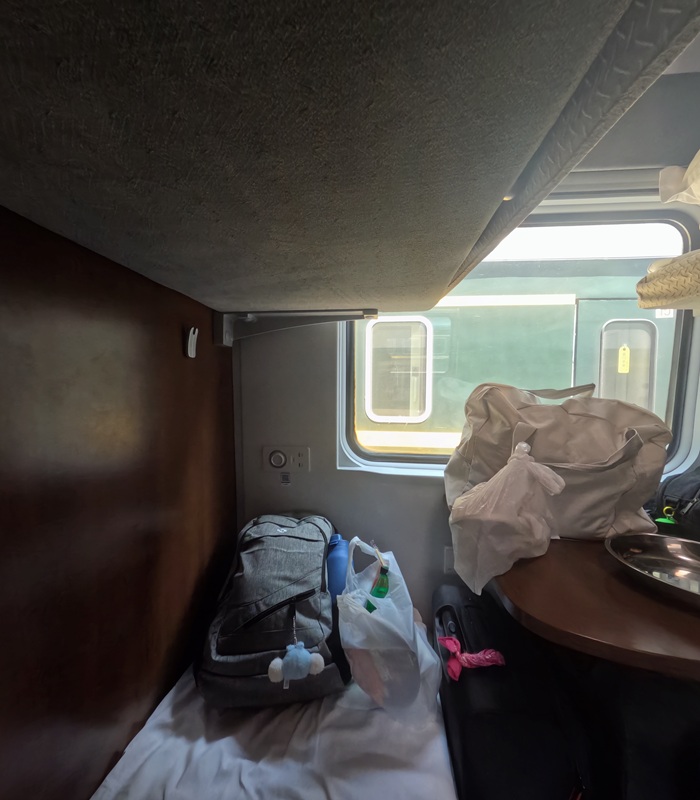
I think that the gaotie can get you from point A to B in a short amount of time, but what it can’t do is show you what it means to have unforgettable memories and bonding experiences on a train. It almost felt like we were all having one big sleepover on the train—everyone was conversing in Chinese, sharing snacks, and playing card games. We slept in 3-tiered bunk beds with two bunk beds per cabin.
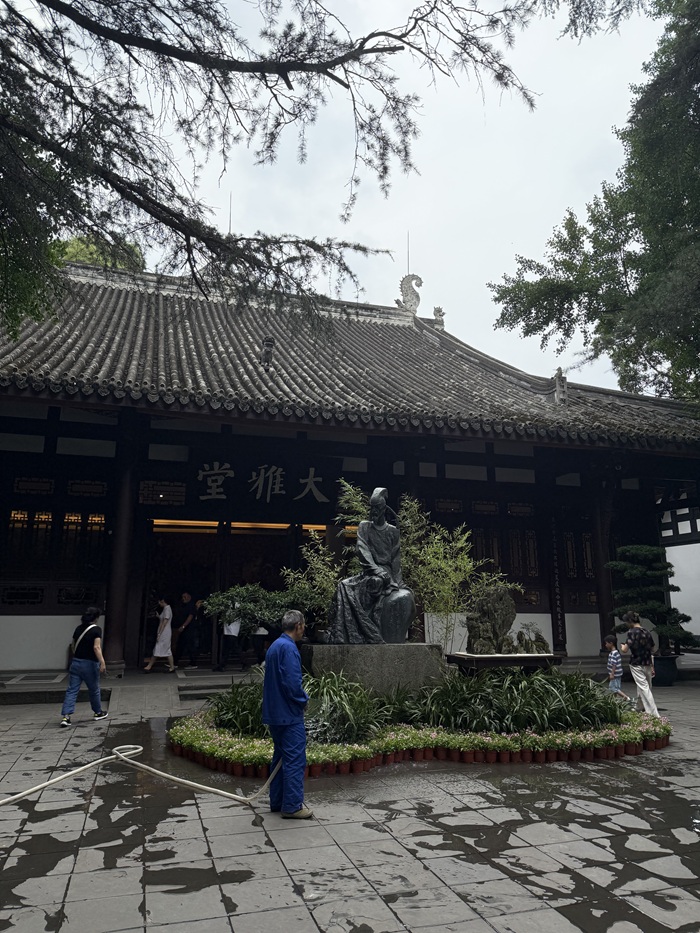
Du Fu Thatched Cottage
In preparation for our Chengdu trip, our teachers taught us about the history and culture of Chengdu as well as notable places we would visit. One of these places was the cottage of Du Fu, a Tang dynasty poet known for his raw portrayal of the human experience. His cottage brought us all a glimpse of his calm years in Chengdu when he wrote some of his most memorable poetry.
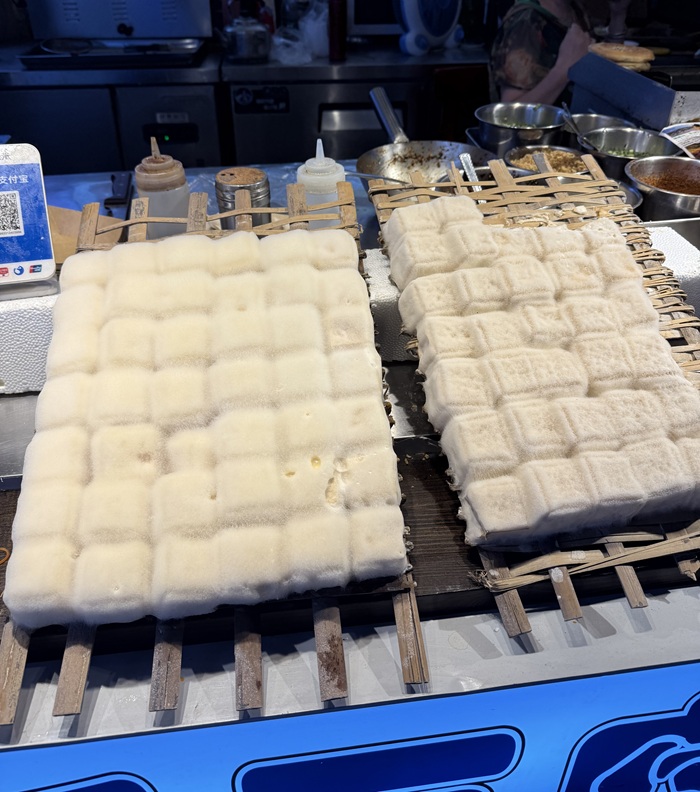
While exploring the streets of Chengdu after dinner, we saw hairy tofu, or 毛豆腐, a type of fermented tofu that can be made into a type of bean curd after further processing. The surface of the tofu is covered in a layer of soft, white fur.
Seeing Giant Pandas
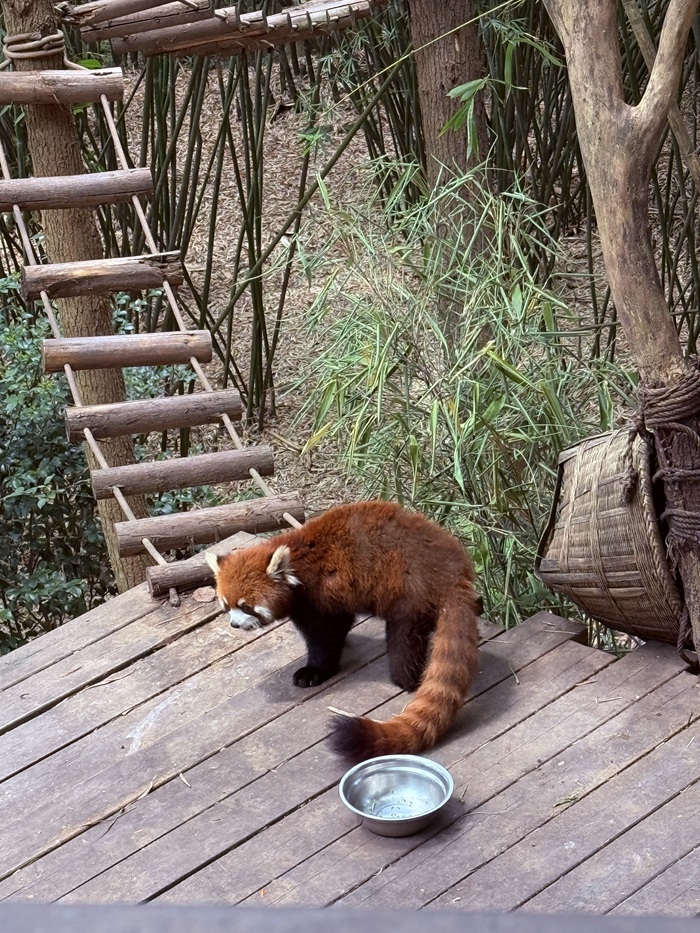
We saw red pandas while visiting the Chengdu Research Base of Giant Pandas. In Chinese, red pandas are called 小熊猫, or little panda. Fun fact: red pandas and giant pandas do not come from the same family.
Rural Life in Chengdu
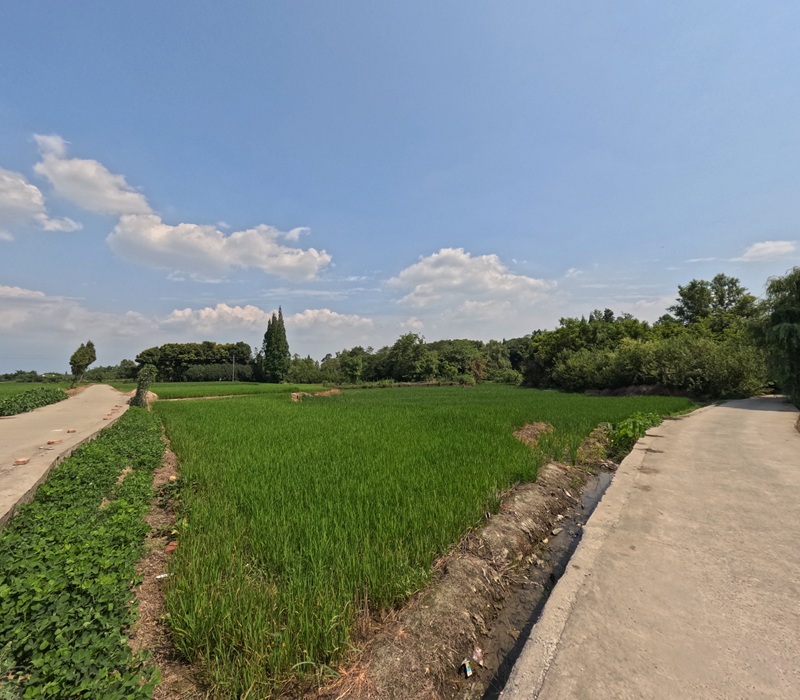
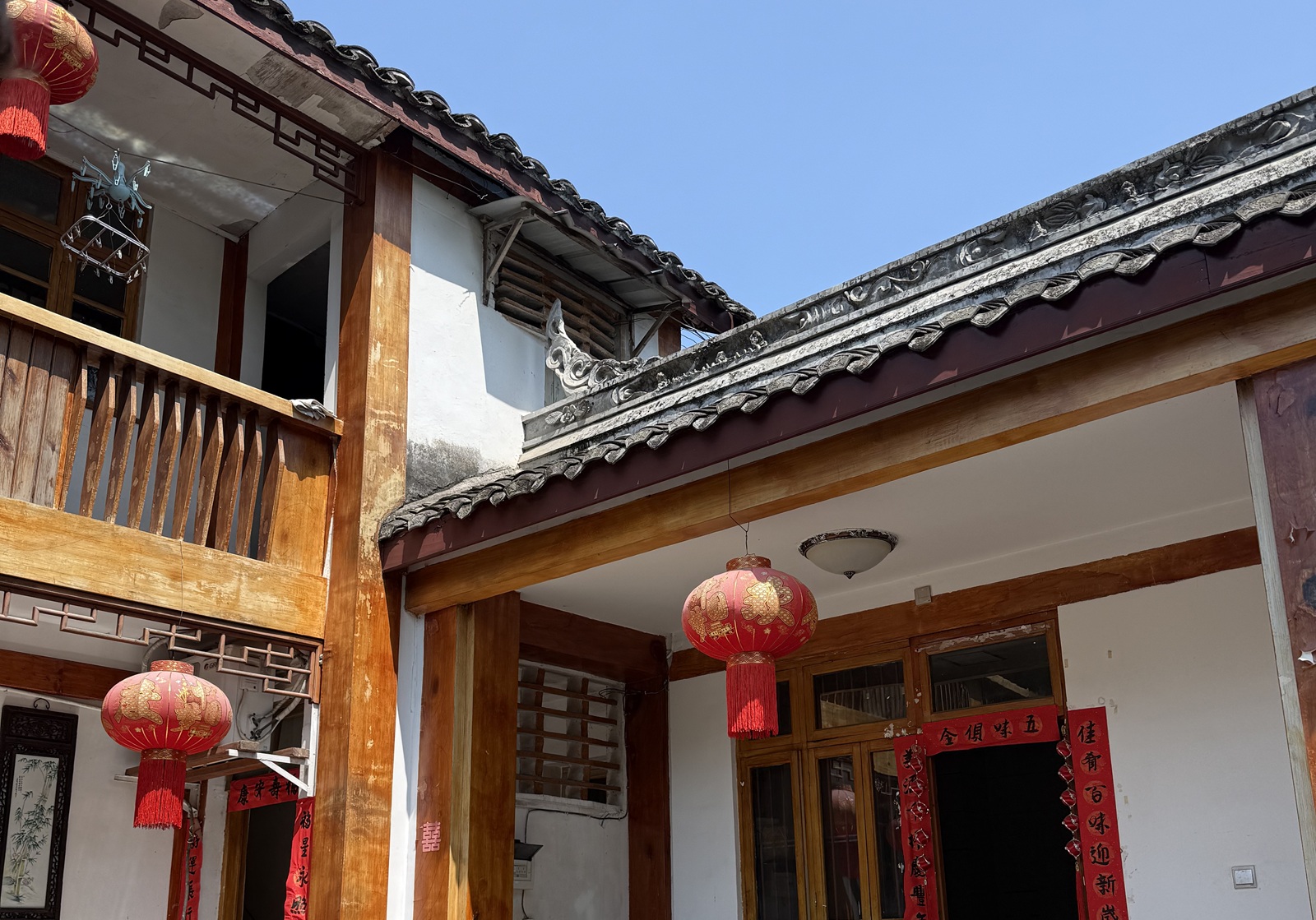
Visit to the countryside of Chengdu. We visited the rural countryside of Chengdu to see the archaeological site where 三星堆, an ancient Chinese civilization was discovered. We spent the day at a farmer’s home doing various activities such as making dumplings, playing mahjong, and exploring what rural life is like in China.
People’s Park (人民公园)
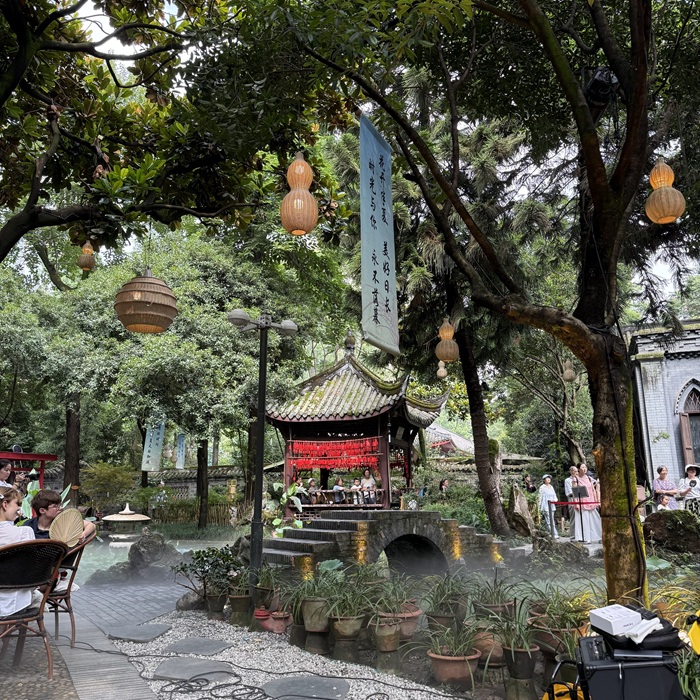
Drinking tea and enjoying traditional Sichuan performances at People’s Park, a major historical and cultural site in Chengdu that was founded in 1911. Today, the park even has a bustling, open-air matchmaking corner where parents post handwritten or laminated profiles of their adult children in hopes of finding a suitable spouse for them.
In the end, no matter how much we studied and prepared for Chengdu in the week before we arrived, nothing could have truly prepared us. Its charm isn’t something that lives in words or poetry, in lessons or stories; it lives in the food, the architecture, the shop owners, students, and locals that you’ll meet. Some places you can learn about. Chengdu, you have to fall in love with.