
Written by Reign Williams, (Syracuse University), Student Correspondent for CET Brazil, (Social Justice), Fall 2025
When I first arrived in Brazil, I thought I was well prepared for anything. The language, the food, and even the bus system! What I was not ready for was the exchange rate, although cheaper than the dollar, the reais start to add up! Studying abroad takes a special kind of budgeting. Budgeting abroad means making sure you’re still enjoying your time abroad and gaining new experiences while simultaneously making sure your bank account stays happy.
The more time you spend abroad, the more comfortable you get with the currency and realize what is truly affordable and what is a “gringa price.” Although my budgeting has not been perfect these past four months, I want to share what works for me and things to keep in mind when going abroad to get the best bang for your buck!
Tip #1: Go Local

When I first arrived in Brazil, I made sure to obtain some of the local currency, Reais. Using the local currency gave me a chance not only to use these different colored bills but also benefit from many deals. Similar to a lot of places in the United States, card payments often have an increase in payment.
In addition, using an international card sometimes gets an extra fee as well. Although these fees are not super expensive, it’s nice to simply avoid them by using Reais. Smaller vendors often do not take card payments. Local vendors on the street or in smaller shops don’t always have a card reader, or an international one, which makes paying with a card a little more difficult for both parties. Using cash payments are sometimes easier for the locals when receiving their payments.
Something else found here and is similar in the States is a card minimum. Little carts and stands that sell quick useful items on the street sometimes have a card minimum. Even if you only want one item you might have to purchase a few more to make a card purchase. These credit minimums are never super expensive but it’s an easy way to budget when you can avoid buying extra items you don’t need.
Lastly, sometimes vendors give you incentives to use Reais. Often, vendors will tell you a cheaper price for paying in Reais but a more expensive price for a card. Sometimes this is because of the extra fees but it can also be for convenience. I eventually ran out of the cash I came with from the states but there are cash exchange places in malls and even ATMs that take international cards! There are ways to obtain the local currency even when abroad and that can potentially lead to a cheaper experience!
Tip #2: Secondhand Wins
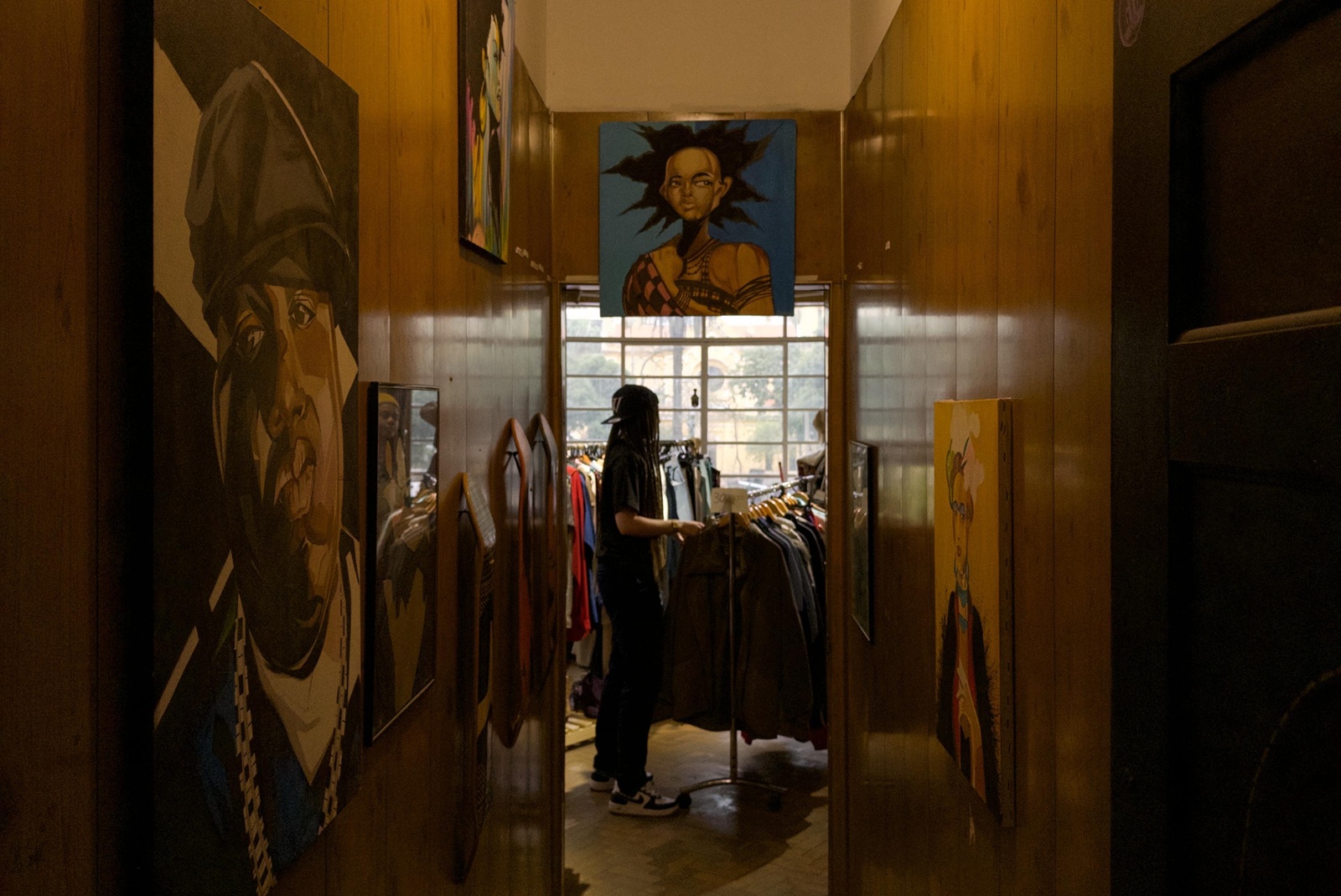
If you packed like me when going abroad, chances are soon that you’ll have to go shopping. Even though I thought I brought everything, I still forgot so much. When I first got to the malls in Brazil, I discovered that the price of the items were slightly expensive. Thinking of where to go to get one or two clothing items or specific pieces for outfits first challenged me. I was not seeing the specific items I was looking for and began to give up on shopping. It was not until a friend mentioned to me he would be going to a thrift store that I began to gain hope again.
Thrift stores abroad are incredibly affordable! Not only do they have older pieces that give a cute vintage look while abroad, but you see so many other items you might not see in name brand stores. Often, the people running the thrift stores are very friendly and assist you with anything you may need. When I go to thrift stores, I take it as an opportunity to get better deals on close and practice my Portuguese! A lot of my favorite items brought in Brazil came from local thrift stores and other secondhand stores in my area.
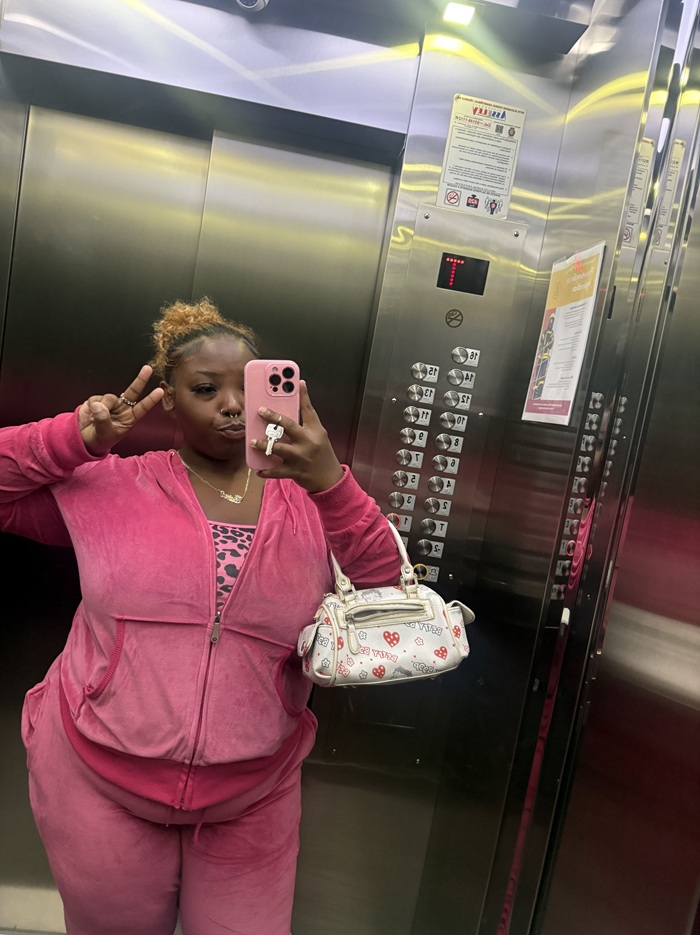
The best part is, many times what is trending in the states is not always trending here. Brands you would never see in a thrift store in the States are here in an abundance here! Thrift stores also allow many vendors to sell their own handmade items for good deals as well. I have seen many thrift stores have sustainable clothing or recycled fashion items. Not only is it better for the environment to buy secondhand items, but also for your pockets!
Tip #3: Cooking for Keeps
I will admit, when I first got to Brazil, I avoided the kitchen quite extensively. I was overwhelmed with the new food choices and all the different types of cuisine Brazil has to offer. About a month in, I realized a lot of my money was going towards eating out. I had to be better about budgeting and so I started cooking!
CET Brazil apartments come with kitchen items stocked so it was not hard for me to get started. Going to the grocery store originally sounded intimidating because of my beginner level of Portuguese, but eventually I faced my fear and did it anyway. Many of the pictures helped me get what was needed, however, my Google Translate came in handy when the pictures didn’t.
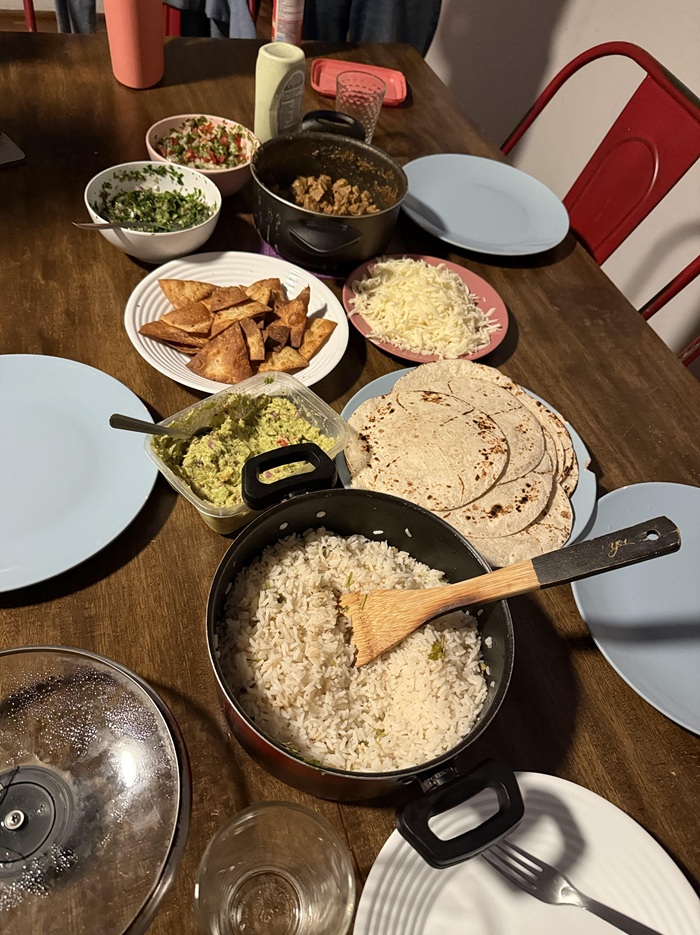
Brazil grocery stores are a little bit different as they don’t have everything the States do. Still, it was fun to grocery shop and find substitutes for things found in the U.S. I also took this as another opportunity to practice my Portuguese; now, going to the market to get my items for dinner isn’t as scary as I once thought it was.
The markets also have great sales on the items, simply just using your number or identification, can get you some money off of your grocery bill. Because of the currency difference, grocery bills end up being a lot more affordable than at home so I have chosen to take advantage! Eating out is fun and I still do it from time to time with a balance of cooking at home as well. Having meals at home is just as fun and interactive!
My apartment often does “family dinners” and sometimes we even invite other people from the cohort from different apartments! Cooking at home has given me the opportunity to save money and not waste so much on eating out while also helping me sharpen my skills in the kitchen. Now, I try to limit my eating out to 3-4 times a month. There are still many restaurants that have great food and cheap eats as well but cooking definitely helps keep the money in your pocket.
Tip #4: City Mobility
Getting around São Paulo is easier than I first thought. Coming from a city like New York, hearing that SP was bigger intimidated me. Because Ubers were easy and convenient, I disregarded the public transportation and what it had to offer. I thought that it would be incredibly difficult to navigate and be a hassle. However, I find it to be quite the opposite!
Due to CET Brazil’s convenient program location, I find myself to be by many bus stops and not too far from the train station. Once I started taking public transportation, I realized that it wasn’t as inconvenient as I thought it would be. After the first couple of times I got the hang of it and was able to follow along so I could get to my destination.
While Ubers take you directly to and from your destination, there is no sense of adventure in between. What I lacked in the Ubers, I got in taking public transportation. Taking the bus means I see more places and businesses which gives me ideas of where to go or what to check out. The bus is pretty affordable only being 5 reais while Ubers are usually minimum 20 reais no matter the destination. In SP, there are also bus lanes that allow for the buses to get places quicker and more efficiently. Ubers, however, get stuck in traffic and often may take longer than public transportation. This makes the bus incredibly convenient, because traffic here gets hectic!
Taking public transportation allowed me to also find out cool new facts about the city I have been living in! For example, when taking the train, I was informed that trains in SP are automatically run by computers! Although this was a scary thought at first, it was very cool to see and ride a train with no conductor! As a person who has been taking the MTA Subway all my life, I could not even fathom an automatic train! These however, are cool experiences I would have never got if I didn’t leave the Ubers behind and start riding the bus and train.
As if I needed to be convinced more, buses on Sunday’s are free! This is an incredible opportunity to explore the city and waste absolutely no money on transportation. Depending on the distance, I still will purchase an Uber, but I have found that I have the best range of mobility in the city when I am on public transport.
Tip #5: Price Talk
Before coming to Brazil, many people told me that in different countries bargaining is extremely popular. I took these conversations with a grain of salt and never thought about them seriously. Nonetheless, it was not until I arrived in Brazil that I saw how right they were. I have learned in my time here that if something does not have a price on it, you can bargain for one of your own! Sometimes, even with a price tag you can still bargain and pay a lower price. In my early days here, I was experiencing “gringa prices” or “gringa tax.” This is something my cohort and I use when we refer to someone upcharging to us once they figure out we are not Brazilian locals. Most of the time the price increase isn’t insanely expensive, but other times it is just incredibly unreasonable prices. Thus I give to you my last tip, bargaining!
As my days come to an end in Brazil, I think the tip that helped me the most was this one. Once I was confident enough to ask for deals or bargain to get a cheaper price, it started to work! Street and beach vendors, for example, is where this works best. Often my cohort and I are able to get really good deals for multiple purchases. Bargaining does not always work and vendors won’t always say yes. but it’s worth a try! Many other locals like to bargain as well so you won’t be an odd one out, trust me.
The longer I have been here, the more I have a grasp on the price of things. In my personal experience, I only bargain when I find that something I want is more expensive than the average price. Nine times out of ten the person will accept the bargain or tell you another price is still less expensive than the first. Bargaining has definitely helped me save a little bit of pocket money and has helped me avoid paying more than I should for items. In all the tips mentioned above, besides the bus with a fixed price, I was able to sometimes negotiate for cheaper items for my friends and I. Just remember, money talks!
In being more mindful about money, all these tips have helped me and my friends the most! Of course, going abroad is incredibly fun and an opportunity of a lifetime but that doesn’t mean you have to go broke while doing it. I think the most important thing to remember is your life at home. Once I started modeling my life abroad like my home life, things got a lot cheaper. It is important to make memories and try new things, but also not to spend all your money in one place or sitting. Budgeting abroad is hard but not impossible and hopefully with these tips you have a better grasp on finances for your next trip abroad!