
Written by Isabella Moss, (Oberlin College), Student Correspondent for CET Brazil, (Social Justice), Fall 2026
To be completely honest, the elections were not on my mind when I signed up to study abroad in Brazil, but it very quickly became one of the most important aspects of my time here. I knew a little bit about Brazilian politics ahead of time, but my classes—most notably my Brazilian Politics and Society class taught at PUC, our host university—have provided me with a breadth of knowledge that I wouldn’t be able to achieve by simply reading the news.
For a bit of background, Brazil held their general elections in October of 2026, among which was the very tight race for the next Brazilian president. The race was between incumbent president Luiz Inácio “Lula” da Silva of the left-wing Partido dos Trabalhadores (PT), or Workers’ Party, and Flavio Bolsonaro, the son of the former president Jair Bolsonaro, both of the right-wing Partido Liberal (PL), or Liberal Party.
The first round of elections were held on October 4th, 2026, and the second round on October 25th, 2026. Bolsonaro led the first round, holding 47% of the votes, but Lula won in the runoff election with more than 51% of the votes, a historical comeback. This will be his fourth non-consecutive term as president. Since arriving in Brazil, I have gone to a few political demonstrations and rallies to stay engaged with the current political climate.
Salvador, Bahia
September 29, 2026
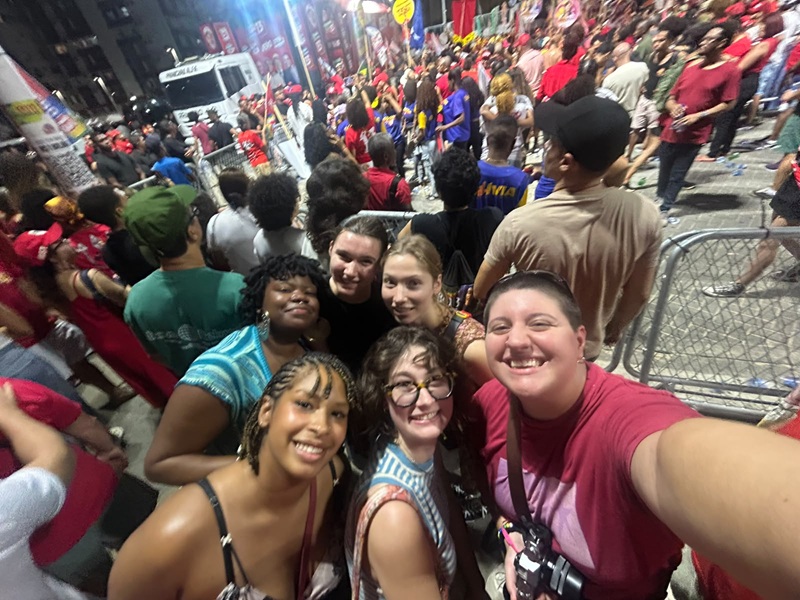
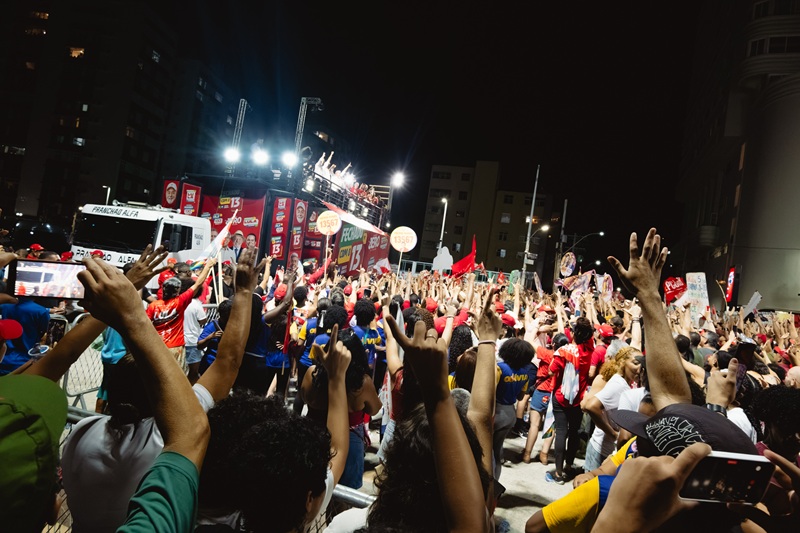
I was heading to dinner with some friends during our Traveling Seminar to Salvador, Bahia, when we stumbled upon a Lula rally where he was present at. What a surprise! This was a few days before the first round of elections. The energy was quite high, and everybody was filled with hope. We were able to catch the tail end of his speech where he talked about the importance of education.
Avenida Paulista: The Democracy March
October 11, 2026
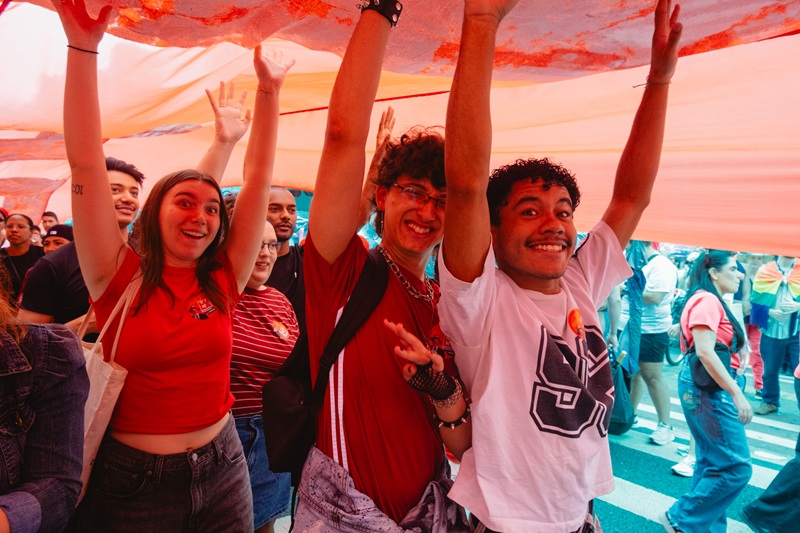
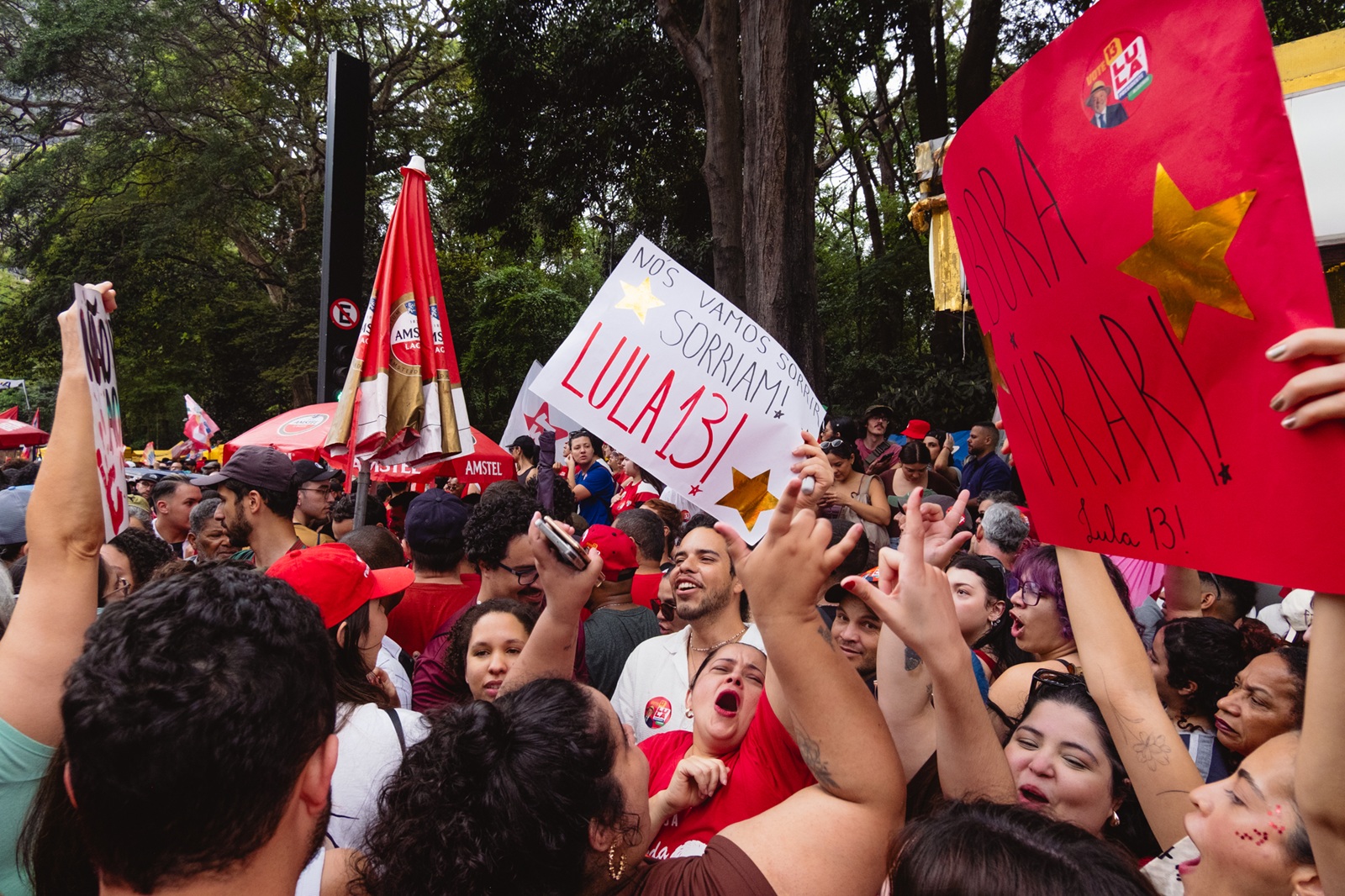
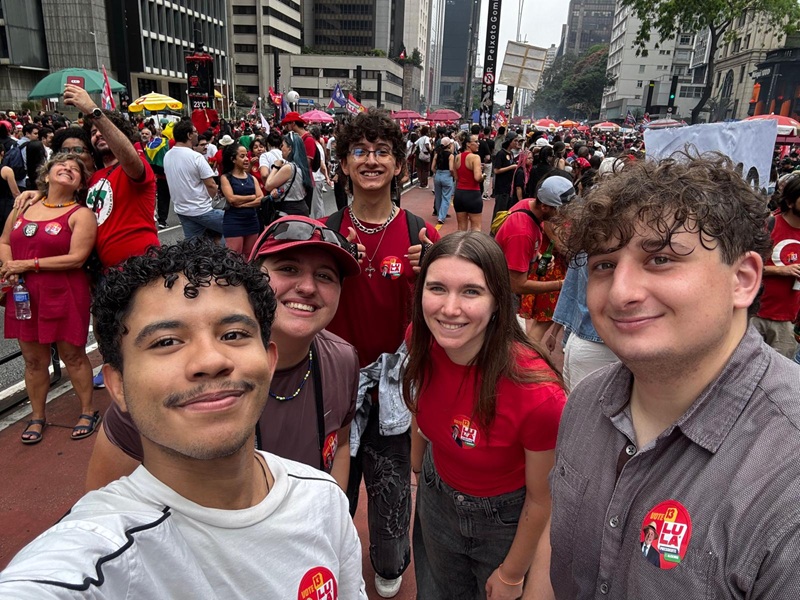
The Democracy March initially started as a student-organized protest and quickly grew to become the largest street rally of Lula’s re-election campaign thus far. Over one-million individuals took to the streets, including me, my friends, and Brazilian roommates.
Lula was also present at this rally alongside other government officials such as Erika Hilton, a member of the Chamber of Deputies and an activist for Black, LGBTQ+, and women’s rights. During Lula’s speech, he stressed the importance of the youth. He also encouraged the elderly to vote with their children in mind.
PUC-SP Pela Democracia (PUC-SP for Democracy)
October 22, 2026
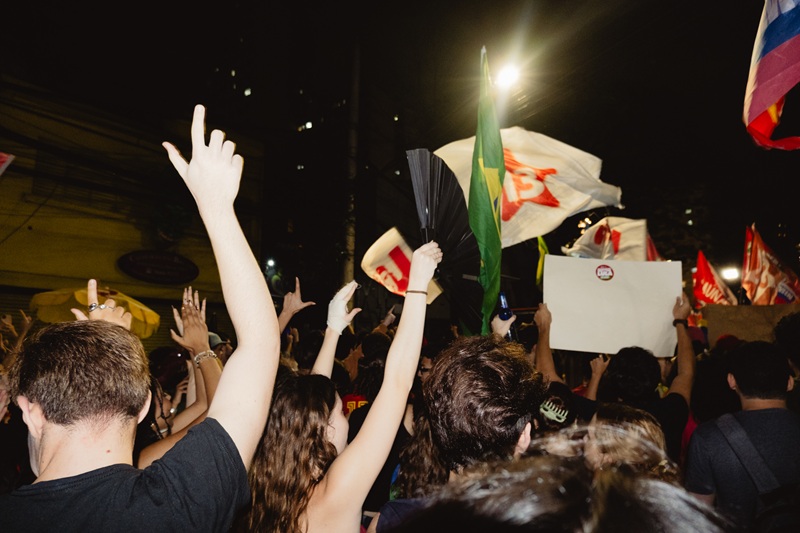
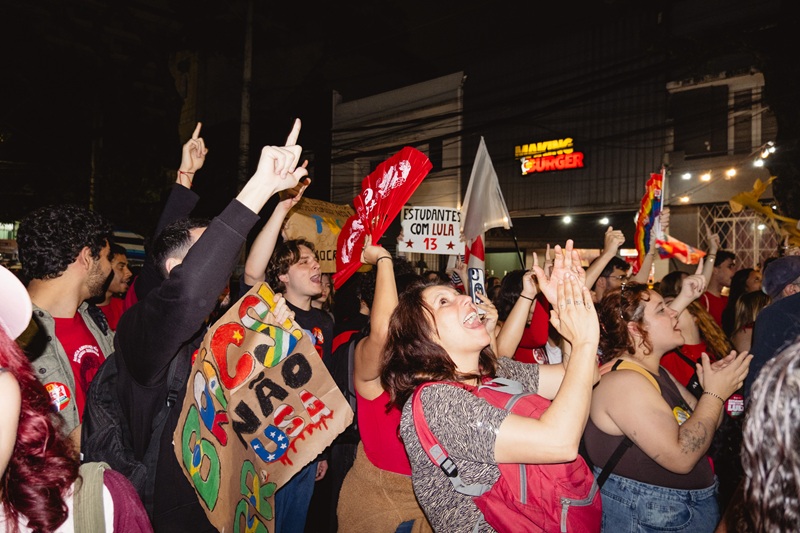
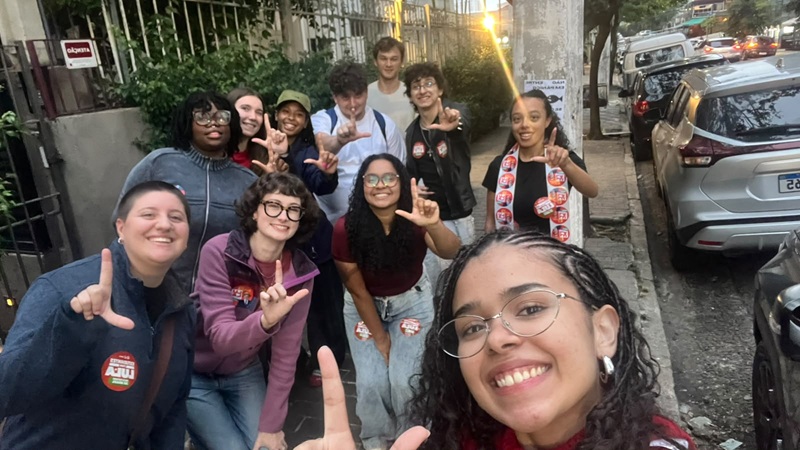
Image Caption: 13 signals support for Lula, as this is the number associated with the candidate on the ballot machines. Bolsonaro’s code is 22.
The week before the runoff elections, PUC students took to the streets with the student-organized PUC-SP Pela Democracia march. We marched from a nearby college campus to PUC’s famous TUCA theatre. It was very inspiring to watch students and professors come together for a common cause. We also garnered lots of support from onlookers who waved flags and banged on pots and pans from their apartment windows.
Once we got to the theatre, there was a bateria band playing, bringing even more liveliness. There were also a few elected officials in attendance such as Marina Silva, Minister of the Environment and Climate Change, and Sâmia Bomfim, a member of the Chamber of Deputies.
The Voting Process
October 4, 2026 and October 25, 2026
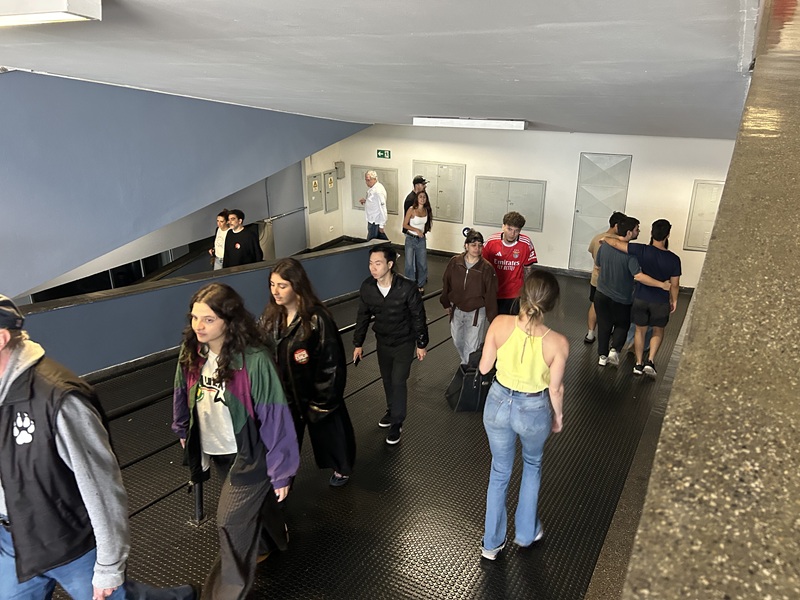
Our host university, PUC, is also used as a polling place. It is actually the largest in Brazil, serving over 17,000 voters! It was very interesting to see this part of the voting process up-close. Unlike in most U.S. states, Brazilian voters are allowed to wear political apparel, and they really showed up. I saw one woman wearing a red sequin shirt with a star on it, a symbol for the Workers’ Party.
Brazil also has a much faster voting system. They don’t have mail-in voting and have used electronic voting machines since 1996. Because of this, the results are available very quickly. This year, voting closed at 7pm and we had the results by 9:15pm
POLI 310: Brazilian Politics and Society
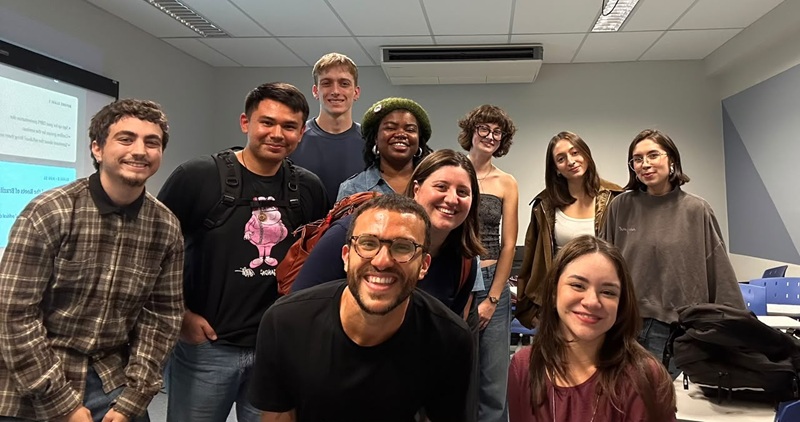
I would also like to show my gratitude and appreciation for my politics class. The course gives a general survey of Brazilian political organizations since the 1930s, ranging from coups, dictatorships, resignations, impeachments, new constitutions, and more. The class is open to students from CET and PUC. So, we are able to get valuable perspectives from both Brazilian and American students. Because of this, we have had some incredibly meaningful and relevant conversations. Our professor is very thorough and engaged, and I’ve had an all-around great experience with this course!
I have learned so much over the past few months from my classes and simply observing people at the marches and at PUC on election day. I have really come to realize the international impact of Brazilian politics, especially from an environmental perspective. I am also an arts student, so I don’t typically immerse myself in this type of environment. But I have really enjoyed learning so deeply about a country’s history and politics. I will definitely bring back even more of a passion for American politics as a result of this experience!