
Written by Aina Bandele, (George Washington University), Student Correspondent for CET Colombia, Fall 2026
CET Colombia has so much to offer alongside its specialized curriculum. The staff have carefully curated experiences throughout the semester that allow us to engage with our community in a meaningful way.
Volunteering with TECHO
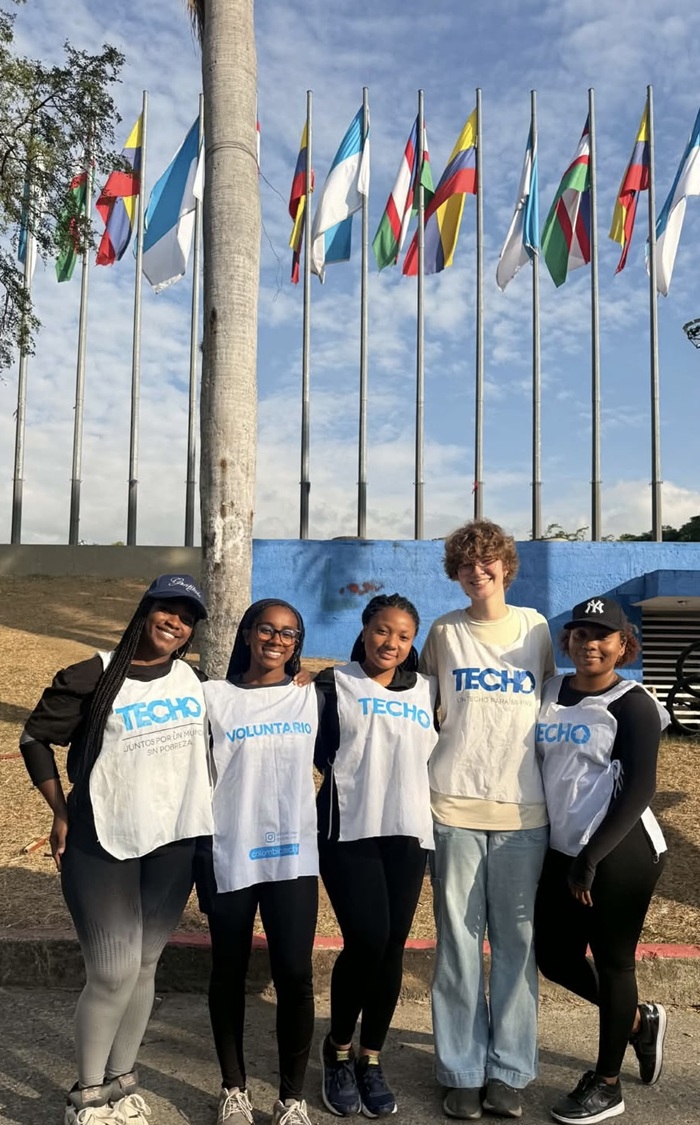
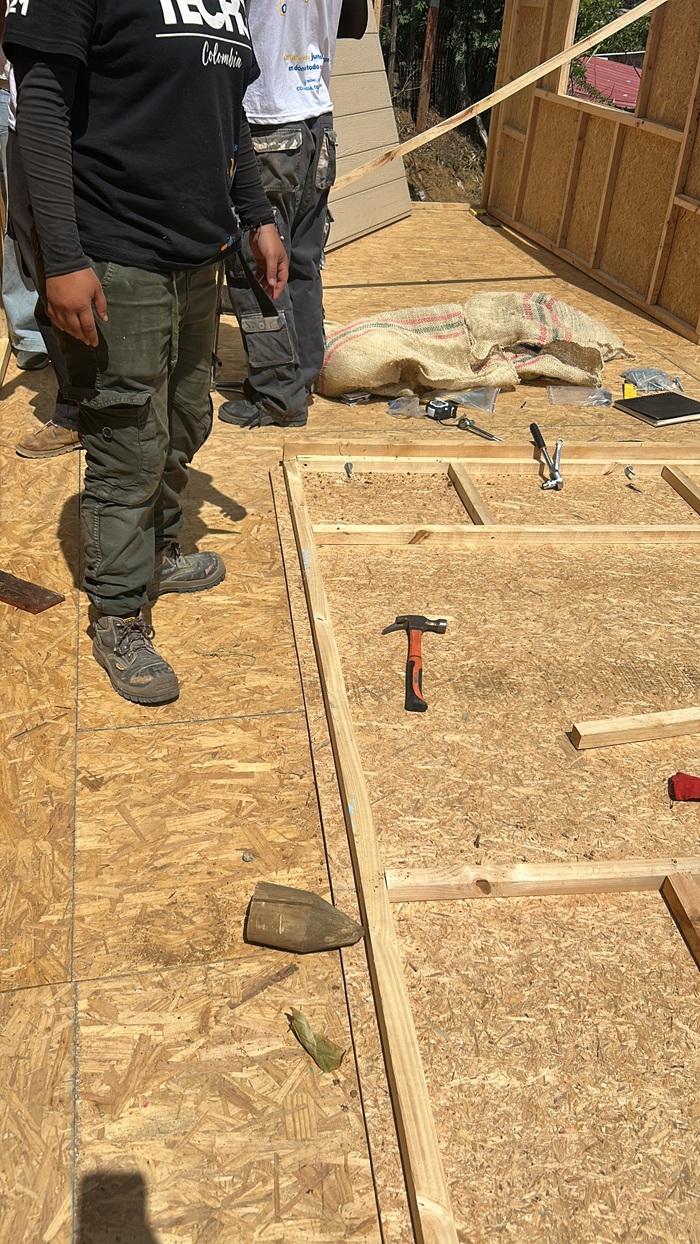
A couple weeks ago I received a message from my CET resident director informing us that we will be participating in a volunteering project. We were going to be constructing houses and bathrooms. Safe to say I was quite surprised and a bit apprehensive considering I have zero construction experience.
We joined a Latin American volunteering organization called TECHO. They are a youth-led non profit that is committed to building emergency housing and neighborhood infrastructure for communities across Latin America and the Caribbean.
We started our morning early around 6am and headed to our site for the day. My group built a house and a bathroom for a family that lives in a hillside neighborhood, as part of the post earthquake reconstruction campaign. Our team leads did a great job creating an inclusive environment. Everyone felt they could contribute meaningfully, even across differing levels of expertise. Despite my limited vocabulary for specific tools and my initial feelings of inexperience, they ensured I always had a clear task. They treated me as a valued member of the team.
As we worked during the day, the mom of the house kept a steady stream of refreshments coming our way along with a tasty and much needed lunch to keep us nourished. I definitely ended the day feeling exhausted. But, I learned so much about construction. I felt fulfilled that I was able to be part of such an invaluable initiative.
Talent Show: Amor y Amistad
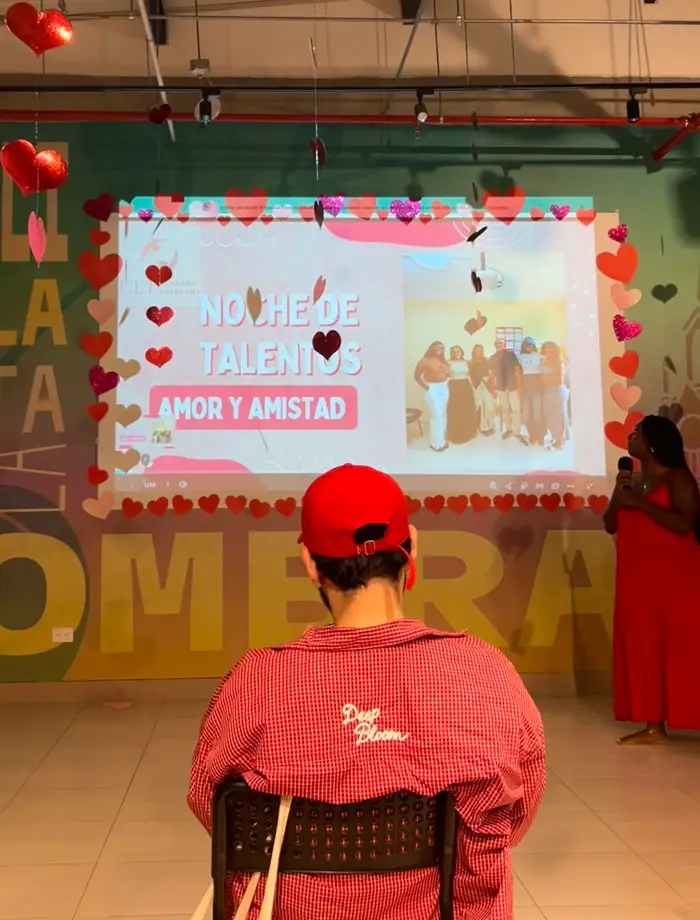
CET Colombia has a tradition of hosting a talent show. This semester, it took place during Colombia’s season of love. Decades ago, Colombia decided to change its Valentine’s Day from February to September. This was to make the winter holiday season less expensive for families. This national change also added the inclusion of friendship which allowed more people to be involved.
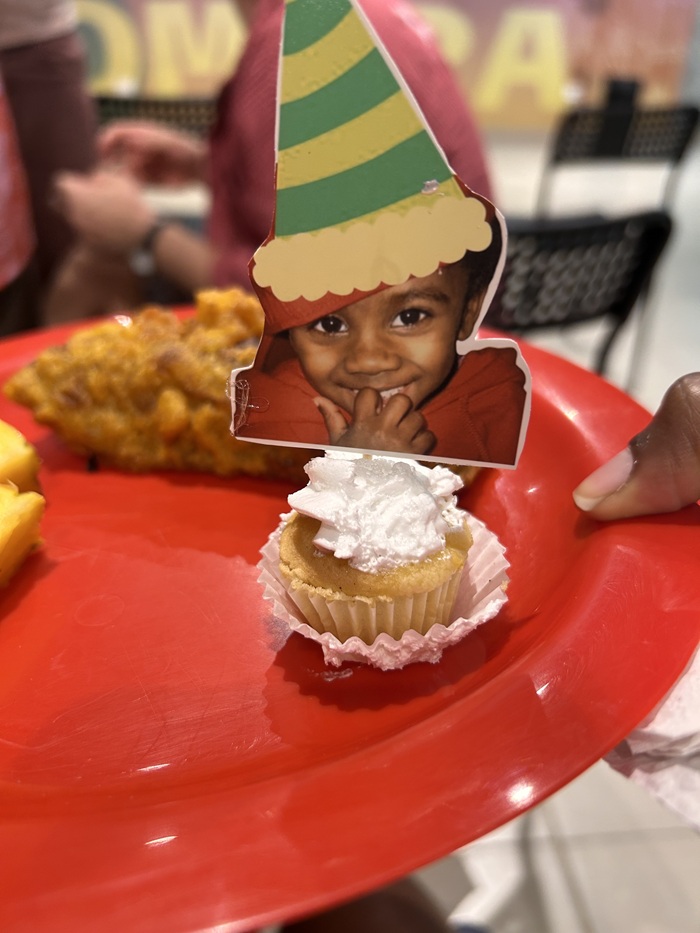
This event was put together by our local roommates. They organized an amigo secreto gift swap (similar to secret santa). They also printed out baby photos of us and the CET staff to decorate our cupcakes. The night was filled with yummy snacks from aborrajados to empanadas. There were many great talents this evening. There were some interactive ones included teaching us butterfly origami, region specific dances, and even a live drink making and taste testing experience.
My favorite act for the evening was a traditional Māori Poi that was presented with glow in the dark poi balls, it was such a cool hidden talent. We also had professional dancers perform Cali Salsa. This Friday night get together was a great way to start the weekend. I enjoyed the company and entertainment of our CET community.
Toxic Tours: Montebello
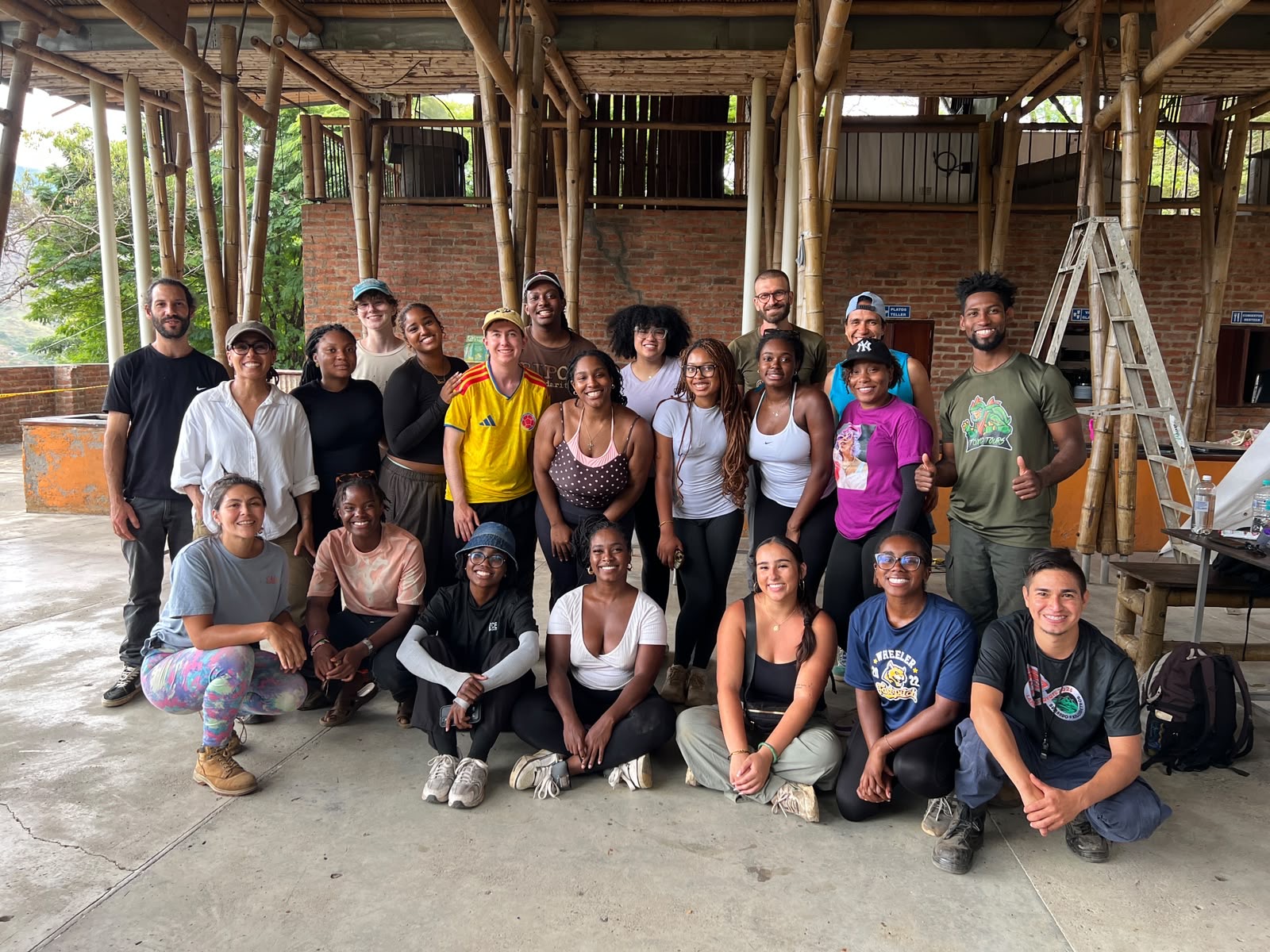
Another bright and early start to an eventful day with CET. This Saturday we were off to Montebello, one of Cali’s more densely populated rural districts. We were guided through a mountainous region by a community based environmentalist project called Toxic Tours. We walked about 25 minutes to a small homestead to have breakfast and learn more about their organization. After breakfast we headed to the Chocho river where we got the opportunity to swim. We all took turns standing under the waterfall. Some of us even jumped from above the waterfall into the swimming hole.
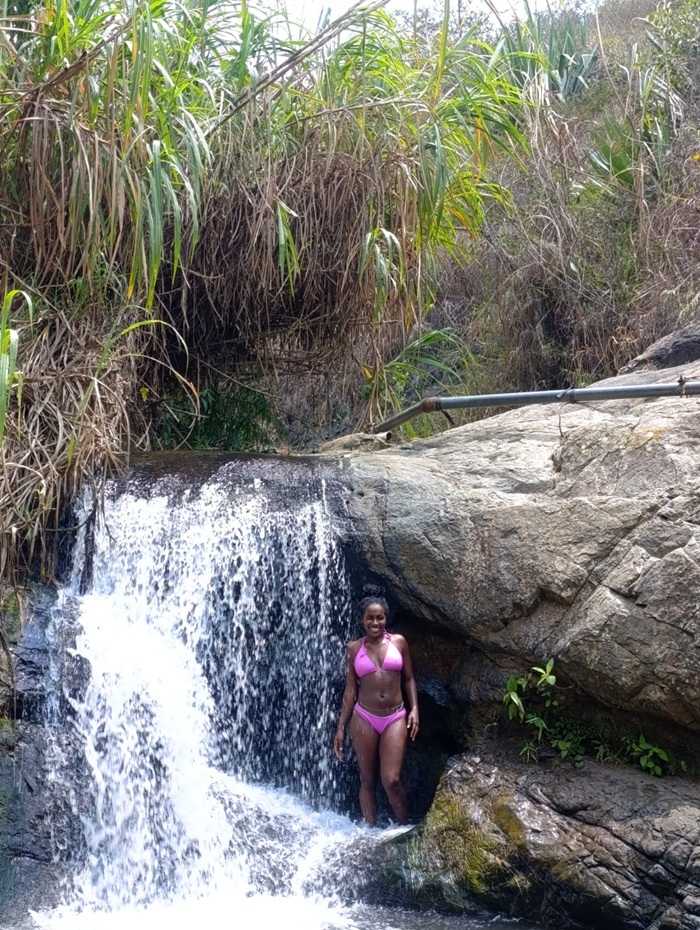
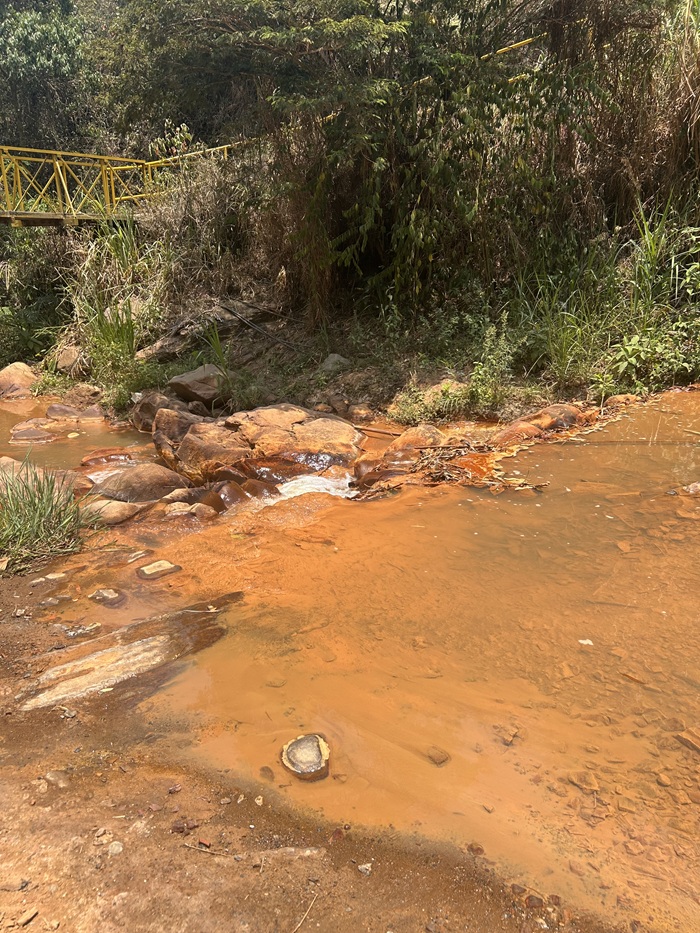
After our water adventures, we continued with the tour. We learned about the current ecological effects of an old coal mine in the mountain. Our Environmental Conflicts professor, Diego, designed the excursion to align with the concepts we were studying in class, making it an effective way to bring everything together. We stopped at a nearby ice cream vendor on our way to lunch and continued with mini lessons on the way.
Once lunch was over we met our instructors for our bamboo workshop. We learned about different species of bamboo native to Colombia , what they are more commonly used for, and how to cultivate them. The day ended with a deeper appreciation for how local communities are actively protecting their land and water while building sustainable livelihoods. Leaving Montebello, I felt both physically refreshed from the river. I was energized by the connections between our coursework and the realities on the ground.
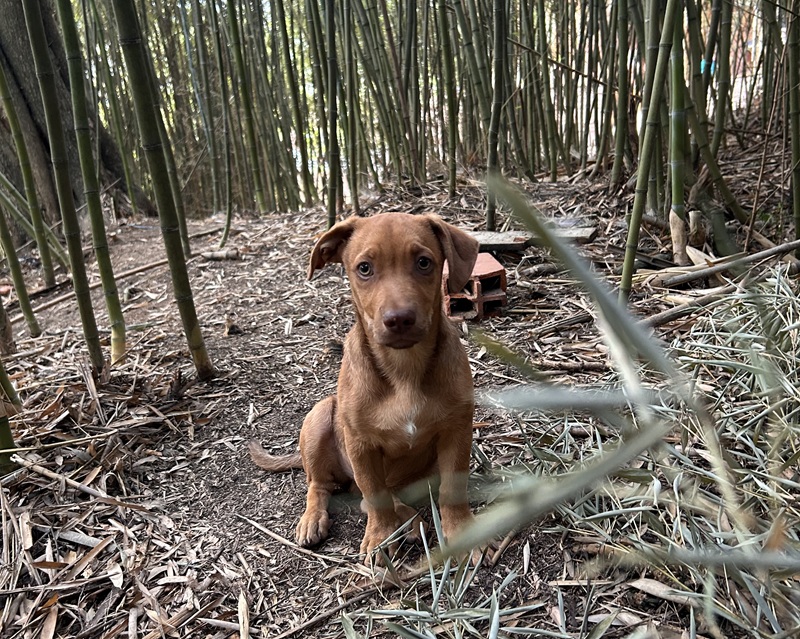
These experiences have been just as influential as my coursework. Together, they’ve strengthened my sense of belonging within the community and sharpened my awareness of sustainability in practice.