
Written by Victor Park (Yale University), Student Correspondent for CET Taiwan, Summer 2026
At Yale, I study Mathematics and Economics. However, I have always had a strong interest in education and in understanding how students learn differently. Because of this, I was excited when the CET Taiwan program gave me the opportunity to intern at Life in Life, an educational organization that creates emotional learning activities for young students.
Discovering a Different Kind of Classroom
Before beginning this internship, I thought education mainly happened through textbooks, lectures, and school assignments. However, my experience at Life in Life showed me that children can also learn through stories, conversations, art, and small interactions with one another. During each event, I assisted the teachers, observed the students, and sometimes participated directly in the activities. Although my Chinese was limited, I gradually learned how to communicate with the students through simple words, facial expressions, demonstrations, and patience.
Learning About Emotions Through Stories and Skits
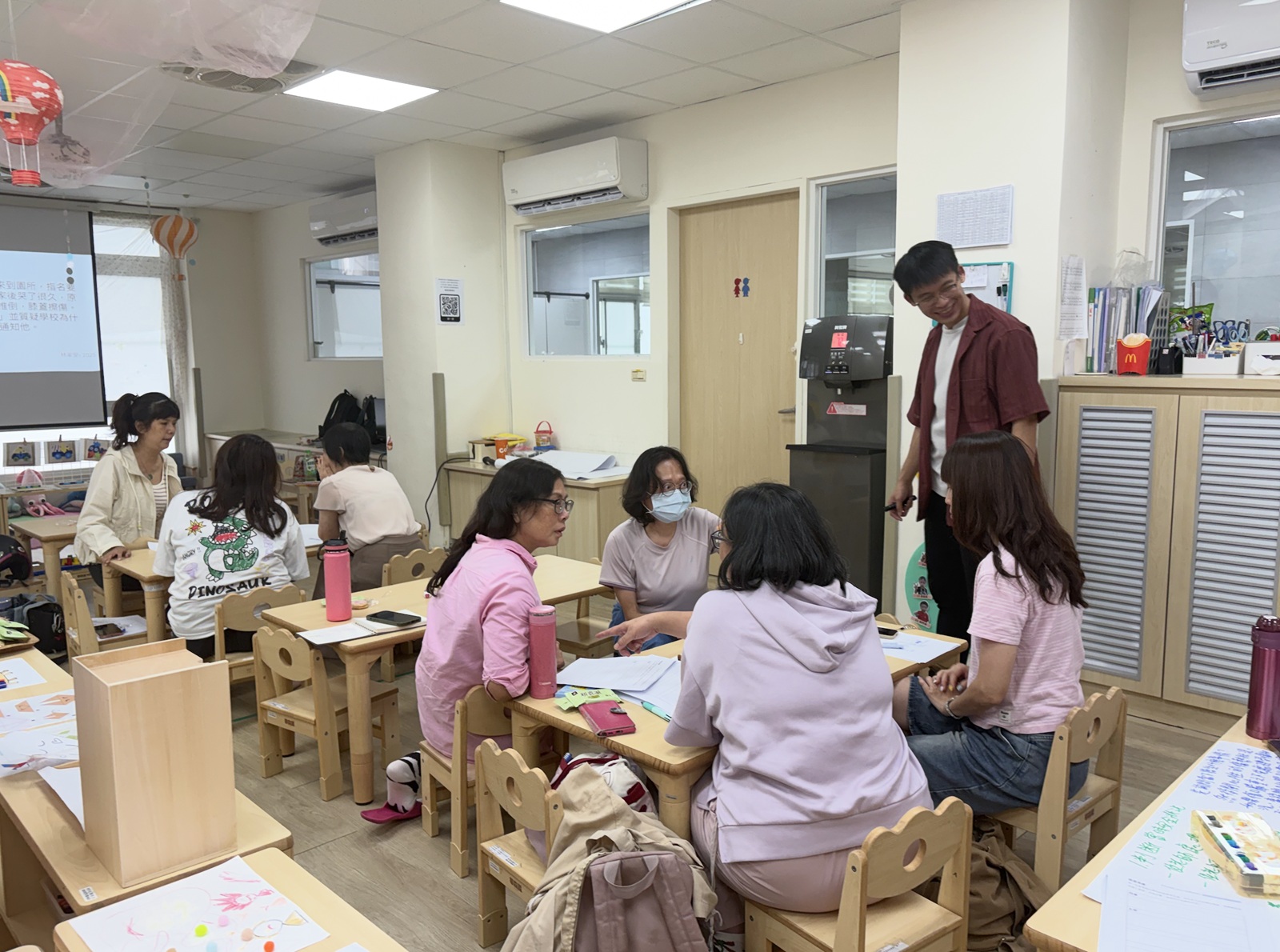
One of the most memorable events was an emotional learning class for elementary school students. During the class, students watched several short videos and participated in small skits. The purpose of these activities was to help them think about how they should react when they face an uncomfortable or emotionally difficult situation.
Instead of simply telling the students what the correct response was, the teacher encouraged them to imagine themselves in each situation. The students discussed how the characters in the videos might feel and what they could do differently. Some students immediately raised their hands and shared their ideas, while others needed more time before speaking. Watching the class made me realize that emotional education is not about giving students one correct answer. It is about creating a safe space where they can recognize their emotions and listen to the experiences of others.
When Communication Goes Beyond Language
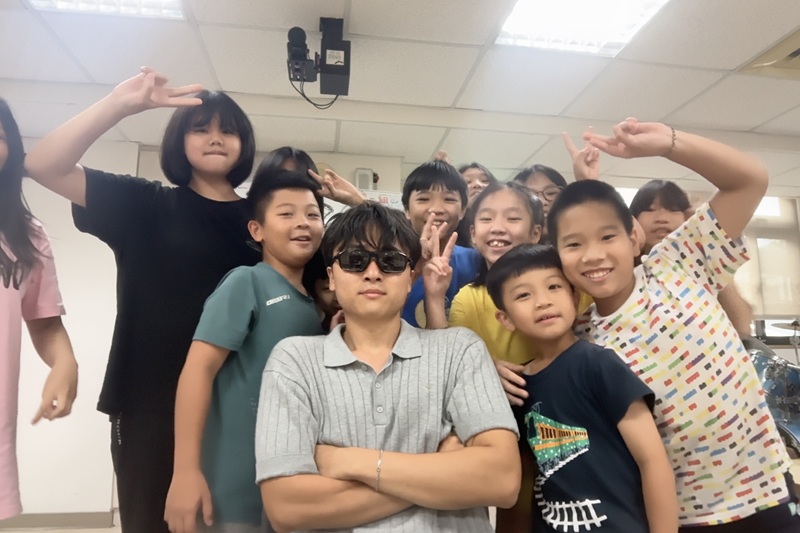
During the break, the students became curious about me and began asking many questions about my life in the United States. They wanted to know about the American school system, the classes students take, and the differences between schools in the United States and Taiwan. At first, I was worried that my Chinese would not be good enough to answer all their questions. However, the students were patient with me, and I tried to explain my answers using simple Chinese and gestures.
The conversation was not perfect, but that made it more memorable. Sometimes I could not remember the exact Chinese word, so I had to find another way to explain my idea. The students also helped me when I struggled. Through this interaction, I realized that communication does not always require perfect language skills. Being willing to listen, respond, and continue trying can sometimes be more important.
Supporting Students by Understanding Their Experiences
Another event was designed for teachers and focused on recognizing when students may be experiencing a difficult time. During the event, the teachers discussed how a student’s behavior might show emotions that the student cannot clearly express. A student who is unusually quiet, distracted, or frustrated may not simply be refusing to participate. The student may be dealing with a problem that the teacher cannot immediately see.
I had an opportunity to give a short talk about my own educational experience in the United States. Speaking in front of the group was challenging because I had to explain a personal and complicated experience with limited Chinese. I could not express every detail exactly as I would have in English, but I focused on clearly communicating the main idea.
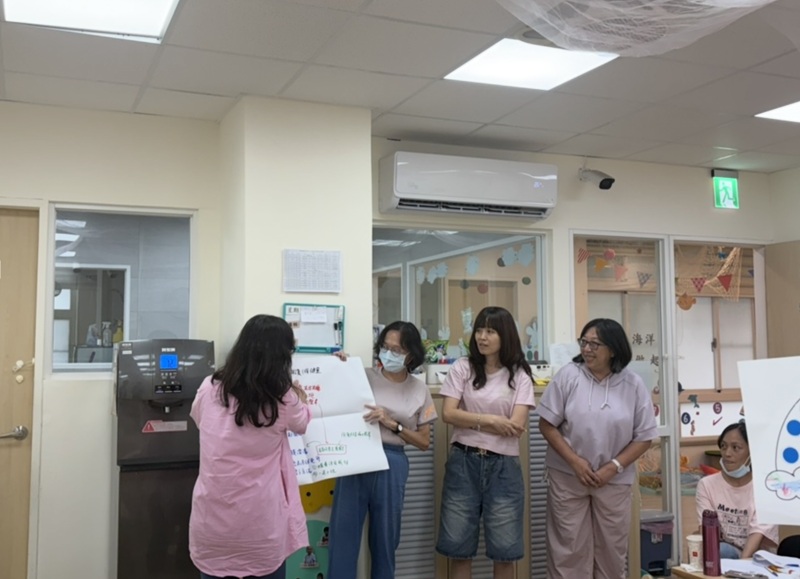
I shared that students can face difficulties for many different reasons and that teachers may not always understand those reasons at first. From my own experiences studying in different environments, I learned that students sometimes need time, patience, and someone who is willing to ask what they are going through.
This moment was meaningful because I was not only observing the event as an intern. I was contributing my own perspective. Even though my Chinese was not fluent, the experience gave me more confidence. It showed me that I could still share something valuable while learning how to communicate across a language barrier.
Patience, Creativity, and Clay Cactuses
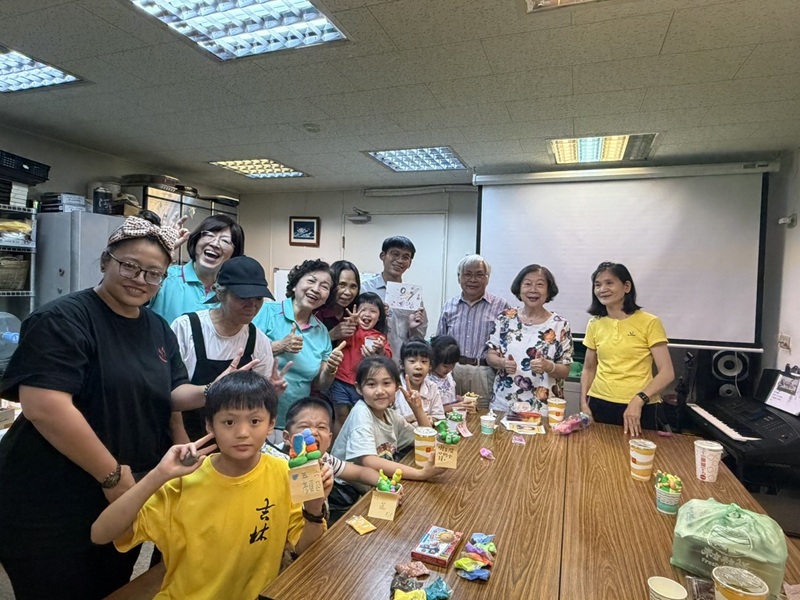
The final event was a psychological and emotional learning activity for kindergarten students. In this class, the students used colorful clay to make small cactuses. At first, the activity looked like a simple art project. However, I soon understood that the purpose was not only to create something. The activity gave students a comfortable way to express themselves, interact with others, and practice sharing.
I helped demonstrate how to use the clay and supported the children while they worked on their projects. Because the students were very young, long explanations were not always effective. I had to show each step slowly and help them one at a time. Some students immediately began creating their cactuses, while others needed more encouragement before starting.
Working with the kindergarten students taught me the importance of paying attention to each child individually. Every student had a different personality and worked at a different pace. Some were excited to talk, while others communicated more quietly through their actions. I learned that helping young children often requires patience and observation rather than giving many instructions.
One of my favorite parts of the event was seeing how proud the students became after completing their projects. The clay cactuses were all different, but each student was excited to share what they had made. Their reactions reminded me that even a small activity can become meaningful when students feel that their ideas and work are valued.
Rethinking What Education Can Be
My internship at Life in Life has been different from a traditional office internship. There is no typical day of sitting at a desk and completing the same type of task. Each event brings a different group of students, a different lesson, and a new challenge. Sometimes I help prepare materials, sometimes I observe the students, and sometimes I communicate directly with them.
Through Life in Life, I have seen that education is not only about academic achievement. It is also about helping students understand their emotions, communicate with others, and feel comfortable being themselves. The smiles and curiosity of the students made each event meaningful to me. This experience has encouraged me to continue exploring the field of education and to think more deeply about how different learning environments can support every student.