
Written by Emma Chongo (Haverford College), Student Correspondent for CET Shanghai, Spring 2026
Why study abroad somewhere in Europe when you could study abroad in China? I keep hearing different versions of this question around me. When my friends post images and share stories on their Instagram about their adventures in Rome, Barcelona, or Denmark certainly leave an impression on me; a twinge of fear of missing out (FOMO), yet I contend that studying abroad in China surpasses most other places.
When I was determining where to study abroad, going to Europe seemed alluring in an infectious sort of way. Not only were most of my friends going there, but as someone who is half Romanian and lucky to already speak Spanish and Romanian fluently along with some basic German, going to Europe seemed like it would be especially comforting. Even though I have been learning Mandarin for most of my life (since I was three), going to China for four months was intimidating to say the least.
Prior to leaving for China, uncertainty followed me like a cloud. When I was walking my dog, or applying for my visa, thoughts my personal safety in China, censorship, culture shock, and the language barrier would arise. Particularly after my summer Internship in Indonesia where I lived in a rural area for two months, I was nervous about traveling so far from home again. In Indonesia, I experienced a high degree of culture shock and uncertainty. On the one hand I grew immensely, although in quite a few ways, I bit on more than I could chew.
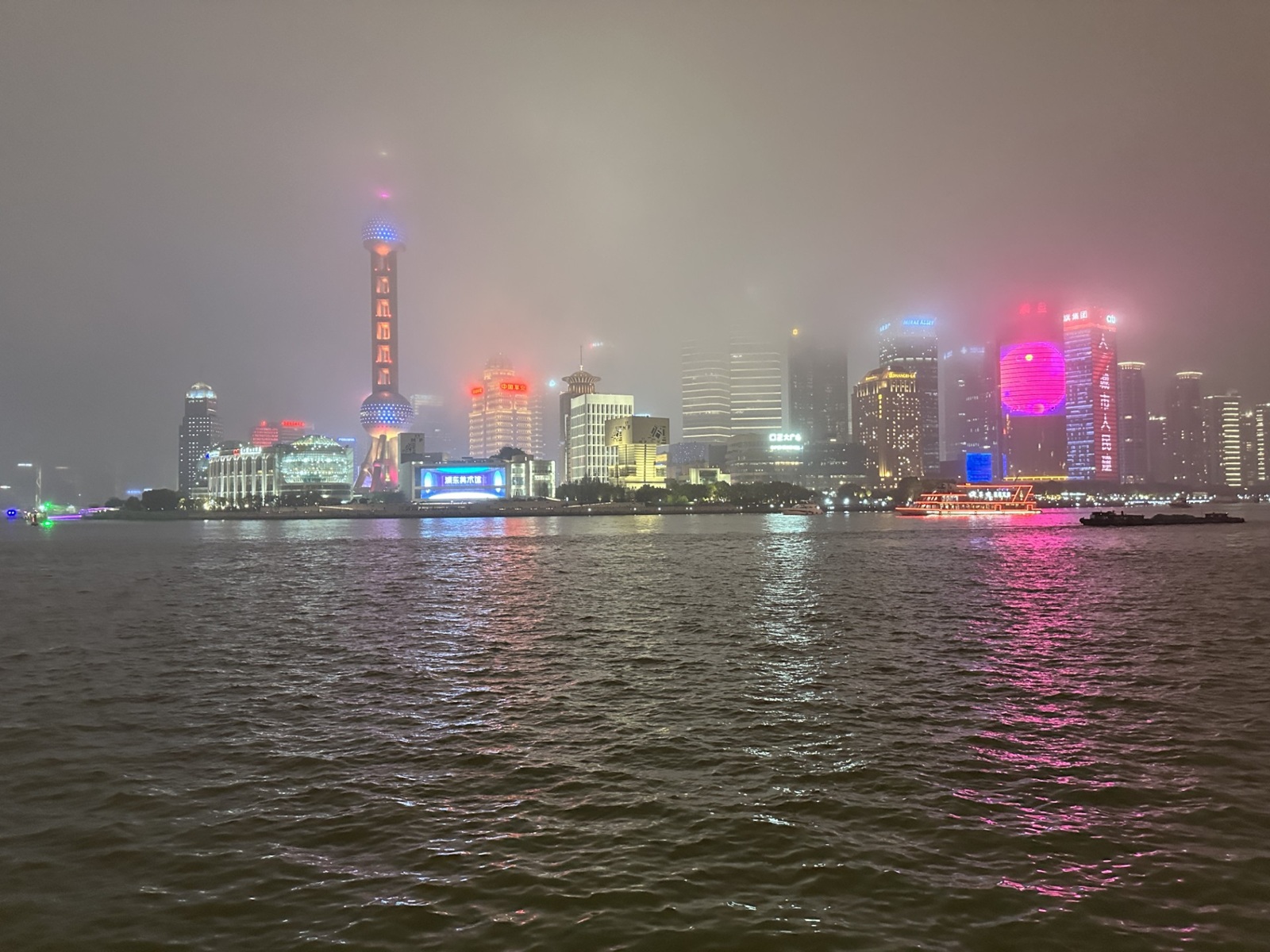
However, my time in China has been entirely different from my time in Indonesia. The academics here are so challenging, the people very welcoming (not just nice, but also kind), and the food has been so delicious. I have even started to form a community for myself. I know that I made the best choice for me. I am approaching my life here with open eyes, an open heart, and wonder, leading me to have some incredible experiences and stories.
Although studying abroad in China has become increasingly popular in recent decades, partly since Chinese is such a difficult language to learn, particularly for Westerners, very few people elect to do it. When I return to the States, I will encourage as many people as I can to study abroad. I chose to study abroad in China precisely because I welcome the challenge and seek adventure. I have certainly experienced quite a few challenges (namely balancing academic work with extracurricular engagement), yet I feel very supported here.
In the United States, protectionism and nationalism increasingly the norm in the realm of politics alongside aggressive hard power tactics like militarization in Iran, Venezuela. In my eyes, it is now particularly crucial for more people study abroad, not only should people go to Europe, but they should also go to China, the world’s second-largest economy.
One day in China feels equivalent to three or four days in the U.S. in terms of the amount of self-knowledge I am acquiring on a day-to-day basis. Each day brings more nuance to my understanding of Chinese culture and lifestyle. The biases I brought with me to China, the things I have been taught in the news, are different than my daily experience here. I am building many relationships with locals, not just people in my age group, but also younger and older generations.
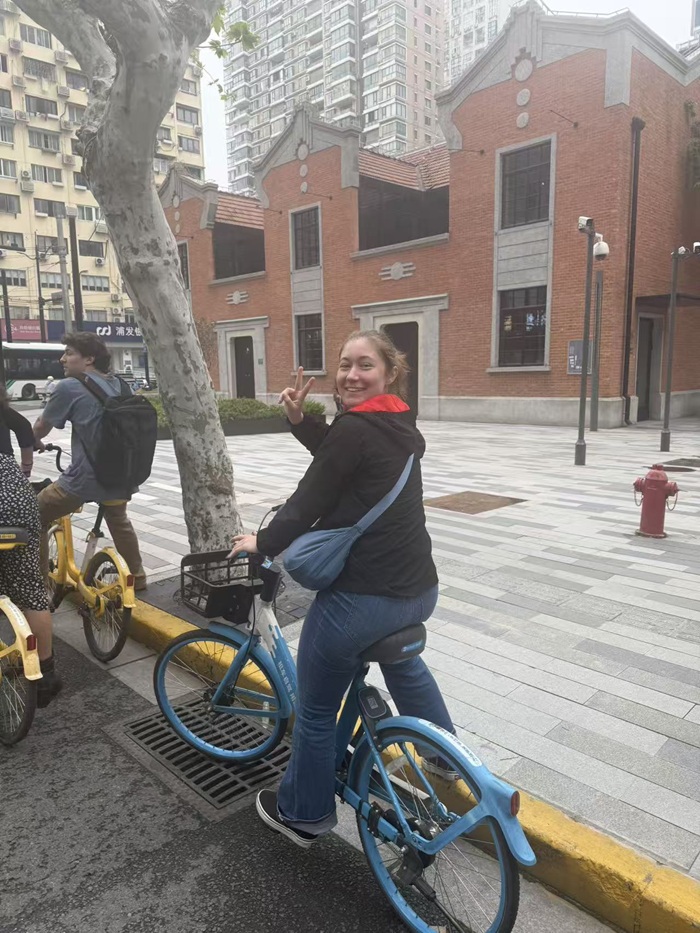
Another facet of my experience here has been getting to know myself better. This is because study abroad acts both as a mirror and a window:
Mirror: You can see how others live and reflect on yourself.
Window: You can consider a culture that you are not a part of, or born into, from a more top-down approach.
Here are some of the highlights of what I have learned:
- Although China has highly developed metropolitan cities and infrastructure (particularly in Beijing, Shanghai, Shenzhen, etc.), it still sees itself as a developing, even underdeveloped country.
- Chinese people have a deep respect for ancestry, history, and the past; more so than most Western countries (like the U.S., which only has a 200-ought year history).
- Third, Shanghai is unique among cities in China due to the presence of foreign influence. What once was a fishing village becoming the city with the largest portion the planet. Shanghai is China, yet it is its unique characteristics, particularly how it blends ancient Chinese cultural traditions (Confucianism, Daoism) with more modern/western values and practices.
- The place where I am currently interning embodies this phenomenon quite clearly. On the one hand, the Shanghai Academy of Social Sciences (SASS) is of the most influential and successful of its kind in China, yet its work culture has less traditional characteristics (less formal dress, 2/3 or the employees in the research institute branch of SASS are women).
I have been asking myself: as a traveler is it better to try to adopt/adapt to local culture or to maintain my own western culture? Should I prioritize spending time with local Chinese people, or prioritize spending time with my fellow American study abroad students? What are the assumptions do I have made about China before and where do they fall short?