
Thinking about planning a short-term faculty-led program or even an academic-year experience? We can help create customized programs designed to meet your institution’s unique goals and needs. Hear from one of our partners below, and learn more about CET Custom Programs here.
Program Snapshot
Program Name: Pacific Rim Study Abroad Program
Destinations: Mainland China (Xi’an, Beijing, Shanghai) & Taiwan (Taipei with trips to Tainan and Cinsbu)
Partner Institution: University of Puget Sound
Featured Staff Member and Title: Emily Pilato, International Programs Coordinator/PacRim Coordinator
Years Working with CET: 1–2 years
About the Program
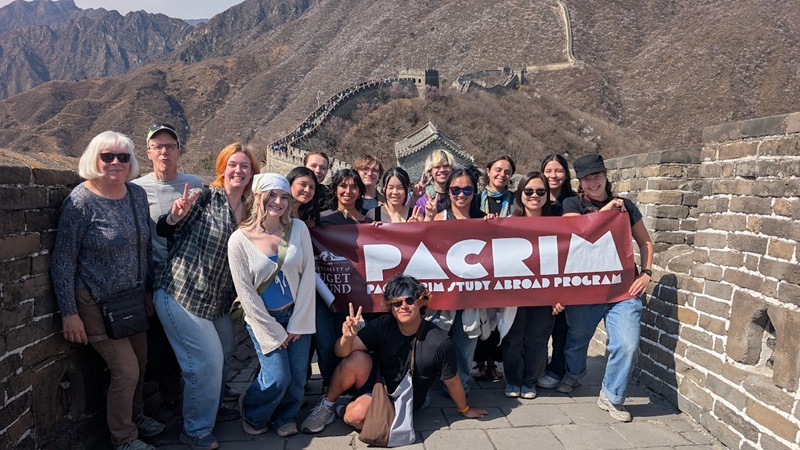
Led by PacRim Director Karl Fields, PG 379: Politics of National Identity in Greater China is a course that explores identity, ethnicity, and nationalism in the context of globalization, localization, and nativism in the 21st century. Through our partnership, students got to examine how national identity has emerged and evolved across Greater China while visiting important cultural and heritage sites throughout Mainland China and Taiwan.
What are the most rewarding aspects of offering a study abroad program to your students?
- Experiential learning outside of the classroom asks students not just to study and show up but to witness and engage with the world around them that will prepare them for success.
- Recieving a history lesson in the morning then exploring the actual site, museum, or memorial in the afternoon is the ultimate “Magic Schoolbus” way to get students excited and engaged in learning!
- Getting to meet people they wouldn’t have otherwise met in a new country (CET staff, local students, community members, activists, etc.) builds confidence and helps students develop gratefulness for others. By meeting people, the “other” becomes more familiar and relatable. Topics of “far away” issues matter more. Students develop empathy having being taken out of their comfort zone and being faced with a new day-to-day existence in a new country.
What 3 tips would you share with a first-time study abroad faculty leader?
- Give students time to explore each place you visit. One or two locations well-explored can have a more lasting impact than three or more rushed. It’s all about giving students time and space to make some discoveries on their own.
- Trust your local coordinators! They know their cities well, and if there is an activity or logistic to prepare, they’re your best local expert for up-to-date information and how to accomplish your program goals.
- Peer programs are the best! CET takes their onboarding and vetting of student peers, roommates, and guides really seriously. It adds a level of comfort for myself as a coordinator to know a high standard is being set and that CET shares my goals for safety when planning local cultural activities.
What are the top things you’d recommend in designing an impactful program and learning experience?
- Faculty and staff (or local CET leadership) should build in reflection to help students notice, share, and reflect on their experience. An unobserved trip is a forgotten trip! Journaling or small group discussions as a part of a class or program helped my students notice more about their new surroundings instead of seeking familiarity or “checking out” once the field trips or class time is done.
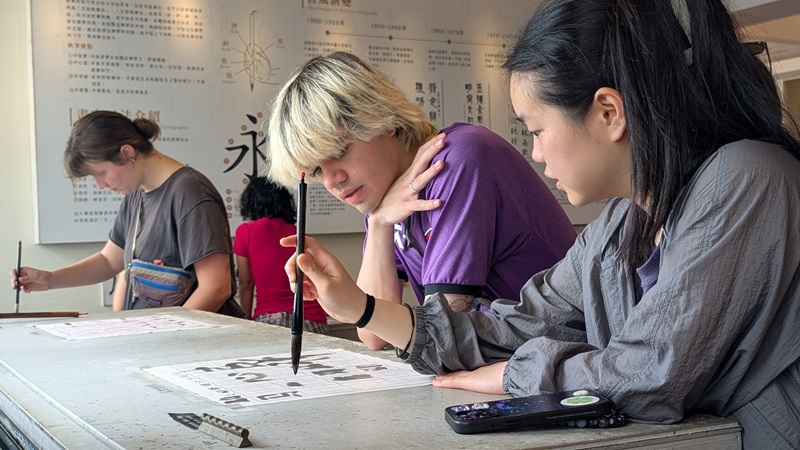
- Encourage students to learn basics of the local language. Give them tools to do so (a guide of common words; a “crash course class” via CET or program faculty; or center a guest speaker or activity in the language itself, such as watching an immersive play in Mandarin or learning a children’s singing lesson with a local music teacher).
Why do you find it helpful to partner with an organization like CET for your study abroad program?
- Lessens the burden/need for university staff
- Provides organized insight on the US side. Clear expectations with little guesswork.
- Provides local experts with updated ideas, information, and ability to fulfill the planned program.
Which aspect of your program do you think makes it the most unique or interesting? What made the study abroad location a good fit for your course?
This course was very specific to Chinese identity, be it ethnic, national, cultural, linguistically, etc. These are two perfect locations to ask the question “How does a country define or distinguish itself?”
All photo credits to Molly Mecham and Sandra Ly