
Your guide to one of Colombia’s most vibrant cultural festivals—dive into music, culture, and celebration of Cali
Every August, the rhythm of Colombia’s Pacific coast takes over the city of Cali. The Petronio Álvarez Pacific Music Festival (Festival de Música del Pacífico Petronio Álvarez) is one of the country’s most beloved cultural celebrations, honoring the music, traditions, and Afro-descendant heritage of the Colombian Pacific.
Founded in 1997 to pay tribute to composer Petronio Álvarez, the festival spotlights traditional genres such as currulao, chirimía, bunde, and abozao. Beyond the performances, there are traditional dances, regional cuisine, and handcrafted goods that reflect the diversity of the Pacific region.
Over the years, it has grown into an international gathering that draws artists and visitors, eager to experience the vibrant spirit of Colombia’s Pacific coast. We’ll take you “inside” the festival and share what to expect—so you can step into the rhythm and heart of this unforgettable celebration!
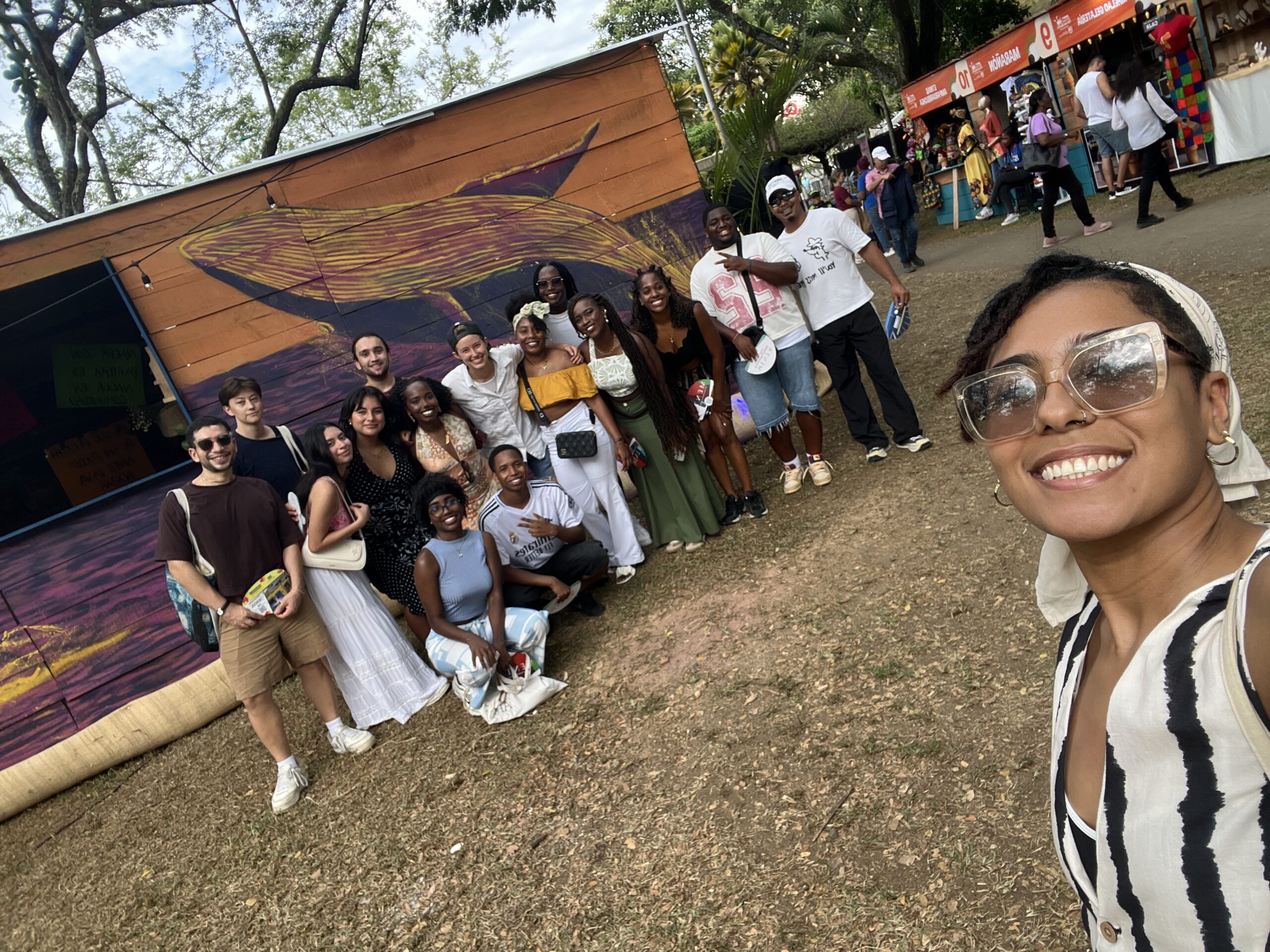
When and where is the festival?
The Petronio Álvarez Pacific Music Festival is typically held each August at the Ciudadela Petronio Álvarez in Cali. The celebration spans five to six days. It is usually around the third weekend of the month, with events running from afternoon into late night.
When should I arrive?
To make the most of your experience, plan to arrive in the mid-afternoon and stay into the evening. You don’t need tickets to attend the festival—it’s free. In order to find out the schedule, you will need to check Instagram, where the different events will be posted.
Afternoon (2:00–5:00 PM): The best time to beat the largest crowds. Explore the food stalls, browse artisan crafts and fashion exhibitions.
Evening (6:00 PM and into the night): Concerts begin and the energy builds quickly. The venue becomes more crowded, and many of the most anticipated performances take place at night.
Best days to attend: While every day offers something special, weekend nights are typically the liveliest and the most packed.
What do people wear?
There’s no dress code! Just come ready for the heat, music, and dancing. Wear comfortable shoes that allow you to stand for long periods, light clothing because of the heat, and a small bag with a zipper that you can keep with you. Also, be prepared to have no signal while you are inside the festival grounds.
Many people also buy a traditional white handkerchief from local vendors and wave it along with the crowd during performances. In Pacific-Colombian performances, a white handkerchief is a classic accessory, gracefully incorporated into the choreography as part of the dancers’ costume. It symbolizes cultural identity and the rich Afro-Colombian heritage of the region.
Should I bring anything?
- Bring cash, as there are no nearby ATMs and many vendors do not accept cards.
- Keep personal belongings secure. Remember the local phrase no des papaya—a common saying that encourages staying alert and practicing street smarts in crowded spaces.
- Be sure to pack water and sunscreen.
What to try at the Petronio Álvarez Pacific Music Festival?
The festival features more than 150 stands, including rows of artisan vendors, a large pavilion dedicated to Pacific cuisine, and a special space highlighting viche and other traditional sugarcane-based drinks. Here’s what not to miss:
- Atollado: A rich, stewed rice dish with meat, fish, and vegetables typical of the Valle del Cauca region
- Papas rellenas: Crispy balls of mashed potato stuffed with fish or meat and deep-fried to perfection
- Agua de panela and guarapo: Refreshing sugarcane-based drinks
What do CET students have to say about this festival?
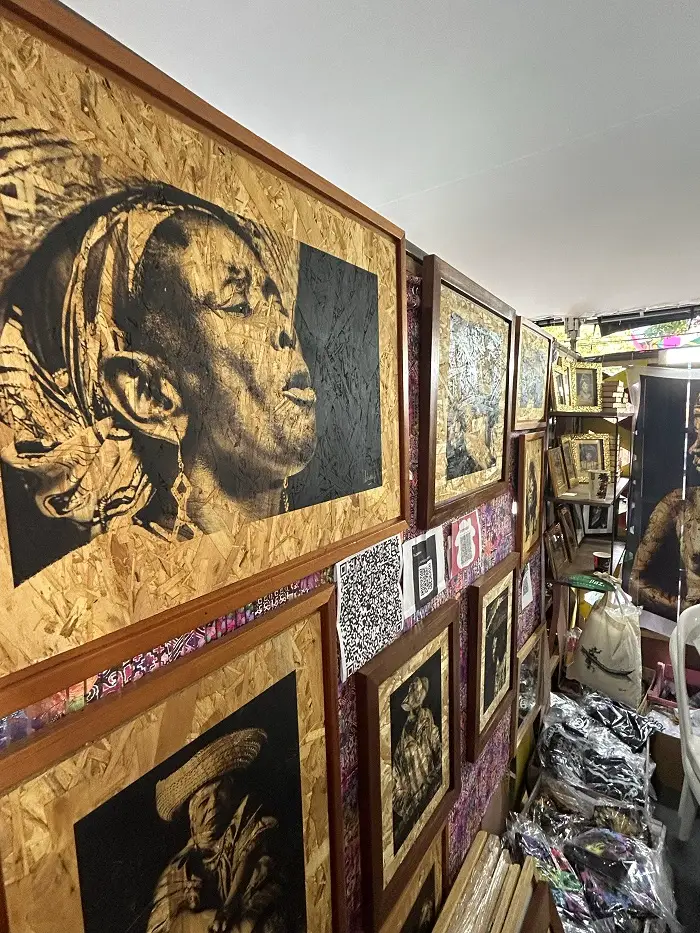
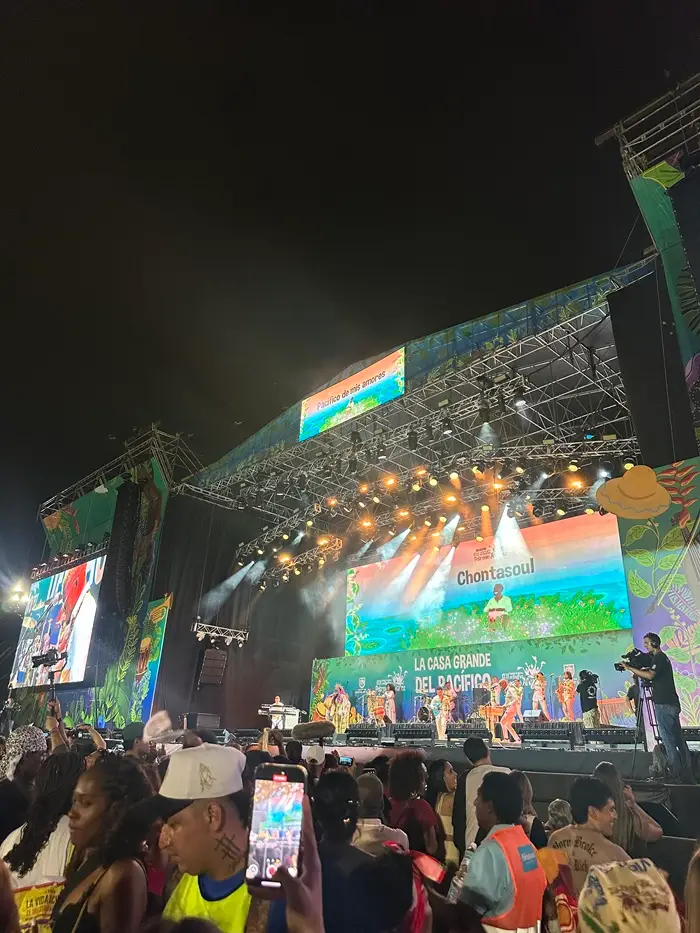
“In the states, I had been to festivals similar, mainly those curated to show appreciation for black culture and allow space for black creators and entrepreneurs to come together. So while being in this space was nothing new, it still felt so different. Everyone was so lively and happy and genuinely just having a great time. I danced until my feet hurt and cheered until I lost my voice!
The food was incredible and the vendors were nothing short of talented. They braided hair, sold custom art pieces, and had performances everywhere! It was truly an amazing experience to see how people come together to celebrate culture and ancestry. The last picture I took was of my roommate, so safe to say me, my roommates, and her friends had so much fun!”
– Jada Jackson, Howard University, see full blog here
“I attended twice—once with CET and again on the final day—and both times I was struck by the energy. People from all over Cali and the Pacific came together to celebrate their history and identity. As I continue learning about Colombia’s rich and complex history, Petronio Álvarez gave me a deeper, more personal connection to Afro-Colombian culture.”
– Magdalena Poling, Carleton College, see full blog here
What do CET staff have to say about this festival?
“As CET staff, we see the festival as a powerful space for community gathering, where Colombia’s Pacific region comes together to celebrate generations of resistance. For us, it is a place where communities build and share their own narratives, while making visible a region that continues to face many social and political challenges. We understand the festival as a space to reconnect, celebrate culture, learn, and support local entrepreneurs and small businesses.
For our students, it is an opportunity to bring classroom learning to life. Here, they can better understand how race and identity are shaped through cultural symbols, and how these elements influence what is understood as Afro-Colombian identity, Blackness, and race in Colombia.”
Luisa Fernanda Riascos Gamboa, CET Colombia Resident Director
Are you interested in learning about Colombia through its culture, people, and language? Spend a semester living in Cali—especially in the fall, when you can attend the iconic Petronio Álvarez Pacific Music Festival. Studying with CET Colombia means strengthening your Spanish, connecting with local communities, and immersing yourself in Afro-Pacific culture in one of Colombia’s most vibrant cities.